
The holiday season marks the most lucrative and visually noisy period on the marketing calendar. Brand designers must annually capture the urgency and magic of the festive season without sacrificing core brand recognition or falling back on tired clichés.
- 1. Human Touch and Deliberate Imperfection
- 2. Adaptive, Brand-First Palettes
- 3. Neo-Minimalism vs Nostalgic Maximalism
- 4. Modular and Motion-First Identity Systems
- 5. Interactive and Gamified Brand Touchpoints
- 6. Hyper-Localized and Culturally Nuanced Storytelling
- 7. Sustainable Unboxing and Keepsake Packaging
- Grant Your Holiday Marketing Wishlist With DMP
Generic snowflakes and predictable red-and-green palettes are becoming less effective at capturing audience attention. Today’s consumers are bombarded with seasonal promotions across platforms, so brands must move beyond surface-level decorating to more immersive, strategic visual storytelling.
If your company is to build a seasonal campaign from scratch, here are the most impactful festive branding trends every designer should consider now:
1. Human Touch and Deliberate Imperfection
Consumers are becoming less receptive to AI-generated marketing visuals, with 78% of consumers saying AI ads are ‘cringey’ and inauthentic. Because AI visuals are flooding nearly every possible channel, consumers are gravitating toward designs that feel genuinely human.
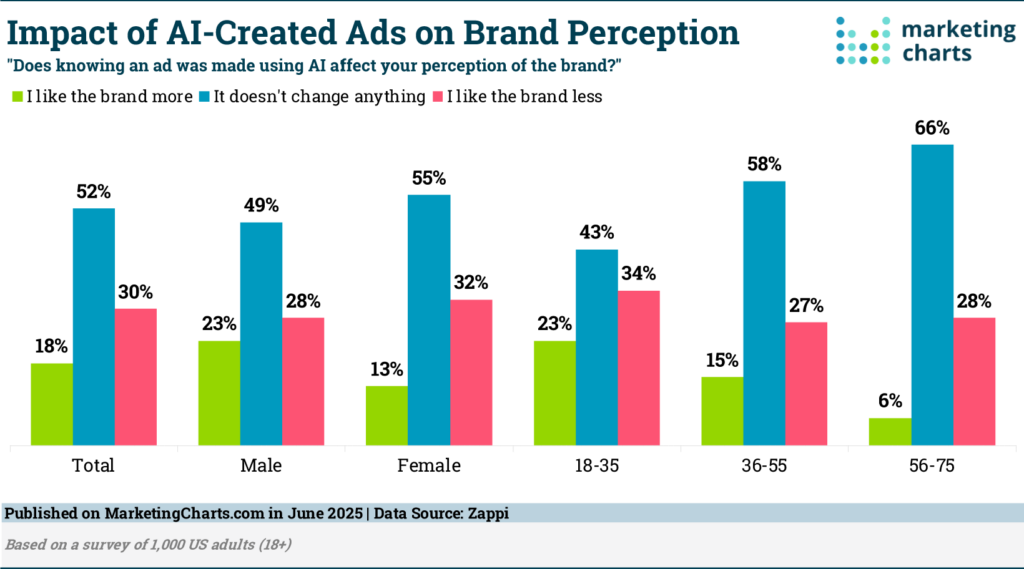
Image from Marketing Charts
Instead of relying on AI to quickly produce holiday brand visuals, your designers should create more tactile craft to stand out in seasonal branding. These designs are defined by the following characteristics:
- Analog Textures – Scanned paper grain, embossed cardstock effects, stitched fabric motifs, and ink bleeds that add warmth and tactile quality to digital designs.
- Hand-Drawn Illustrations – Whimsical doodles, folk-art patterns, and linocut-style stamps from real human artists that evoke nostalgia and artisanal care.
- Imperfect Typography – Custom lettering with subtle irregularities that make packaging and social media assets feel personal, much like a handwritten gift tag.
2. Adaptive, Brand-First Palettes
Normally, designers would abandon their company’s established color guidelines in favor of the usual holiday palette of bright crimson, forest green, and metallic gold. While those traditional shades evoke a classic, nostalgic feeling, they make the brand look lazy and generic.
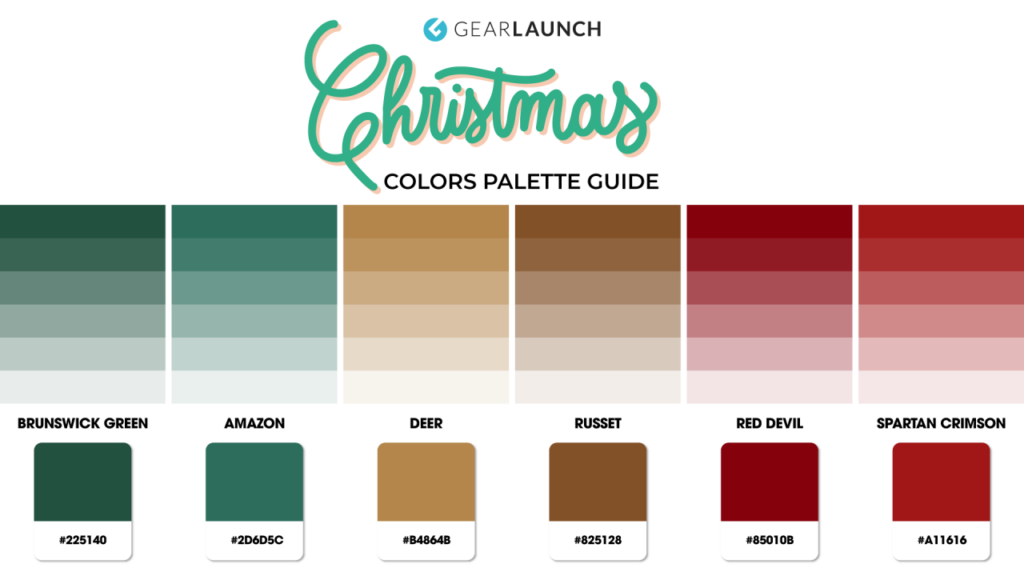
Image from LinkedIn
Instead of overhauling your entire seasonal visual identity with default colors, the modern approach integrates festive accents into the existing palette. Several alternative color combinations offer a fresh take on traditional holiday schemes:
- Earthy and Muted Palettes – These color combinations offer a grounded, sophisticated take on winter warmth. Shades include sage green, terracotta, warm taupe, and dusty rose.
- Jewel and Pastel Tones – This palette brings a fresh, editorial feel to beauty, fashion, and lifestyle campaigns. Shades include deep plum, frosty periwinkle, and soft lilac.
- Tonal Metallics – For a sleeker, more modern finish, you can experiment with brushed champagne, copper, and holographic foils to replace the standard yellow gold.
The key here is to make brand colors dominant while letting seasonal tones act as supporting accents. Maintaining this strategy ensures customers recognize your brand quickly while scrolling.
3. Neo-Minimalism vs Nostalgic Maximalism
When it comes to overall layout and composition, 2026 holiday brand design trends split into two distinct, high-performing directions: neo-minimalism and maximalism. An experienced logo maker in the Philippines can help you choose which visual style best aligns with your brand’s personality and price point:
Neo-Minimalism
Minimalism is not being phased out today. Instead, it is evolving to be less about emptiness and more about restraint with high impact. This quiet confidence stands out dramatically against cluttered retail displays and improves legibility on small mobile screens.
Neo-minimalist festive branding trends use generous negative space, combined with editorial typography and a single striking seasonal focal point. This central subject usually includes a minimalist ribbon motif, understated festive illustrations, or subtle winter lighting.
Best for: Luxury, tech, and wellness brands.
Nostalgic Maximalism
On the opposite end of the spectrum are the recognizable, joyful, and high-energy maximalist designs. Designed to counter overwhelming AI visuals while embracing chaotic order, nostalgic maximalism draws inspiration from vintage holiday postcards, 1970s print ads, and retro packaging.
This trend layers ornate borders, bold serif fonts, playful mascots, and rich patterns within a clear visual hierarchy. When executed thoughtfully, maximalist designs feel abundant, celebratory, and visually rich.
Best for: Retail, food and beverage, and youth-oriented brands
4. Modular and Motion-First Identity Systems
Static logos and rigid brand guidelines offer minimal effect on multi-channel holiday campaigns today. Today, a festive identity must perform seamlessly across TikTok videos, Instagram Reels, mobile app icons, email headers, and physical shipping boxes.
Rather than settling for one-off campaign graphics, designers are building modular festive toolkits with adaptable elements such as:
- Dynamic Logo Lockups – Subtle seasonal animation variations offer maximum impact while preserving the logo’s core silhouette. Simple designs include an animated snowfall effect, a festive badge, or a temporary color shift.
- Kinetic Typography – Moving text, bouncing ornaments, and looping micro-animations that capture attention within the first two seconds of a video feed are the hallmarks of excellent festive design.
- Flexible Graphic Frames – Bento-style layouts are becoming increasingly popular among brands. These simple border systems and reusable sticker packs can help internal marketing teams easily adapt designs across different aspect ratios without compromising brand consistency.
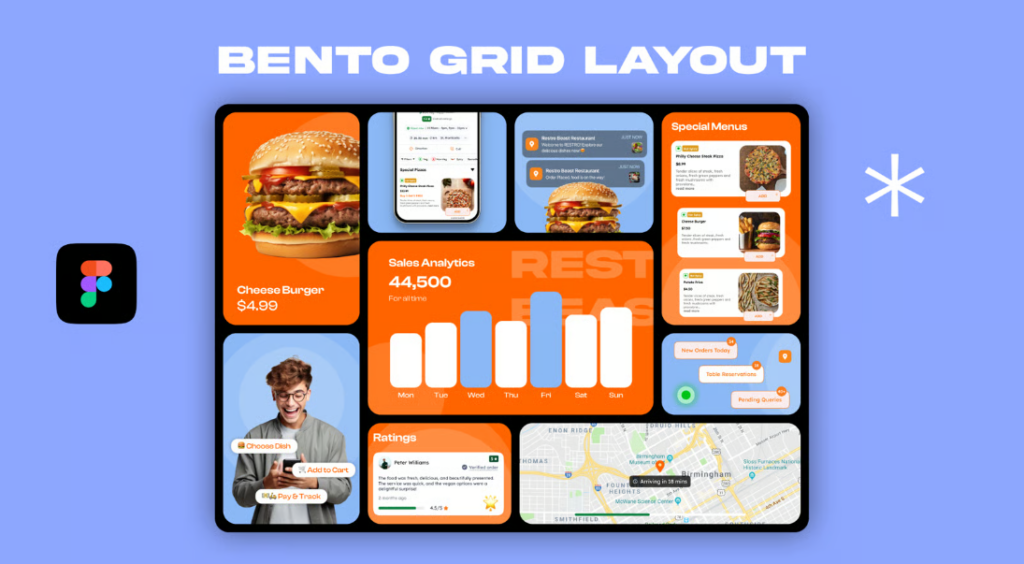
Image from Figma
5. Interactive and Gamified Brand Touchpoints
With how saturated the market has become, simply looking at festive branding isn’t enough to draw customers in anymore. To truly stand out in a sea of visuals, your graphic design in Cavite must invite consumers to participate.
Consider replacing static promotional banners with interactive features that make seasonal shopping more engaging, including:
- Digital Advent Calendars – Build anticipation and encourage repeat visits by implementing daily interactive reveals on websites and apps.
- Connected Packaging – Integrate QR codes and NFC tags into holiday label designs to unlock personalized video messages, curated playlists, or augmented reality (AR) filters.
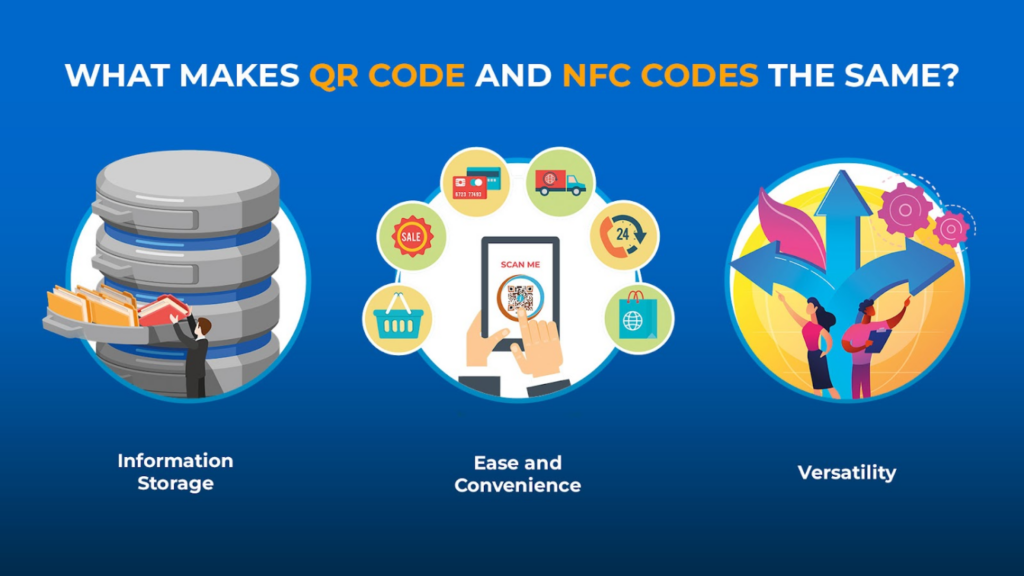
Image from LinkedIn
- Interactive Gift Guides – Move past boring lists and adopt visually-driven quizzes and shoppable lookbooks that can simplify decision-making for overwhelmed shoppers.
6. Hyper-Localized and Culturally Nuanced Storytelling
Audiences are growing more diverse, and various brands are slowly realizing that a single, uniform holiday template rarely resonates. With regional markets and varied cultural traditions driving significant seasonal growth, inclusive and localized branding has become essential.
Instead of relying on generic winter imagery that overlooks local climates or specific celebrations, brands can create adaptable regional campaigns. This involves adjusting color symbolism, cultural motifs, festive greetings, and packaging tiers to reflect the authentic traditions of specific communities. Examples include Lunar New Year, Diwali, Christmas, Hanukkah, and other local year-end festivities.
7. Sustainable Unboxing and Keepsake Packaging
Disposable holiday wrapping is beginning to lose its appeal as consumers grow more conscious of packaging waste. According to Shorr’s 2025 Sustainable Packaging Consumer Report, 90% of consumers prefer purchasing from brands with sustainable packaging.
Besides incorporating holiday visuals, consider these factors when choosing your next festive packaging design:
- Reusable Containers – Consider packing goods in embossed tins, illustrated glass jars, and sturdy fabric pouches that shoppers can proudly display or repurpose after the holiday season.
- Plastic-Free Finishes – Instead of using synthetic glitter and plastic laminates, consider using soy-based inks, blind debossing, water-based varnishes, and FSC-certified textured papers.
- Inside-Out Storytelling – Designers can create more impact by printing illustrations and brand stories on the interior of shipping boxes. This simple strategy creates a memorable unboxing moment without requiring extra tissue paper or decorative fillers.
Grant Your Holiday Marketing Wishlist With DMP
Catching up with holiday campaign design trends is only the beginning. The real challenge is making sure your festive visuals reach and convert the right audience.
At Digital Marketing Philippines (DMP), our creative and digital strategy teams help businesses craft scroll-stopping visual identities, high-converting holiday campaigns, and localized content tailored to your market.
Don’t let your brand get lost in the holiday rush. Contact DMP today to start building a festive branding and marketing strategy that turns seasonal shoppers into loyal customers.
References:
https://www.nim.org/en/publications/detail/transparency-without-trust
https://www.outsourceaccelerator.com/articles/graphic-design-trends/

Jomer B. Gregorio is a well-rounded expert when it comes digital marketing. Jomer is also known as a semantic SEO evangelist and practitioner. Check out our Digital Marketing Services today and let us help you in achieving positive and profitable results for your business.