
Social platforms continue to expand through new formats, smarter algorithms, and ongoing platform innovation. That influence is evident in how consumers behave, as 90% rely on social media to stay connected to trends and cultural conversations. Brands engage with audiences that look for authentic interaction and practical value rather than repetitive promotional content. These evolving behaviors mark shifts in how people connect, search, shop, and build online communities. Paying attention to social media trends in 2026 helps brands shape strategies that enhance visibility and engagement.
Latest Social Media Trends 2026
In 2026, success will not belong to the loudest or most viral brands. It will favor those who build trust through genuine engagement. Brands that encourage participation and incorporate user-generated content are more likely to capture attention and sustain loyalty.
Here are the social media trends every brand should know:
1. Community-Based Social Media
The idea of large follower pools no longer defines digital visibility. Many social media trends in 2026 center on communities formed around shared identities, niche interests, and focused discussion groups. With 76% of users actively participating in these communities, they gravitate toward smaller circles that feel more authentic than broad public feeds shaped by algorithm-driven content. Brands gain traction when communication shifts from mass broadcasting to active participation.
Platforms such as Facebook Groups, LinkedIn communities, and Reddit-style forums have become central to these interactions. They provide structured environments where users connect around specific topics. Visibility grows through consistent contribution and relevant insights rather than generic promotional messaging.
Community-driven conversations in 2026 allow brands to foster trust and maintain relevance. Participants engage more positively when brands respond as helpful community contributors instead of advertisers. Content designed for these spaces emphasizes clarity and alignment with group interests. This makes thoughtful participation more effective than frequent posting.
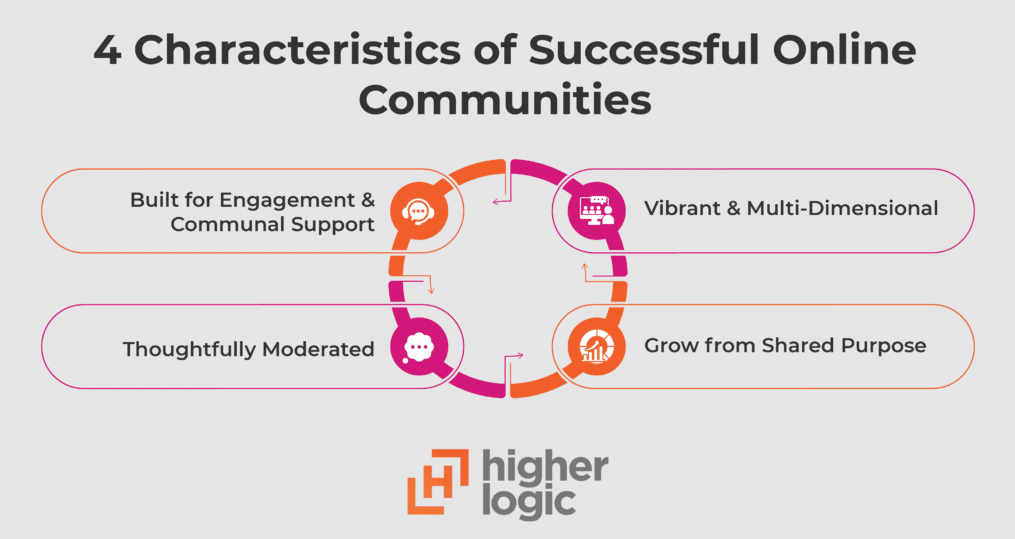
Image from Higher Logic
2. AI-Powered Assistance for Social Media Management
Artificial intelligence (AI) helps brands create and manage social content more efficiently while maintaining consistent engagement across platforms. Recent data shows that 83% of marketers report that generative AI enables them to create substantially more content than they could manually. These tools reduce manual workload, allowing teams to focus on creative strategy and keep content aligned with digital marketing trends 2026.
AI capabilities built into social channels include:
- AI-generated captions
AI quickly produces post copy that fits a brand’s tone and style. This helps teams maintain consistent posting schedules without requiring extensive time spent drafting text. - Automated messaging
Automated responses handle comments, direct messages, and common inquiries within social apps, including product information and order updates. These systems operate 24/7, ensuring timely engagement while reducing reliance on manual responses. - AI-concept ads
AI-powered tools help brands generate advertising concepts, including video ideas, visual layouts, and campaign formats, based on engagement signals and emerging trends. For example, KFC Philippines launched its first advertisement created entirely by AI, without human actors. The campaign highlights how brands can leverage automated creativity while maintaining control over the final output. - Automated design recommendations
Design assistance tools suggest layouts, visuals, and enhancements that improve post-presentation. This allows teams to maintain high-quality content efficiently. - Trend insights and performance analysis
Analytics tools monitor engagement patterns and performance signals to guide content strategy. Brands use these insights to refine campaigns and focus on formats that resonate most with audiences.
A marketing agency Philippines helps brands implement these AI tools effectively by combining strategic planning with automation to produce consistent and impactful social content.

Image from Capterra
3. Authentic Creators Replacing Traditional Influencers
In 2026, 69% of consumers trust influencers’ product recommendations, which explains why audiences increasingly follow creators who share expertise or common interests rather than those focused solely on sponsored content. Niche experts, community advocates, and relatable micro-creators receive stronger traction as audiences prioritize sincerity over celebrity status.
About 64% of consumers say genuine reviews have the greatest impact on purchasing decisions. That’s why brands now collaborate with creators to produce creator-led content, such as tutorials, honest product reviews, and practical demonstrations. This approach moves away from overly polished campaigns and highlights genuine voices in brand storytelling.
Social platforms support this shift through expanded creator monetization options and performance insights that help emerging creators grow. These systems encourage more authentic participation while allowing brands to connect with communities already engaged in creator-driven content.
The transition reflects social media trends for businesses heading toward real voices that help audiences trust product messages and build credibility.
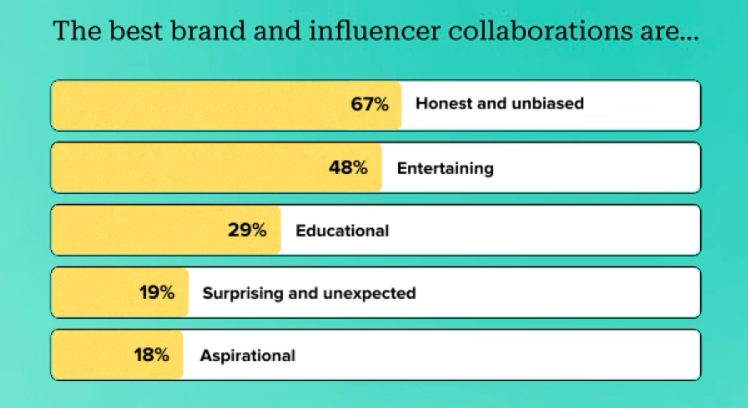
Image from Sprout Social
4. Augmented and Immersive Content
Augmented features are becoming more accessible through mobile-native tools built directly into social platforms. More networks now introduce interactive layers that place branded objects, filters, product previews, and effects into user-generated posts. Growing interest in virtual try-ons encourages retailers to invest in ready-to-use augmented features that help users evaluate products before purchase. According to Forbes, this technology can drive sales up to 30% while lowering returns by 20%, demonstrating the value of interactive, virtual product experiences in guiding consumer choice.
For instance, Maybelline’s AR-powered try-on allows users to test makeup shades in real time using their smartphone camera, and Colourette’s First Base filter on TikTok helps users find their perfect first base shade or true color match for everyday skin tint. That interactive experience enhances online shopping by letting consumers explore, test, compare, and select products with greater confidence. Immersive format like these helps users understand products better in ways static images cannot provide. This shift aligns with growing trust in immersive media, supporting deeper interaction and stronger brand connections in 2026.
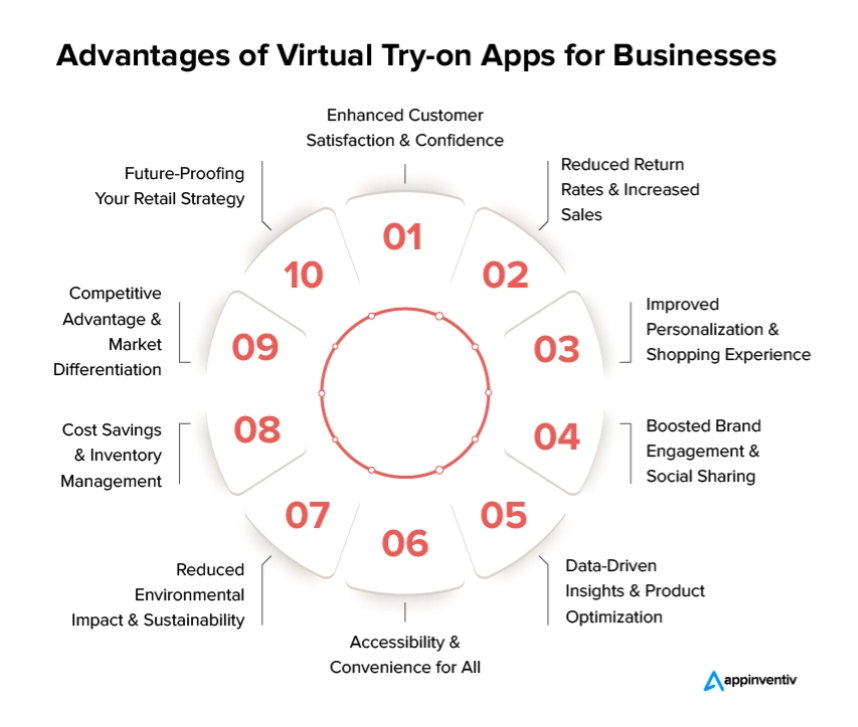
Image from Appinventiv
5. Social Commerce Turning Into Full Shopping Ecosystems
Social commerce is no longer experimental in 2026. It has become an integral part of the customer journey. Over the past year, 61% of consumers have reported browsing or purchasing through social video commerce channels such as Facebook Live, TikTok Shop, YouTube, or Instagram Reels. Integrated payments, product tagging, live shopping, and automated customer support combine to create one seamless shopping experience.
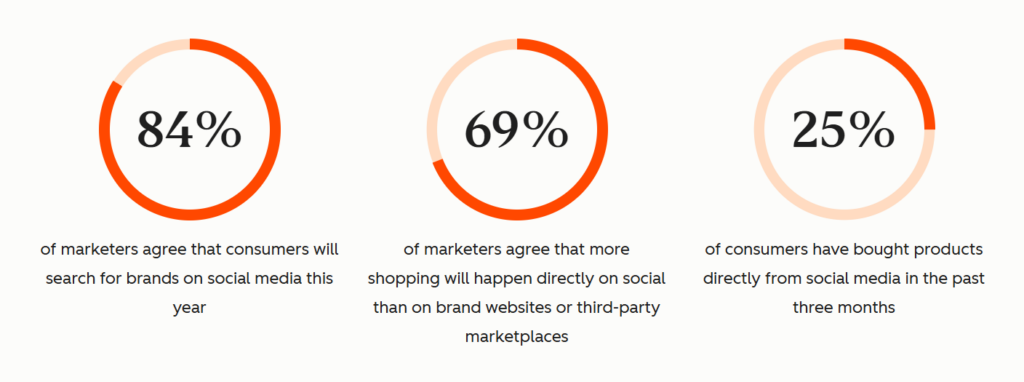
Image from HubSpot
Brands leverage several key features to deliver these capabilities:
- In-app Shopping – Shoppers discover products through posts, stories, or ads and complete purchases entirely within the same app.
- Interactive Live Shopping – Brands or creators host live sessions to demonstrate products, interact with viewers in real time, and encourage instant purchases. The growing prevalence of live shopping is supported by improved moderation tools and enhanced replay formats. Many brands now host regular live sessions to launch products, share offers, or answer questions from potential buyers.
- Complete Social Storefronts – Brands can create full storefronts inside social media platforms, like TikTok Shop, Instagram Shops, or YouTube Shopping. Consequently, shoppers can explore and buy products without redirecting them to external websites.
These changes illustrate new social media marketing trends, presenting an opportunity for brands to leverage content-driven shopping as a primary sales channel in 2026.
6. Searchability Inside Social Platforms
Sixty percent (60%) of younger audiences now treat social apps as search engines. For example, they use TikTok to discover new restaurants, Instagram for skincare tips, and YouTube to learn how to fix or create things. This behavior makes social media optimization essential for brands that want to appear in these searches and reach their audiences effectively.
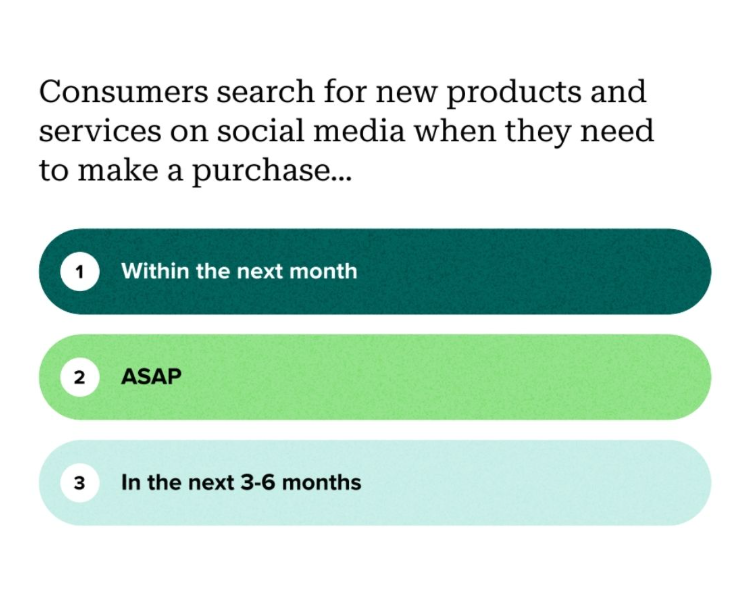
Image from Sprout Social
Platforms surface content based on multiple signals, including video titles, captions, spoken words, and even user comments. TikTok highlights results using keywords found across these elements, while Instagram and YouTube rely on hashtags, metadata, and descriptions. Content planned around common search queries and consistent terminology helps algorithms recognize relevance. Brands improve discoverability and connect with audiences where they are already searching.
These developments signal the future of social media marketing, where discovery depends increasingly on usefulness and context. Brands that create structured, searchable content in 2026 are designed to inform audiences, strengthen visibility, and drive more meaningful engagement.
7. Rising Importance of Short, Structured Video
Short videos continue to dominate social media in 2026, with 66% of consumers finding it the most engaging content format. Platforms such as TikTok, Instagram Reels, and YouTube Shorts prioritize videos that remain concise, informative, and easy to digest. Info-first formats such as tutorials, step-by-step guides, and concise explainers help audiences understand and share information efficiently.
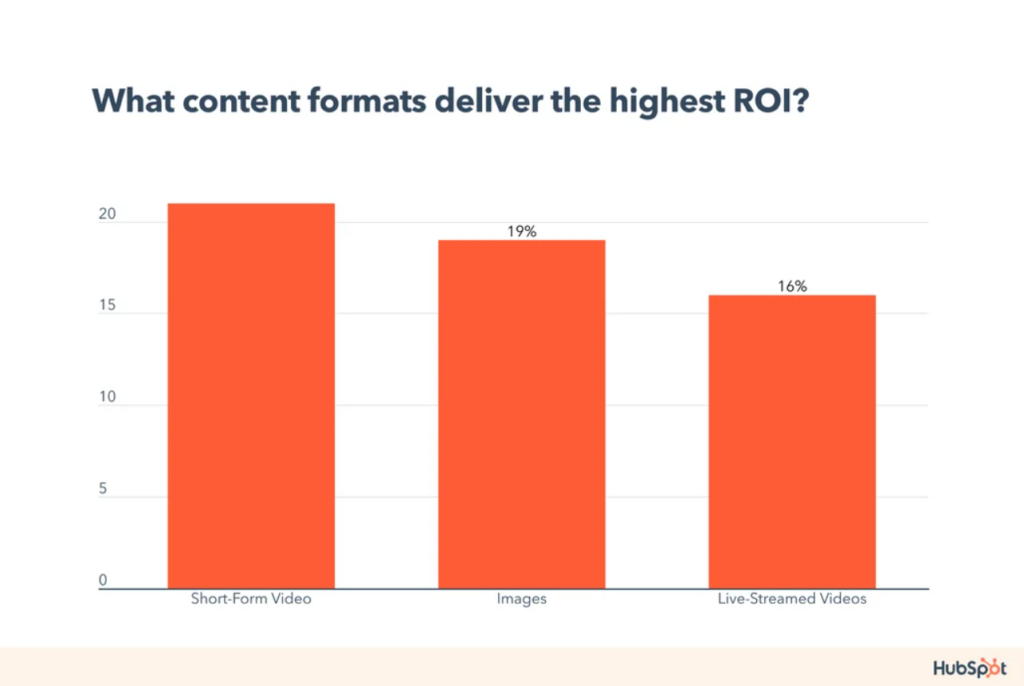
Image from HubSpot
Brands benefit from simple, repeatable video styles that present information directly. Excessive editing is not required. What matters is helpful content that addresses a need or provides relevant guidance that resonates more strongly with viewers.
Discovery patterns further strengthen this format’s relevance in 2026. Seventy-eight (78%) of consumers prefer finding new products through short video content, positioning these clips as practical tools for product demonstrations and comparisons. These formats influence purchasing confidence and give viewers immediate insights into product usefulness.
This growing preference reinforces why short, structured video remains central to social media strategies in 2026, especially as audiences rely on quick, informative content to discover products and make decisions.
Master 2026 Social Media Trends With DMP
The next year promises new approaches toward engagement shaped by audience expectations, technology expansion, and platform direction. Brands that track social media trends in 2026 remain better prepared for changes influencing online communities.
If your brand wants to take advantage of the emerging social media trends in 2026, Digital Marketing Philippines (DMP) can provide expert guidance and tailored solutions.
DMP provides comprehensive social media marketing in the Philippines, supporting brands as they:
- Improve online visibility and awareness
- Strengthen interaction and engagement
- Build authenticity and credibility
- Drive measurable growth and results
Our team begins by reviewing your current social presence to identify opportunities aligned with the latest trends. From strategy to execution, we create customized approaches that enhance engagement, reach, and overall brand impact.
Contact us today to strengthen your social media presence and remain aligned with shifting audience behaviors in 2026.
References:
https://www.adobe.com/express/learn/blog/2026-social-media-trends
https://camphouse.io/blog/social-shopping
https://sproutsocial.com/insights/social-media-trends
https://www.coursera.org/articles/social-media-trends
https://versacreative.com/blog/9-social-media-trends-for-businesses-in-2026/
https://blog.hubspot.com/marketing/hubspot-blog-marketing-industry-trends-report

Jomer B. Gregorio is a well-rounded expert when it comes digital marketing. Jomer is also known as a semantic SEO evangelist and practitioner. Check out our Digital Marketing Services today and let us help you in achieving positive and profitable results for your business.