
Shoppers no longer need to know the exact product name to begin their search. They can describe a problem, upload an image, ask an AI assistant for recommendations, or compare several options through a conversation. With 43% of users interacting with AI tools and features every day, AI is becoming a more familiar part of the way people find information. As usage grows, e-commerce product discovery is moving beyond traditional search boxes and product-category pages.
For e-commerce brands, being online is no longer enough to support product discovery. Product information needs to be clear enough for shoppers to understand and for search engines and AI systems to identify, compare, and recommend products.
What E-commerce Product Discovery Covers
E-commerce product discovery refers to how customers find products that match their needs, preferences, or specific use cases. It can start before a shopper reaches an online store and continue throughout the research and comparison process.
Common discovery points and features include:
- Search engines – Product, category, and problem-based searches introduce possible options.
- On-site search – Filters and internal search help shoppers narrow large catalogs.
- Recommendations – Suggested or related products expose customers to alternatives.
- Social content – Creators, reviews, videos, and customer posts can introduce products.
- Marketplaces – Rankings, categories, and suggested listings influence which shoppers are considered.
Traditional discovery often relies heavily on keywords and fixed categories. AI adds another layer by interpreting search intent, contextual information, images, and conversational requests.
How AI Is Reshaping the Product Search Journey
Recent e-commerce AI trends in 2026 show that shoppers are using AI earlier in the buying process. NielsenIQ’s 2026 research found that 42% of consumers had used at least one AI tool to shop within the previous month, while 17% had used AI for product recommendations.
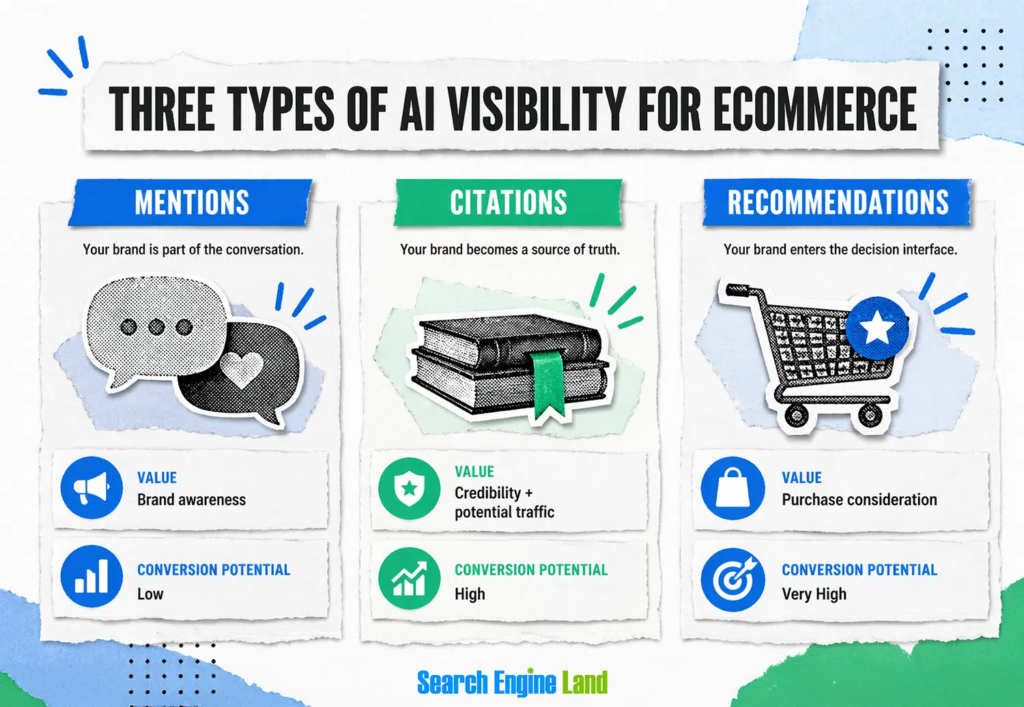
Image from Search Engine Land
For brands, this means e-commerce product discovery is no longer limited to search bars, filters, and category pages. Product information now needs to be clear enough for AI tools to interpret, compare, and surface before a shopper even reaches the website.
Several shifts are driving this change:
1. Product Search Becomes More Conversational
Shoppers are moving beyond short, keyword-based searches. In AI-powered experiences, they can ask full questions, add context, and refine what they need through follow-up prompts. Conversational search allows shoppers to express their intent more clearly rather than relying on fragmented keywords.
For instance, a shopper looking for “a lightweight work bag that fits a laptop and handles rainy commutes” can give AI several signals at once, such as:
- Intended use – How and where the product will be used.
- Budget – The price range that fits the shopper.
- Features – Size, material, compatibility, or other requirements.
- Preferences – Style, color, or other details that narrow the options.
For brands, product content should cover real needs, use cases, and decision factors so AI systems can better interpret and surface relevant products.
2. Recommendations Get More Personalized
Traditional recommendation systems may show products based on previous purchases or items that other shoppers commonly buy together. AI can consider more information from the shopper’s current interaction, allowing recommendations to reflect the context behind a request.
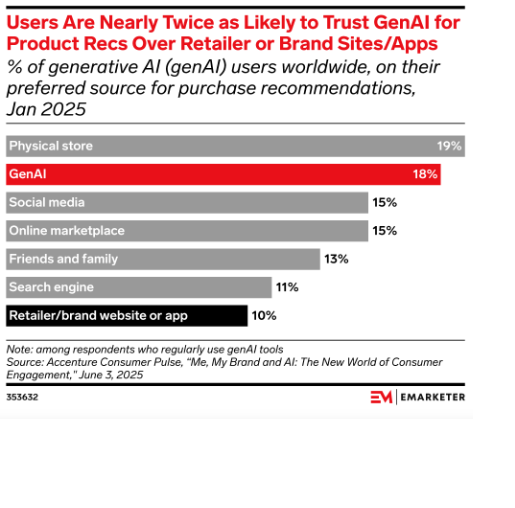
Image from Emarketer
Factors that can shape these recommendations include:
- Current budget – Price can immediately narrow the available options.
- Preferred features – Details mentioned during the search can shape results.
- Browsing behavior – Previous activity can provide additional context about product interests.
- Availability – Recommendations can prioritize products that are currently available to purchase.
- Current intent – Information shared during the conversation can guide suggestions.
This can make e-commerce product discovery feel less like scanning a large catalog and more like reviewing a focused shortlist.
3. Images Provide Another Way to Search
Sometimes shoppers can recognize what they want but struggle to describe it. Visual and multimodal AI gives them another way to search. Google Lens handles more than 20 billion visual searches each month, showing the growing demand for image-based discovery.
A customer might upload an image and look for:
- A similar design in another color
- A cheaper alternative
- Another material or size
- Products with comparable features
Google has also added generative AI to Lens, letting users ask questions about what they see. For e-commerce brands, clear product imagery and accurate attributes can support e-commerce product discovery across visual and AI-assisted search.
4. AI Can Introduce Brands Before a Website Visit
AI assistants can help shoppers compare options before they visit an e-commerce store. A customer might ask for recommended products within a budget, differences between models, or alternatives with specific features.
The 2025 e-Conomy Southeast Asia (SEA) research found that 30% of surveyed digital users said AI features helped them discover brands and products they might otherwise have missed.
For brands, AI systems need reliable product information to evaluate available options. Useful information signals include:
- Product descriptions – Explain features and intended uses clearly.
- Specifications – Keep technical details complete and consistent.
- Price and availability – Keep commercial information current across channels.
- Reviews – Provide additional context from real customers.
- Structured product data – Help search systems interpret product attributes and other details.
5. Reviews and UGC Add Real-World Context
Brand descriptions explain what a product offers. Reviews and user-generated content add details about how customers actually experience it.
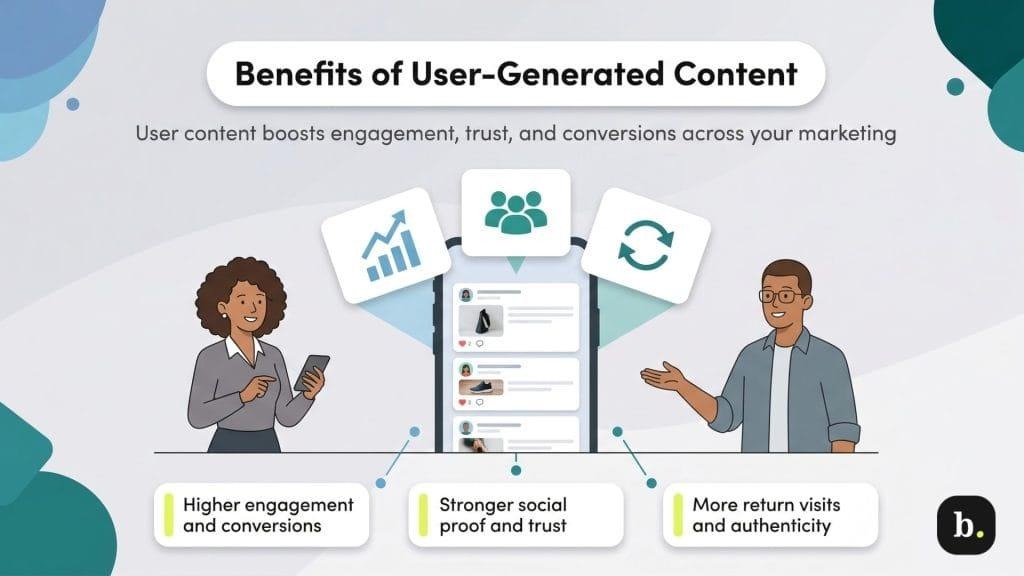
Image from Business
During e-commerce product discovery, shoppers may look for:
- Real-world use cases
- Recurring strengths or concerns
- Product comparisons
- Customer photos and videos
- Answers not covered on the product page
This also makes navigating AI in UGC and social media more relevant as product research spreads across AI search, social platforms, and online communities.
Preparing Your Site for AI-Driven E-commerce Product Discovery
AI can create new ways for shoppers to discover products, but the e-commerce site still needs to give shoppers a useful destination. Weak product information or technical problems can waste the visibility gained earlier in the journey.
To support e-commerce product discovery, focus on the site elements that help shoppers and search systems understand products clearly while supporting the next stages of evaluation and purchase:
Strengthen Product Page Information
Start with the pages closest to conversion. When optimizing an e-commerce site’s content, make sure each product page provides enough information for shoppers and search systems to interpret it accurately.
Check for:
- Unique descriptions – Explain benefits and features instead of copying generic manufacturer text.
- Clear attributes – Include sizes, materials, compatibility, variants, and other useful details.
- Current information – Keep prices and stock status accurate.
- Reviews and FAQs – Address questions buyers commonly ask.
- Structured data – Provide machine-readable product information.
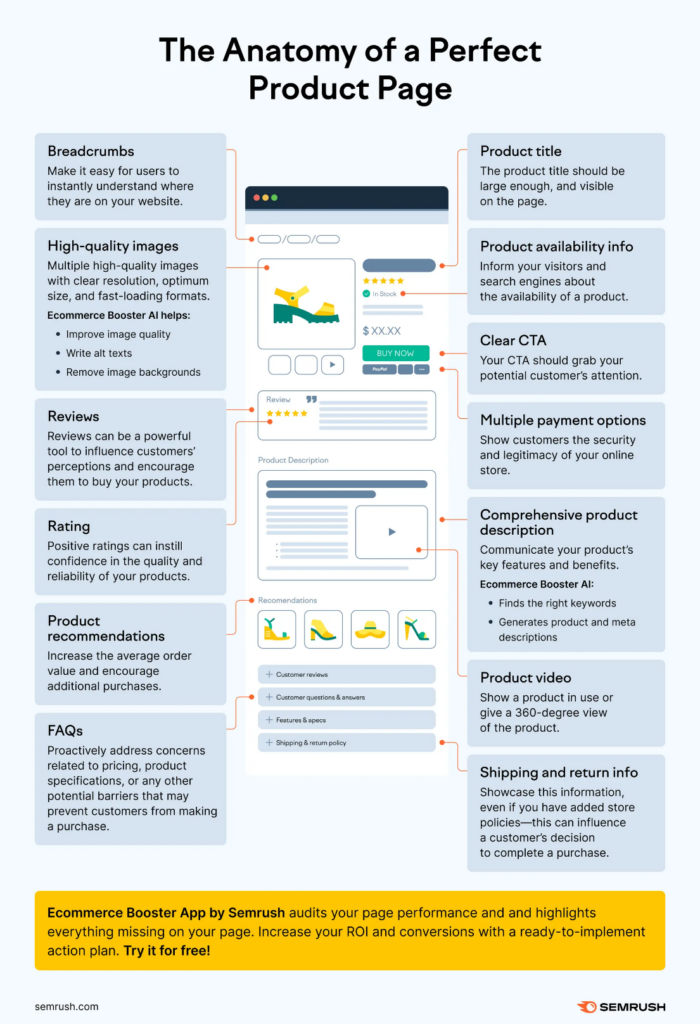
Image from Semrush
Keep SEO Part of the Discovery Strategy
AI search creates new discovery routes, but traditional SEO still matters. Products need pages that search systems can crawl, interpret, and connect with relevant queries.
Working with an SEO expert in the Philippines can help address technical SEO, structured data, internal linking, search intent, and product content gaps.
Strong search foundations can support e-commerce product discovery across both traditional and AI-assisted search.
Keep the Store Technically Reliable
Getting recommended is useful only if the shopper lands on a page that works. Slow performance, broken functionality, or outdated product details can quickly interrupt the buying journey.
For WordPress and WooCommerce stores, ongoing WordPress maintenance can help address updates, security, compatibility, and website performance.
Brands should also regularly check product links, stock information, mobile usability, and checkout functionality.
Connect Discovery Across Channels
A shopper might first encounter a product through an AI assistant, see it later on social media, and return through Google before buying. Each touchpoint should reinforce the same product information and positioning.
Working with a marketing agency in the Philippines can help connect SEO, content, social media, paid campaigns, and e-commerce operations instead of treating each channel as an isolated source of traffic. Coordinating these efforts becomes increasingly important as product discovery spreads across more platforms.
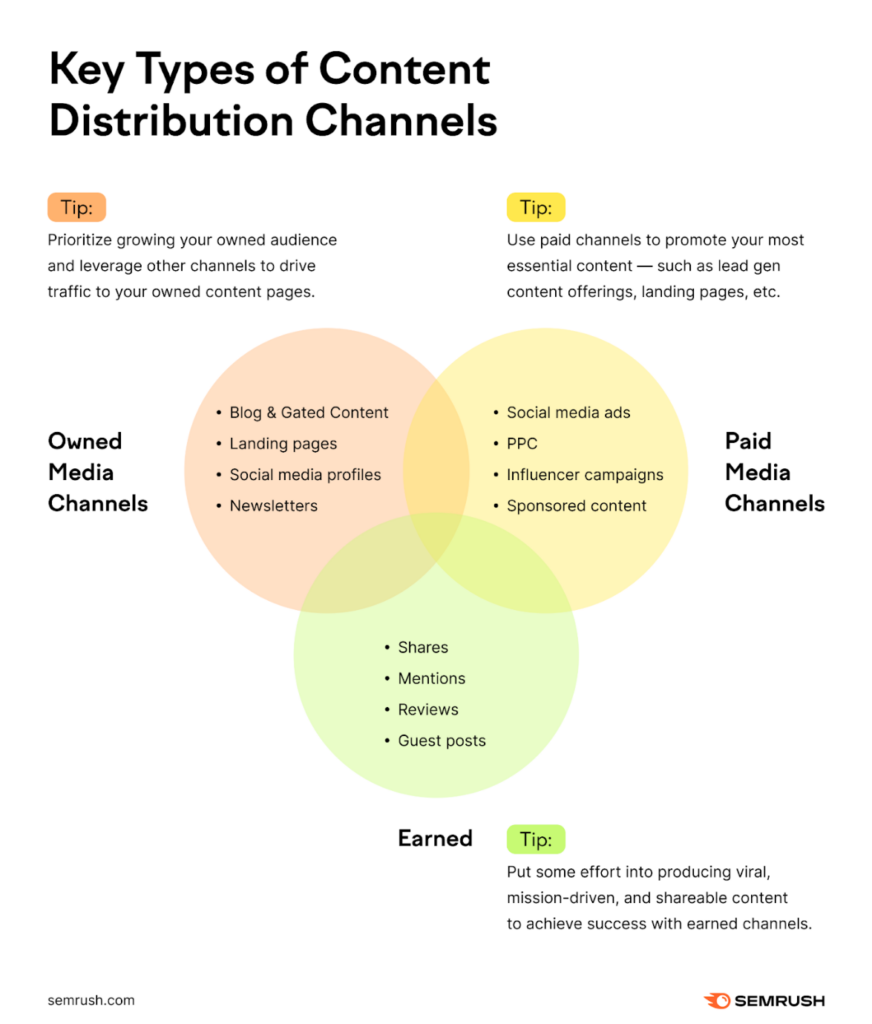
Image from Semrush
Build Stronger E-commerce Product Discovery With DMP
AI is changing how shoppers find and evaluate products across search engines, social platforms, and other digital channels. Strong e-commerce product discovery depends on clear product information, reliable site performance, and useful content that can support these expanding discovery paths.
Digital Marketing Philippines (DMP) helps businesses connect SEO, AI search visibility, content, and website performance around a measurable marketing strategy. As e-commerce product discovery continues to change, we can help your products stay visible across traditional search and emerging AI-driven journeys.
Ready to make your products easier to find? Contact us today to build a stronger e-commerce discovery strategy for AI-assisted search and the next stage of e-commerce.
References:
https://services.google.com/fh/files/misc/philippines_e_conomy_sea_2025_report.pdf
https://www.coveo.com/en/product-discovery
https://nrf.com/research/own-the-agentic-commerce-experience
https://business.adobe.com/blog/user-intent-and-conversational-search
https://business.google.com/en-all/think/search-and-video/google-search-innovations
https://business.google.com/en-all/think/ai-excellence/e-conomy-sea-2025-ai-growth
https://searchengineland.com/ai-driven-shopping-discovery-product-page-optimization-468765

Jomer B. Gregorio is a well-rounded expert when it comes digital marketing. Jomer is also known as a semantic SEO evangelist and practitioner. Check out our Digital Marketing Services today and let us help you in achieving positive and profitable results for your business.