
Social media is becoming a bigger part of the shopping journey. Customers can discover products, watch product demonstrations, read comments, compare recommendations, and move towards a purchase without leaving the platforms they use every day.
- Why Social Commerce Trends Matter in 2026
- Social Commerce Trends Reshaping Enterprise Retail
- 1. Social Discovery Moves Closer to Purchase
- 2. Creator-Led Selling Gets More Structured
- 3. AI Adds a New Layer to Product Discovery
- 4. Live Shopping Becomes More Purposeful
- 5. Social Search Shapes Product Research
- 6. Friction After the Click Costs Sales
- 7. Trust Becomes a Conversion Factor
- 8. Measurement Moves Beyond Engagement
- How Enterprise Brands Can Respond to Social Commerce Trends
- Turn Social Commerce Trends Into Measurable Growth
DataReportal reported 5.79 billion active social media user identities worldwide in April 2026. For enterprise brands, this large social media audience makes social commerce trends increasingly relevant to how customers discover and evaluate products. In 2026, as social platforms become more involved in the buying journey, brands need to create a connected experience that takes customers from discovery into a direct point of sale.
Why Social Commerce Trends Matter in 2026
Social commerce is turning product-related interactions into moments that can influence what customers consider and ultimately choose. In fact, social media has become a product discovery channel for 53% of shoppers, underscoring how much purchasing activity now begins in social environments.
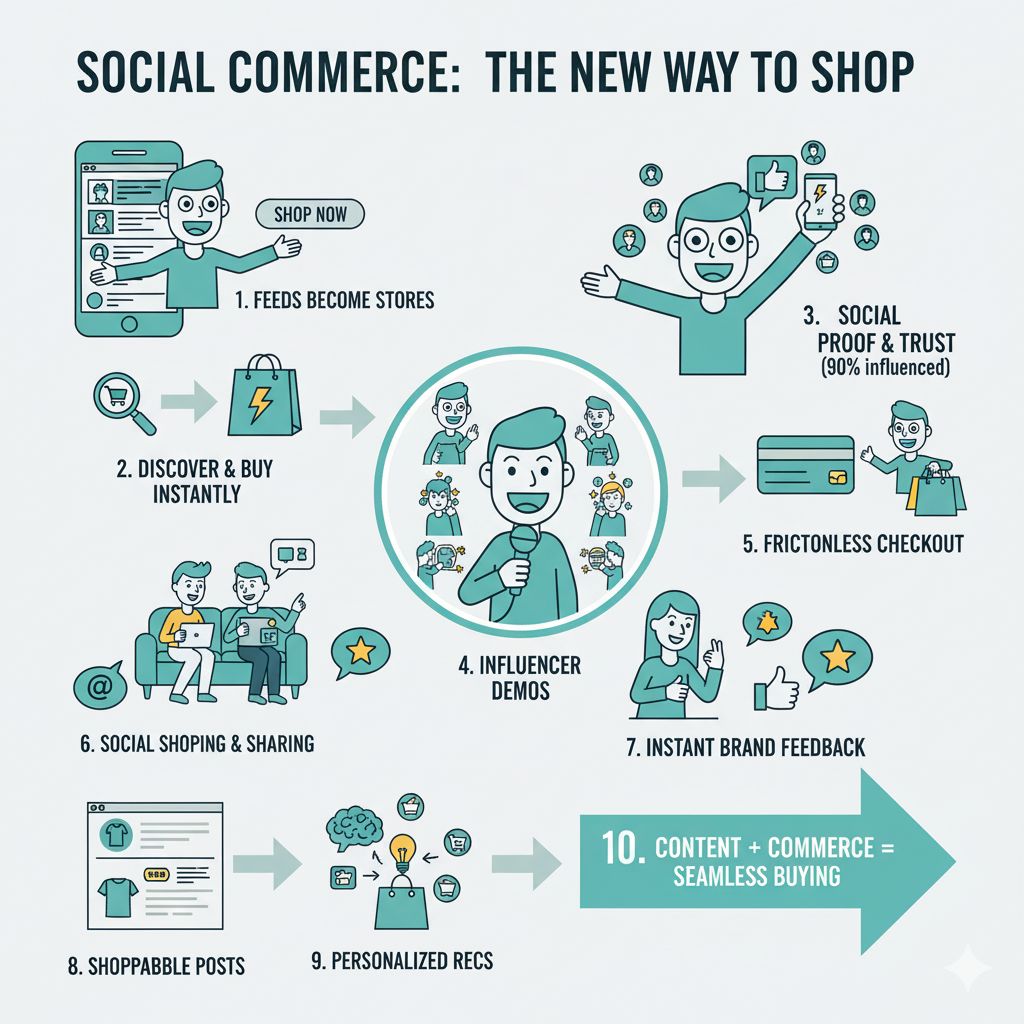
Image from LinkedIn
For enterprise brands, these social commerce trends create several practical implications across the customer shopping journey:
- Discovery Happens Across More Touchpoints – Customers may first see a product through a creator content, a short-form video, a social ad, a comment thread, or a search result.
- Purchase Paths Are Getting Shorter – Social content can move customers from awareness to consideration in the same session.
- Consistency Affects Conversion – Pricing, promotions, stock information, and product details need to match across channels.
- More Teams Influence the Outcome – Social media, e-commerce, paid media, customer service, and operations can all influence the same customer journey.
Social Commerce Trends Reshaping Enterprise Retail
The major social commerce trends for 2026 are less about adding another shopping feature and more about how people find, evaluate, and purchase products within the social media ecosystem. Here’s how:
1. Social Discovery Moves Closer to Purchase
A customer may see a product in a Reel or TikTok, check the comments, visit the brand profile, and then move to a product page. Each step should provide consistent product information and a clear path toward purchase.
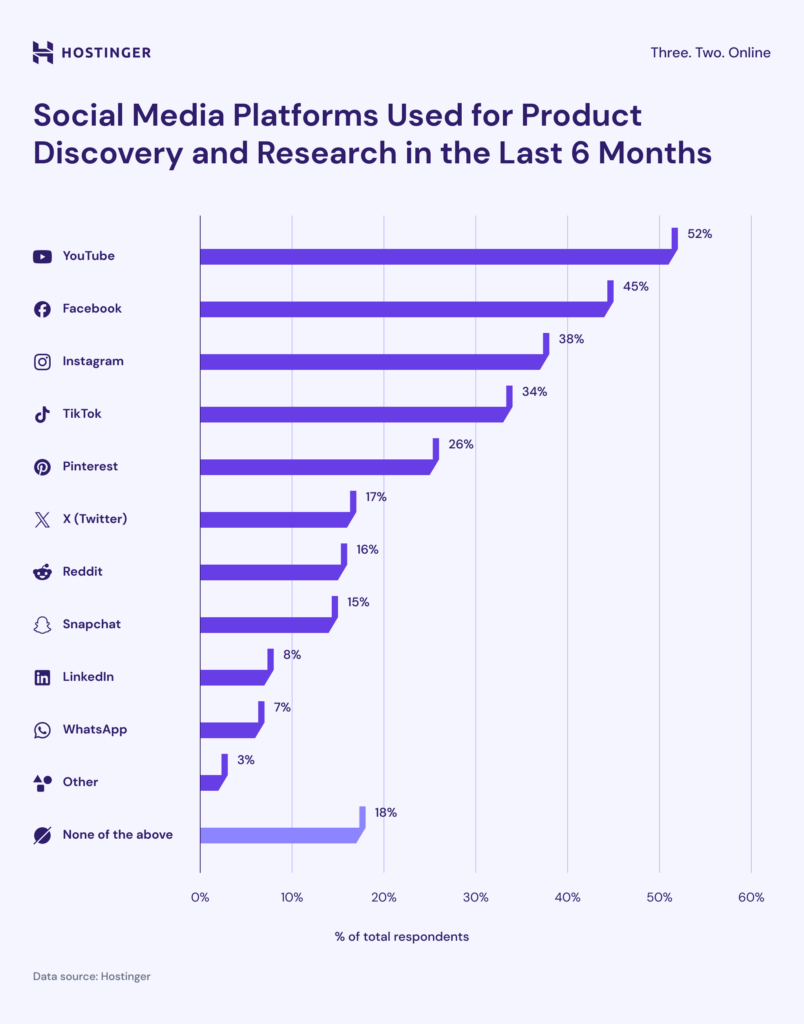
Image from Hostinger
Enterprise brands should keep product visuals, prices, promotions, availability, and links up to date across social and owned channels. A strong social post can lose its impact when the next page contains outdated product information.
2. Creator-Led Selling Gets More Structured
Creators can support product demonstrations, reviews, affiliate content, and live sessions that influence shoppers closer to purchase.
For social selling for enterprise brands, larger creator programs need clear operating standards:
- Approved Product Information – Give creators accurate specifications, claims, and promotional details.
- Disclosure Rules – Set expectations for sponsored and affiliate content.
- Brand Guardrails – Define the messaging that must stay consistent without making every post sound scripted.
- Performance measures – Track qualified traffic, assisted sales, leads, and conversions alongside engagement.
A structured program helps brands scale creator activity while maintaining accurate product communication.
3. AI Adds a New Layer to Product Discovery
AI-assisted search and recommendations are becoming more common during product research. A 2026 study from IBM and the National Retail Federation found that 41% of consumers use AI assistants to explore products, 33% to check reviews, and 31% to find deals.
That matters for social commerce because product discovery no longer happens only within a social platform or traditional search engine. As AI search grows, relevant brands and products can be surfaced directly in AI-generated answers and recommendations. For enterprise brands tracking social commerce trends, accurate product information can help improve visibility across AI-assisted shopping journeys.
4. Live Shopping Becomes More Purposeful
Live commerce works best when the format gives customers useful information in real time.
Enterprise brands can use live sessions for:
- Product Launches – Introduce a new item and address common questions.
- Demonstrations – Show features, use cases, or product applications.
- Limited Offers – Give viewers a timely reason to act.
- Creator Sessions – Pair product information with a host who already has audience trust.
The session should help customers evaluate a product rather than simply recreate a standard advertisement.
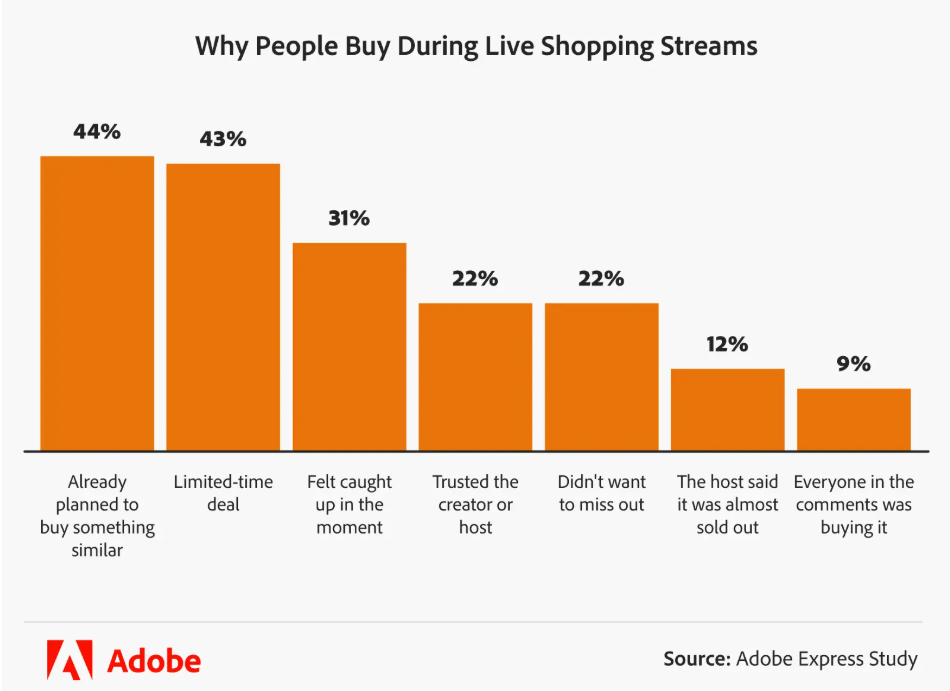
Image from Adobe
5. Social Search Shapes Product Research
Customers use social platforms to look for demonstrations, reviews, comparisons, and first-hand experiences before making a purchase decision. This behavior also connects with broader social media trends in 2026.
As social commerce trends develop, enterprise teams should make content easier to find through descriptive captions, useful video titles, clear product information, FAQs, creator content, and informative comment responses.
6. Friction After the Click Costs Sales
Social content may generate interest, but a difficult buying experience can still stop customers from completing a purchase. For enterprise brands, the path from social discovery to checkout needs to be simple, consistent, and easy to navigate.
Brands should check the full path after social discovery:
- Mobile Experience – Product pages need to work smoothly on mobile devices.
- Availability – Stock information should match the offer promoted on social media.
- Checkout – Unnecessary steps can create extra drop-off points.
- Delivery – Options and costs should be clear before the final purchase stage.
- Support – Customers need an easy way to resolve questions that interrupt a sale.
These social commerce trends show that conversion depends on what happens after the click, not just the content that generated interest.
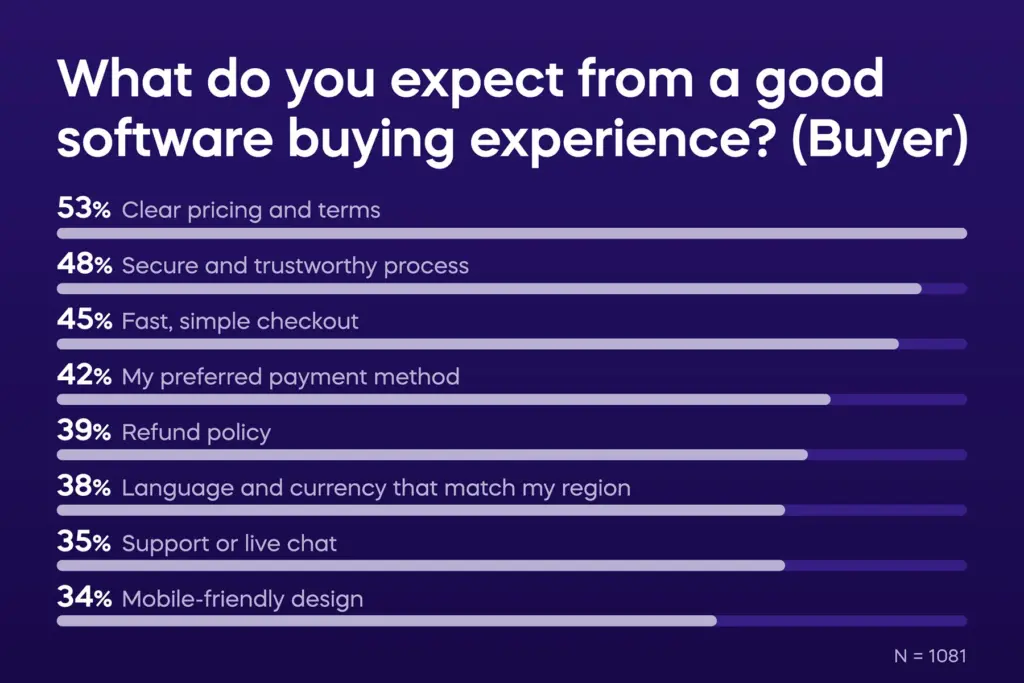
Image from Cleverbridge
7. Trust Becomes a Conversion Factor
Customers can encounter brand ads, creator recommendations, user-generated posts, reviews, and AI-assisted content during the same product search. Conflicting information can create hesitation.
Enterprise brands can strengthen trust by keeping product claims consistent, making genuine reviews easy to find, responding clearly to questions, and setting accuracy standards for creator partnerships.
8. Measurement Moves Beyond Engagement
Likes, views, and shares show content performance, but they do not capture the full commercial impact of social activity.
Enterprise teams can add measures such as:
- Revenue attributed or assisted by social channels
- Product-page visits from social content
- Qualified leads and inquiries
- Creator-assisted conversions
- Customer acquisition cost
- Repeat purchases from social audiences
Among the social commerce trends shaping 2026, better measurement matters because a sale may begin on social media and finish through another channel.
How Enterprise Brands Can Respond to Social Commerce Trends
An enterprise social commerce strategy for 2026 should focus on integration, testing, and measurable outcomes rather than adopting every new feature at once.
Start with a few practical priorities:
- Connect Product Data – Keep pricing, inventory, specifications, and promotions aligned across social platforms, product pages, and e-commerce systems.
- Adapt Content by Platform. Match creative formats and messaging to how people discover and interact on each channel.
- Set Creator Standards – Create processes for approvals, disclosures, product claims, and performance reporting.
- Reduce Buying Friction – Review the journey from social content to product page, checkout, delivery, and support.
- Measure Commercial Results – Track leads, assisted conversions, revenue, and customer value alongside engagement metrics.
- Test Before Scaling – Pilot new formats with selected products, audiences, or markets before wider rollout.
Social commerce should also connect with the wider online marketing in the Philippines ecosystem. Search, paid media, content, e-commerce, and social activity are easier to optimize when teams work from shared goals and reliable data.
Further, a coordinated approach to social media marketing in the Philippines can help enterprise brands keep campaigns, customer interactions, and commerce activity aligned as platform behavior changes.
Turn Social Commerce Trends Into Measurable Growth
Keeping up with social commerce trends today does not mean chasing every platform update. Enterprise brands need to identify changes that improve product discovery, reduce friction, strengthen customer trust, and support commercial goals.
At Digital Marketing Philippines (DMP), we help brands connect social media to broader digital strategies focused on visibility, qualified traffic, leads, and sales. As a trusted social media agency in Cavite, we can provide enterprise teams with additional support for planning, content creation, campaign execution, and performance measurement.
Ready to build a stronger social commerce approach for 2026? Contact us to explore how we can support your social commerce goals.
References:
https://impact.com/affiliate/benefits-of-social-commerce
https://datareportal.com/reports/digital-2026-philippines
https://www.salesforce.com/news/stories/social-shopping-stats-2025
https://nrf.com/research/own-the-agentic-commerce-experience
https://www.bigcommerce.com/articles/omnichannel-retail/social-commerce

Jomer B. Gregorio is a well-rounded expert when it comes digital marketing. Jomer is also known as a semantic SEO evangelist and practitioner. Check out our Digital Marketing Services today and let us help you in achieving positive and profitable results for your business.