
Search marketing has changed. Rankings and traffic still matter, yet they no longer describe how users interact with brands after arriving from search results. Search engines now prioritize satisfaction, clarity, and usability. Businesses that focus only on traffic risk are missing deeper signals that influence visibility and revenue.
Search experience optimization (SXO) addresses the entire journey, from before a click to after a conversion. It connects technical performance, content relevance, and user experience. Brands that align these elements see stronger engagement, more extended visits, and better overall outcomes.
Why Click Metrics No Longer Reflect Search Success
Clicks used to signal effective search strategies. High traffic meant visibility, and visibility meant growth. However, that relationship has changed, as users now interact with search results in complex ways. Zero-click searches, AI summaries, and featured snippets reduce the need to visit websites. About 80% of queries end on the results page without any clicks, signaling a shift in how people discover information.
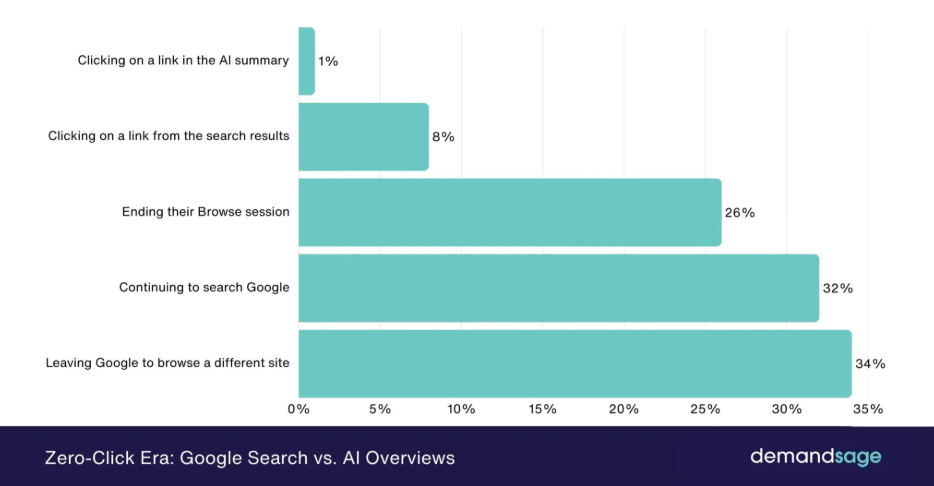
Image from Demandsage
Search engines now evaluate satisfaction through behavioral signals such as dwell time, scroll depth, and engagement patterns. These metrics reveal how effectively a page meets user needs. A page that attracts clicks but fails to engage users sends negative signals, and traffic without relevant interaction can weaken long-term visibility.
Brands must evaluate performance beyond surface metrics. User engagement, completion of desired actions, and overall satisfaction reflect real success in modern search environments.
What is SXO?
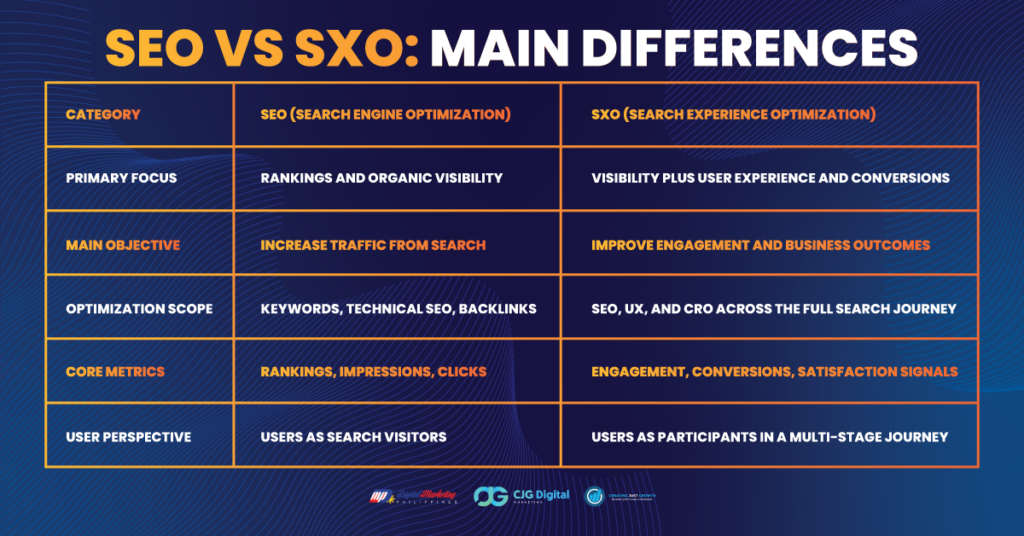
Search experience optimization (SXO) is an integrated framework that combines search visibility, content relevance, usability, and conversion design. It considers search as the starting point of a broader customer journey, rather than just a channel for acquiring traffic.
SXO connects search engine optimization (SEO), user experience design (UX), and conversion rate optimization (CRO) into a unified strategy. It prioritizes user satisfaction and business outcomes over rankings alone. This approach recognizes that search engines and users share similar priorities around relevance, clarity, and efficiency.
SXO focuses on optimizing every stage of the search journey. That includes how content appears in search results, how users interact with pages, and how they complete actions. Delivering a consistent experience requires collaboration between marketing, design, and development teams.
Search experience optimization shifts the focus from keywords and backlinks to user intent, usability, and goal completion. It ensures that both technical performance and content effectiveness work together to support user engagement that drives conversions.
SEO vs SXO: Main Differences
Key Aspects and Strategies of SXO
Search experience optimization relies on multiple interconnected components. Each element influences how users perceive a brand and how search engines evaluate relevance. When applied effectively, SXO becomes a cornerstone of any digital marketing strategy, enhancing engagement, conversions, and discoverability.
1. User Intent Optimization
User intent optimization involves more than keyword matching. Search queries reflect goals, questions, and expectations. Many queries include multiple types of intent. A single phrase can indicate research, comparison, or readiness to purchase.
Effective intent optimization starts with understanding user needs at each stage.
- Informational queries require clear explanations and educational resources.
- Navigational queries focus on structured navigation and direct access to brand assets.
- Transactional queries call for frictionless paths to conversion.
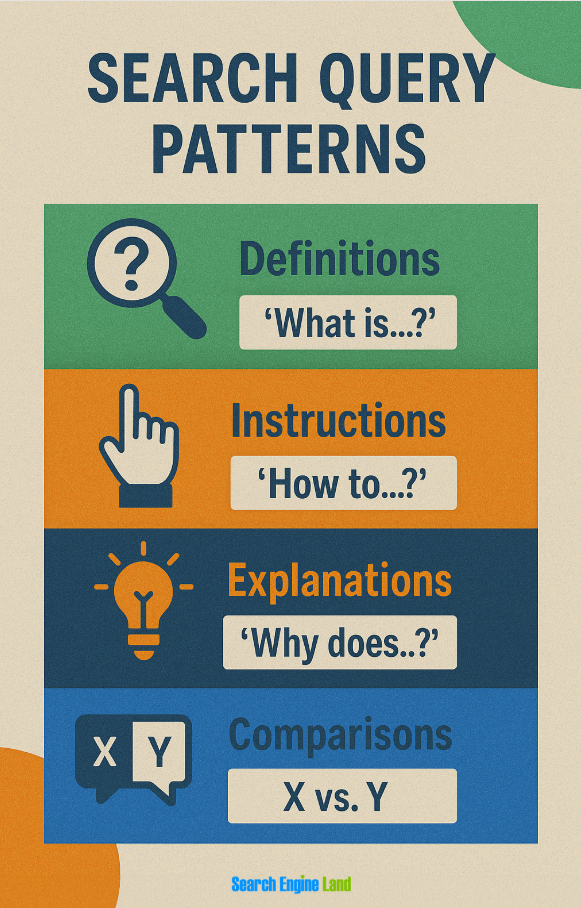
Image from Search Engine Land
Data from search queries, analytics, and user feedback reveals intent patterns—and content and site structure must reflect these patterns. Clear headings, structured data, and intuitive layouts make it easier for users to access the information they need.
Intent optimization also involves mapping content to user journeys, so each page should serve a specific purpose and guide users to the next step. This approach reduces confusion and increases engagement.
2. Content Quality and Relevance
Content quality and relevance influence both rankings and user satisfaction. Search engines assess topical depth, originality, and expertise, while users look for clarity, usefulness, and credibility.
High-quality content answers questions directly and provides context, examples, and actionable insights. It avoids filler and generic phrasing while demonstrating subject matter expertise. In fact, 83% of marketers say prioritizing quality over quantity delivers better results, underscoring the need for content that effectively addresses user intent.
Relevance depends on alignment with user intent. When content ranks highly but fails to address the query, users become dissatisfied, which leads to higher bounce rates and reduced trust. Consistent quality depends on editorial standards, expert contributions, and structured content frameworks. Regular updates maintain accuracy and relevance, whereas content audits identify gaps and opportunities for improvement.
3. Website Usability
Website usability affects how users interact with content after they click through. When users struggle to find information, they can make up to 53 rage clicks per session, often signaling frustration and potential abandonment. Effective navigation, a clear site structure, and strong visual hierarchy make information easier to access, guiding users through complex topics while reducing cognitive load. A consistent design reinforces usability and builds trust.
Aside from that, loading speed affects both usability and search visibility. Slow pages increase abandonment rates and lower engagement signals. Technical optimization, image compression, and efficient code reduce delays and improve the user experience.
Accessibility is another key factor. Inclusive design improves usability for diverse audiences and aligns with search engine accessibility guidelines, ensuring all users can engage effectively with content.
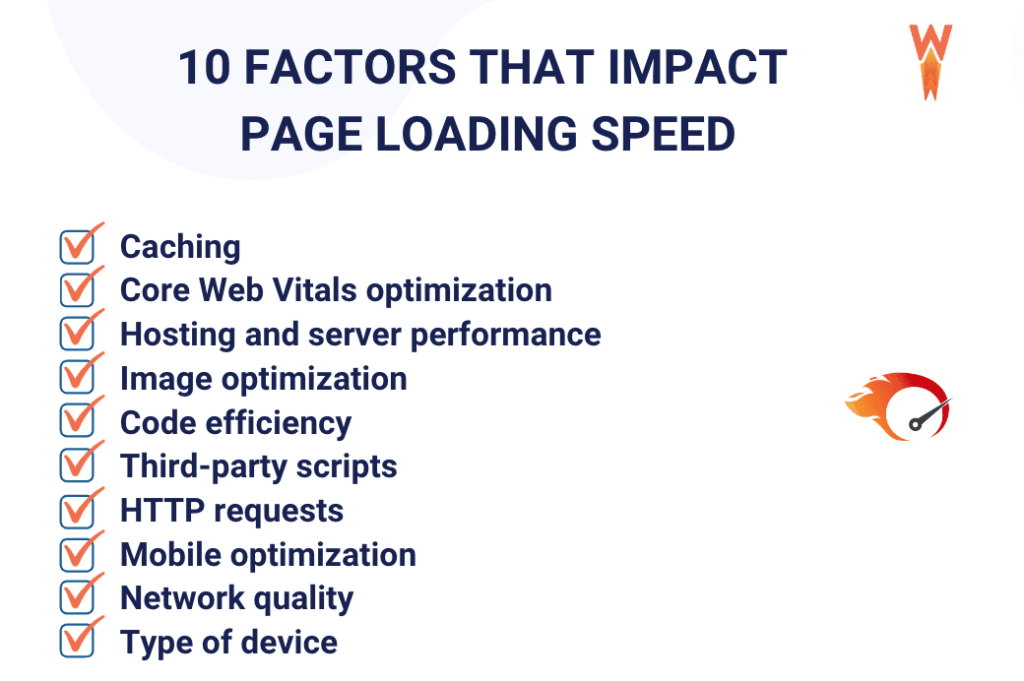
Image from WP Rocket
4. Conversion Optimization
Conversion optimization connects search visibility to business outcomes. Although users often arrive with intent, many leave without completing desired actions. Conversion optimization helps users move smoothly from intent to completion.
Clear calls to action (CTAs) guide users on what to do next, while simplified forms reduce abandonment. Meanwhile, trust signals, such as testimonials and security badges, reinforce credibility and encourage users to take action.
Mapping the user journey identifies drop-off points, A/B testing validates design decisions, and behavioral analytics reveal barriers to conversion. These methods inform effective optimizations. Search experience optimization aligns content with conversion goals.
Informational content can drive subscriptions or downloads, while comparison content can lead to purchases. Each content type supports a clearly defined conversion pathway, so every page contributes to measurable outcomes.
5. Mobile Responsiveness
Mobile responsiveness influences both user experience and search rankings. With mobile-first indexing, search engines prioritize mobile performance, and users expect consistent experiences across devices.
Considering that 95% of all mobile searches are conducted on Google, ensuring fast, adaptable mobile design is critical. Responsive design adapts layouts, images, and navigation to different screen sizes, while touch-friendly elements improve interaction. Leaner layouts reduce load times on mobile networks and help maintain user engagement.

Image from Mailchimp
Moreover, mobile responsiveness also affects conversion. Complex forms and slow page load times decrease mobile completion rates, while well-structured mobile journeys increase user success and satisfaction.
Testing and monitoring across devices and browsers ensure consistent performance and identify issues that may affect mobile users. Regular performance checks maintain a smooth experience, supporting both usability and search visibility.
Building a Roadmap for SXO Adoption
Implementing search experience optimization requires a structured approach that fits seamlessly into ongoing marketing and development initiatives. Partnering with a trusted marketing agency Philippines can provide the expertise needed to guide each step and maximize results.
To execute SXO successfully, consider these essential steps:
- Identify user intent patterns through query analysis and behavioral data
- Review and refine existing content to improve relevance and clarity
- Improve site performance, accessibility, and technical stability
- Strengthen navigation and information architecture for easier content discovery
- Apply conversion optimization techniques to guide users toward defined actions
- Adjust reporting frameworks to prioritize engagement and conversion metrics
Following this step-by-step approach enables teams to make steady progress while improving performance over time.
Unlock Full Search Potential With DMP
Clicks alone no longer define success in search marketing. Search experience optimization takes a holistic approach that prioritizes user satisfaction, content relevance, usability, and conversion efficiency. Modern search environments demand integrated strategies that align technical performance with an intuitive, user-friendly design.
Businesses that adopt SXO see stronger engagement, higher conversions, and more sustainable visibility. This is because search performance now depends on delivering value throughout the user journey, rather than simply attracting clicks.
Digital Marketing Philippines (DMP) provides search experience optimization frameworks that integrate SEO, UX, content strategy, and conversion optimization into a unified digital marketing approach. We help businesses achieve performance-driven results backed by data and user behavior insights.
Contact us today to explore how search experience optimization can strengthen engagement, improve conversion performance, and support long-term digital marketing success.
References:
https://moz.com/blog/search-experience-optimization-and-seo
https://ahrefs.com/blog/search-experience-optimization

Jomer B. Gregorio is a well-rounded expert when it comes digital marketing. Jomer is also known as a semantic SEO evangelist and practitioner. Check out our Digital Marketing Services today and let us help you in achieving positive and profitable results for your business.