
A successful digital marketing campaign depends not only on publishing content, launching advertisements, or attracting website visitors but also on measuring performance accurately. Without proper tracking, businesses may find it difficult to determine which marketing efforts produce measurable results and which areas require improvement. Metrics provide measurable insights that help marketers evaluate performance, allocate resources wisely, and refine strategies based on actual audience behavior.
Every campaign has different goals. Some focus on brand visibility, while others prioritize lead generation, sales, or customer retention. Tracking the right metrics allows businesses to evaluate whether daily marketing activities support their overall objectives. Understanding the most relevant data points helps marketers create campaigns that deliver stronger outcomes.
Below are 18 important metrics grouped according to the major stages of a digital marketing campaign:
Traffic Metrics
These metrics are monitored during the traffic generation stage and help marketers evaluate how effectively their campaigns attract relevant visitors. Knowing how to measure digital marketing performance allows businesses to identify which channels generate quality traffic and where improvements can be made. These insights support search engine optimization (SEO), pay-per-click (PPC) advertising, content marketing, social media marketing, and emerging AI-powered search experiences.
1. Overall Site Traffic
Monitoring overall site traffic helps businesses understand whether their digital marketing efforts are attracting a larger audience over time. Instead of relying only on page views or website hits, marketers should pay close attention to users, sessions, and engaged sessions within Google Analytics 4 (GA4). A steady increase in qualified traffic often indicates that marketing activities are reaching the right audience and creating opportunities for lead generation and sales.
2. Traffic Sources
Understanding where website visitors originate reveals which channels contribute most to campaign performance. Modern traffic analysis extends beyond search engines and includes organic search, paid search, direct traffic, referral traffic, social media traffic, email marketing campaigns, and AI-generated referrals. Identifying top-performing channels helps marketers allocate resources more effectively and refine strategies to maximize campaign effectiveness.
3. Mobile Traffic
Aside from understanding where visitors come from, businesses should also evaluate how audiences interact with their websites across different devices. Mobile devices now drive a substantial amount of online activity across various industries. Monitoring mobile traffic, mobile engagement, page speed, and mobile conversion rates helps businesses identify opportunities to improve the user experience. Strong mobile performance can contribute to better engagement, increased conversions, and higher customer satisfaction.4

Image from Mailchimp
4. Click-Through Rate (CTR)
Click-through rate (CTR) tracks the percentage of users who click after seeing an advertisement, search result, email, or other marketing asset. A higher CTR often indicates that messaging, targeting, and creative elements resonate with the intended audience. CTR remains an important performance indicator across both organic and paid marketing channels.
5. Cost Per Click (CPC)
Cost per click (CPC) measures the amount paid whenever a user clicks on a paid advertisement. CPC varies based on factors such as competition, audience targeting, keyword demand, and ad quality. Monitoring CPC helps marketers manage advertising budgets while maximizing traffic and campaign performance.
Engagement and Conversion Metrics
Visitor acquisition is only one part of campaign success. Businesses must also analyze how users interact with websites, content, and offers. Monitoring digital marketing KPIs allows marketers to assess engagement levels, conversion opportunities, and the effectiveness of different customer touchpoints.
6. Average Engagement Time
Average engagement time measures how long users actively interact with a website or application. This metric provides a clearer picture of audience interest than traditional time-on-site measurements. Longer engagement times may indicate that visitors find the content valuable, relevant, and aligned with their needs.
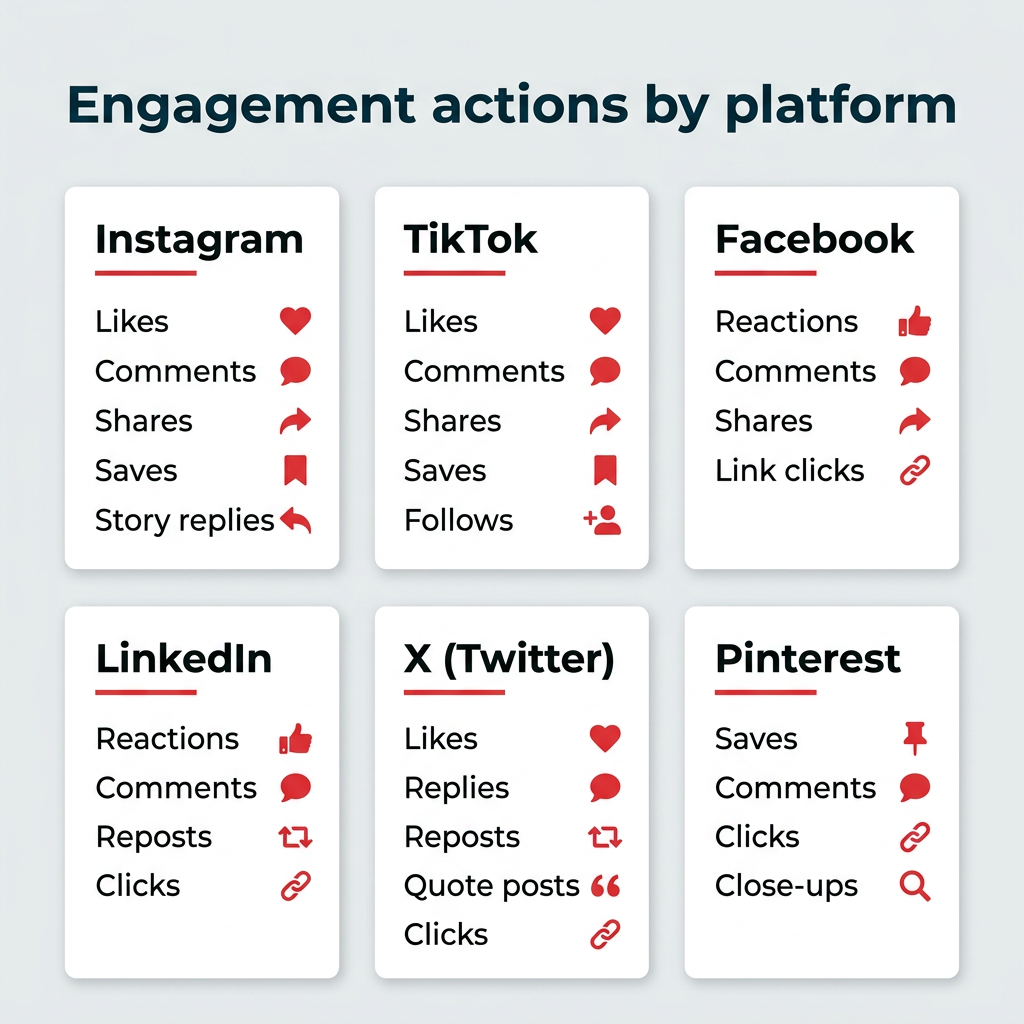
Image from Hootsuite
7. Pages per Session
Pages per session calculates the typical number of pages viewed during a visit. Higher values often suggest a stronger interest in the website’s content and a greater willingness to explore additional resources. This metric can highlight opportunities to improve internal linking, navigation, and content discovery.
8. Bounce Rate
Bounce rate reflects the number of visitors who leave a website after visiting only one page without taking further action. A high bounce rate may indicate that visitors did not find the content relevant, experienced usability issues, or did not receive enough encouragement to continue exploring the website. Monitoring bounce rate helps businesses identify pages that may need improvements in content, design, or user experience.
9. Exit Rate
Exit rate tracks the percentage of visitors who end their website session after viewing a particular page. Unlike bounce rate, which focuses on single-page sessions, exit rate considers the final page viewed during a visitor’s journey. A high exit rate on important pages may reveal areas where users lose interest or encounter obstacles before completing a desired action.
10. New vs. Returning Users
Comparing new and returning users helps marketers evaluate both audience growth and customer retention. New users demonstrate the effectiveness of acquisition efforts, while returning users may indicate continued interest, customer loyalty, and sustained engagement with products and services.
11. Conversion Rate (CVR)
Conversion rate (CVR) measures the percentage of visitors who take a desired action, such as submitting a form, downloading a resource, signing up for a newsletter, or making a purchase. Monitoring conversion rates helps identify which marketing channels, campaigns, and landing pages generate the strongest results.
12. Cost Per Lead (CPL)
Cost per lead (CPL) measures how much a business spends to generate a qualified lead. This metric helps determine whether marketing investments are producing leads efficiently and supports more informed budgeting decisions.
13. Marketing Qualified Leads (MQLs) and Sales Qualified Leads (SQLs)
Lead volume alone does not always indicate success. Marketing qualified leads (MQLs) represent prospects who have shown genuine interest in a business, while sales qualified leads (SQLs) are prospects considered ready for direct sales engagement. Tracking both metrics helps businesses evaluate lead quality alongside lead quantity.
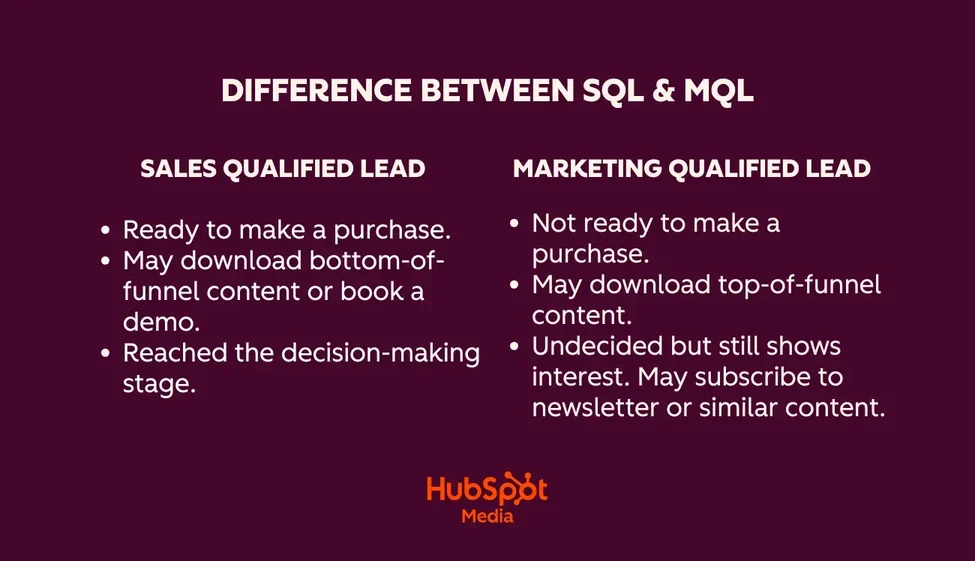
Image from HubSpot
14. Assisted Conversions
Customers often interact with multiple channels before completing a purchase or conversion. Assisted conversions measure how different touchpoints contribute throughout the customer journey, even when those touchpoints do not receive final conversion credit. This provides a more complete view of marketing performance across channels.
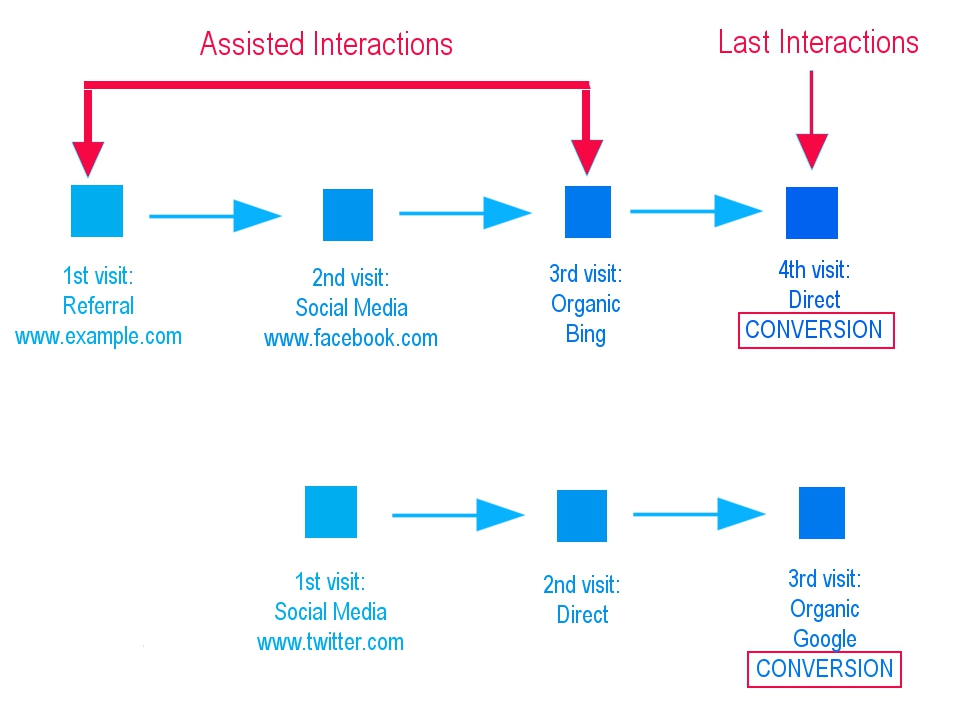
Image from Crazy Egg
Revenue Metrics
Revenue metrics connect marketing performance to business outcomes. They help determine whether marketing investments contribute to profitability and long-term growth.
15. Return on Investment (ROI)
Return on investment (ROI) measures the financial return generated from marketing activities relative to the costs involved. This metric helps businesses determine which campaigns generate the strongest financial returns and where optimization efforts should be directed.
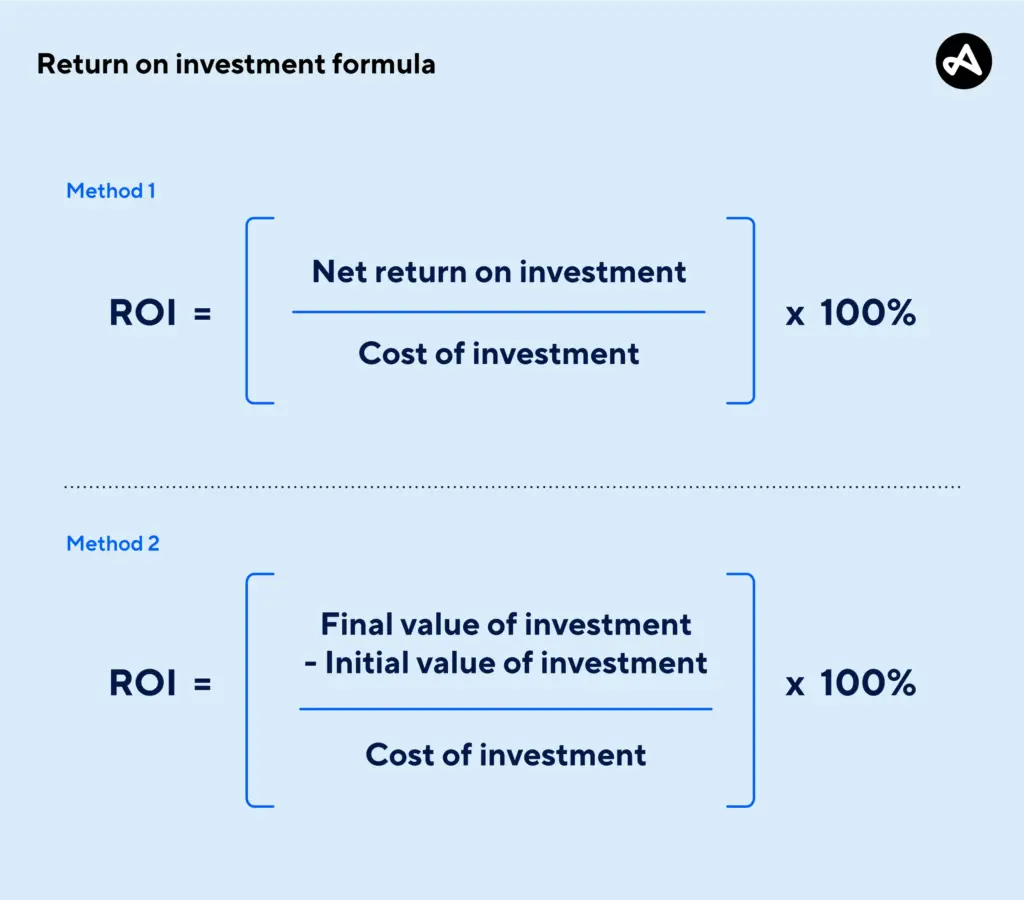
Image from Adjust
16. Return on Ad Spend (ROAS)
Return on Ad Spend (ROAS) evaluates the revenue earned in relation to advertising expenditures. It is commonly used to evaluate paid search, social media advertising, display campaigns, and other paid marketing initiatives. Higher ROAS values generally indicate more efficient advertising performance.
17. Customer Acquisition Cost (CAC)
Customer acquisition cost (CAC) calculates the average cost required to acquire a new customer. This metric includes marketing and advertising expenses spent within a given period, divided by the number of customers acquired during that timeframe. Monitoring CAC helps businesses assess the sustainability of their growth efforts.
18. Customer Lifetime Value (CLV)
Customer lifetime value (CLV) estimates the total revenue a customer is expected to contribute throughout the entire duration of their relationship with a business. Comparing CLV with CAC helps marketers determine whether customer acquisition efforts remain profitable over the long term.
Maximize Your Digital Marketing Potential With DMP
Successful digital marketing is built on understanding the story behind the data. Metrics highlight audience behavior, campaign performance, and opportunities for improvement. When businesses focus on relevant measurements instead of surface-level numbers, every marketing effort becomes more strategic, targeted, and results-driven.
As search behavior continues to shift across search engines, social platforms, and AI-powered discovery tools, businesses need a marketing agency Philippines that understands how to navigate these changes. Digital Marketing Philippines (DMP) helps brands measure what matters, optimize digital campaigns, and create strategies that connect with the right audience.
From increasing online visibility to improving conversions and maximizing marketing investments, DMP delivers customized solutions designed to support business growth across different online marketing Philippines channels.
Contact us today and let DMP help transform your digital marketing data into actionable strategies that drive measurable success.
References:
https://www.indeed.com/career-advice/career-development/digital-marketing-metrics
https://online.hbs.edu/blog/post/marketing-kpis

Jomer B. Gregorio is a well-rounded expert when it comes digital marketing. Jomer is also known as a semantic SEO evangelist and practitioner. Check out our Digital Marketing Services today and let us help you in achieving positive and profitable results for your business.