
B2B marketing in 2026 looks very different. After years of experimentation with generative AI and a more-is-more approach to content, the industry has entered a new era of sophisticated integration, driven by precision, trust, and a human-led strategy.
As online buying behavior shifts and the decision-making process becomes more complex, relying solely on outbound strategies is no longer enough to sustain a healthy pipeline.
Understanding the 2026 B2B Buyer Journey
The business-to-business (B2B) buyer journey is the complex, often non-linear process that organizations go through to identify a problem, research solutions, and select a vendor. Unlike business-to-customer (B2C) transactions, it typically involves an average of 6 to 10 stakeholders and can span 11 months or more.
Key Stages of the B2B Buyer Journey
While often non-linear, the journey is generally categorized into five (5) primary stages;
- Awareness – Buyer recognizes a business challenge or opportunity. At this stage, decision-makers seek educational content like industry reports and blog posts that help define the problem rather than specific products.
- Consideration – After defining the problem, the buyer begins researching possible solutions. They create shortlists, request demos, and consumer comparison guides and case studies.
- Decision – The buyer selects a vendor and finalizes the purchase. Price negotiations, legal and procurement reviews, and internal consensus-building usually take place during this stage.
- Implementation – The solution is deployed and integrated into existing operations. Successful implementation determines initial time-to-value and long-term customer satisfaction.
- Evaluation and Retention – Buyer assesses the solution’s impact against original goals. Success here leads to renewals, expansions, and advocacy.
Where the Journey Breaks Down in 2026
B2B marketing in 2026 is facing a whole new series of challenges. With the tech-savvy Millennials and Gen Z now representing 71% of decision-makers, most journeys now begin almost exclusively in AI-curated environments, where algorithms shape early research and vendor discovery.
Traditional sales and marketing models are struggling to adapt due to several structural breakdown points:
- The Invisible Shortlist – By the time a buyer contacts sales, they are typically 70-80% through their journey. If a brand is not visible during their independent research phase, it is likely already lost.
- AI Discovery Gap – If a brand’s content is not machine-readable for AI search engines and large language models (LLMs), it may be excluded from initial AI-curated shortlists that now dominate early discovery.
- Information Overload vs. Decision Confidence – While buyers have access to vast amounts of information, many remain over-informed but under-confident when evaluating options. In fact, Forrester reports that 86% of B2B purchases stall because buyers feel overwhelmed by competing options and internal complexity.
- Problem Misalignment Gap – There is an average 54.5% gap between how sellers and buyers perceive a core problem. Transactions often stall because sellers solve one issue while the buying committee is evaluating another.
Brands that aim to grow in 2026 must understand these factors to clearly determine how trust is built and how to earn a competitive edge in the future.
2026 B2B Trends to Look Out For
2026 will reward digital marketing strategists who prioritize thinking over producing. Since the future of B2B marketing is shaped by the ability to explain value while supporting buyer journeys and responding accurately to real-time intent, expect these trends to dominate the industry:
1. AI Search Discovery and Content Strategy
According to the Pew Research Center, Google AI Overviews are halving click rates, which represents a challenge and an opportunity for marketers. This quick access to information compresses the discovery funnel, with buyers seeing summarized information first and visiting only the most useful and trusted sources.
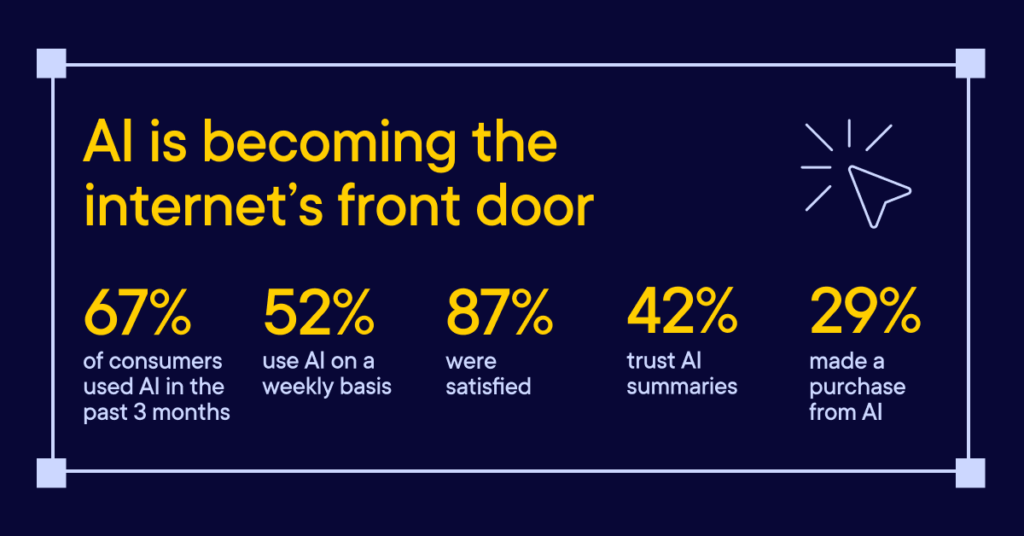
Image from Optimizely
What to Do
- Hire a B2B marketing agency for generative engine optimization (GEO) and AI search engine optimization (AI+SEO) structures.
- Use fast-insight forms like frequently-asked questions (FAQs), Q&A sections, and key takeaway blocks.
- Add entity-rich clarity pages and executive summaries that help AI systems interpret content accurately.
2. Agentic Marketing Operations
AI has since evolved from a chatbot into an integral tool for effective B2B marketing campaigns. One of the greatest B2B trends in 2026 is the emergence of agentic marketing operations, where swarms of specialized AI agents coordinate tasks across different stages of the marketing funnel. Additionally, AI agents interact with a prospect’s own buying agents during early research and evaluation.
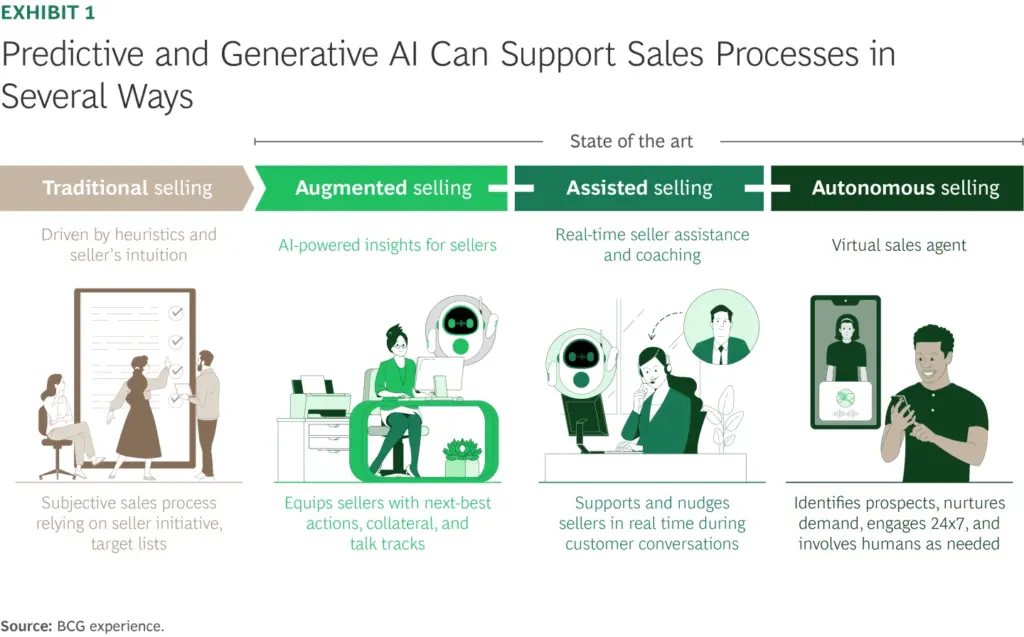
Image from the Boston Consulting Group
What to Do:
- Prioritize clean, first-party data since AI agents depend on a unified and accurate data source.
- Move beyond prompts to designing systems where specialized agents securely access real-time business data via structured protocols.
- Optimize website and product data to be machine-readable for AI agents conducting early-stage B2B research.
3. Human Expertise for Deeper Validation
While buyers expect more AI-powered automation, 19% feel less confident about their purchases because of inaccurate or unreliable information. Due to the abundance of AI-generated content, B2B buyers will increasingly seek validation from credible, real experts. This makes human expertise a crucial part of the evaluation stage of the buyer journey.
What to Do:
- Employ entity-based optimization and Experience, Expertise, Authoritativeness, and Trustworthiness (E-E-A-T) principles to build credibility and strengthen user trust.
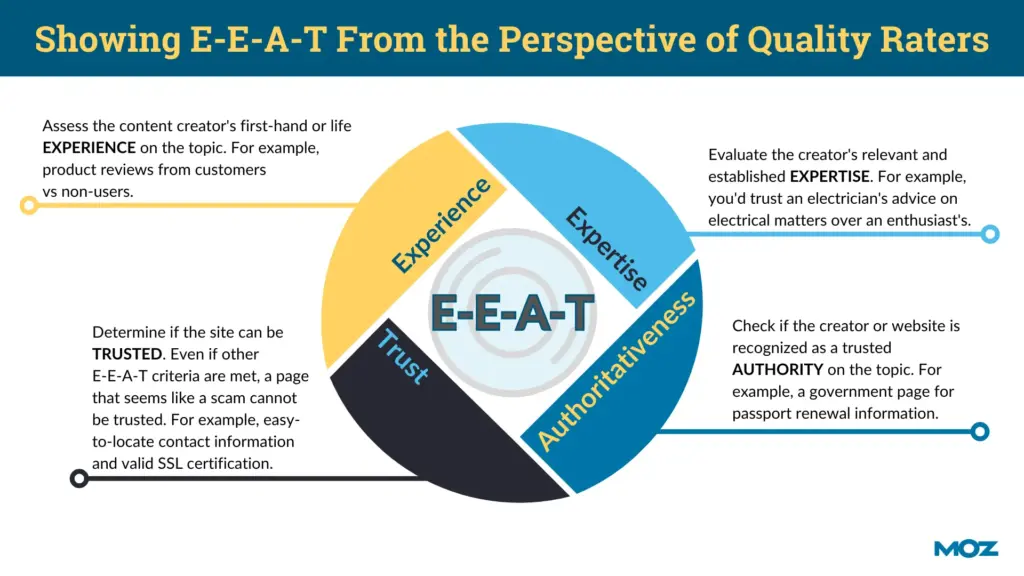
Image from Moz
- Position subject matter experts as voices of authority and embed expert commentary directly into content.
- Build dedicated validation assets such as transparent methodology documents and comparison-led content that supports buyer decision-making.
4. High-Precision Situational Personalization
Generic mass campaigns are becoming less effective in modern B2B marketing. Nearly 70% of B2B buyers now expect interactions tailored to their specific role, industry, and real-time intent. However, transactions require personalization that revolves around situational relevance based on specific buying journeys.
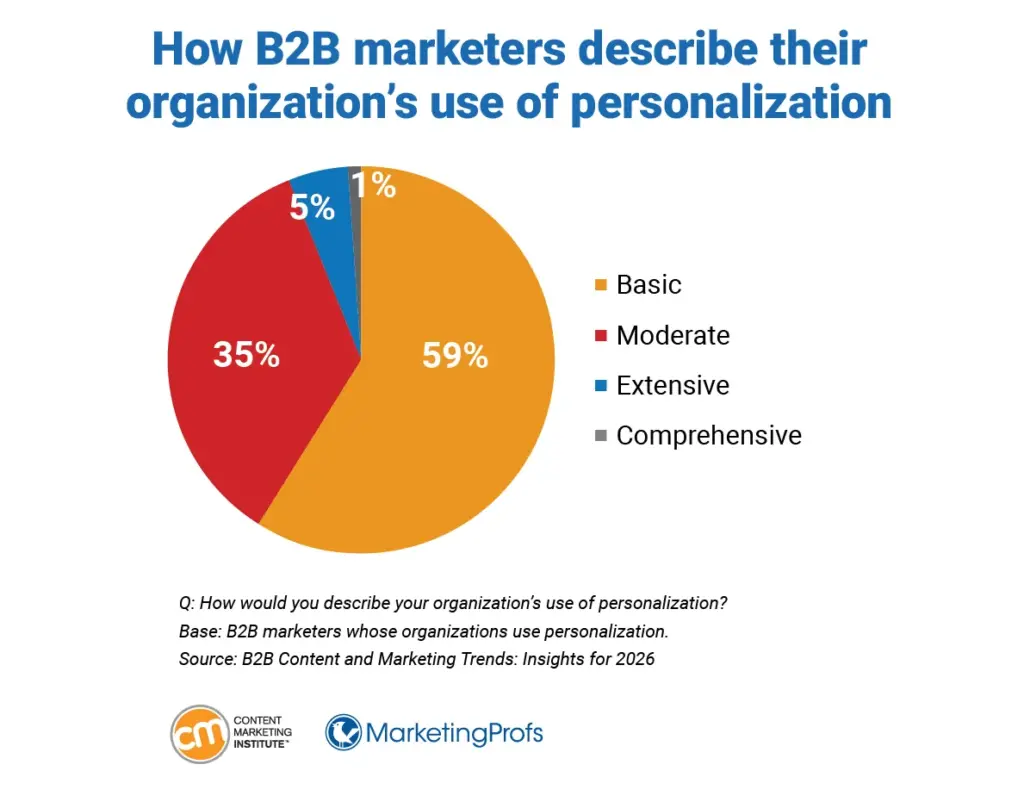
Image from Content Marketing Institute
What to Do:
- Implement intent-based personalization by integrating intent data platforms
- Build adaptable nurture paths and add on-page customization that adjusts content based on real-time buyer behavior.
- Adopt a less-is-more mindset. Producing less content but with greater precision and a better understanding of what organizations want to buy is the key to successful transactions.
5. Strategic Influencer Relations
While marketing critics perceive B2B influencer programs as too gimmicky, this strategy is surprisingly becoming effective in generating more leads. Since buyers trust peers, industry analysts, and subject-matter creators more than brand-owned content, influencer relations is now considered a core strategic channel. In fact, 67% of B2B brands are leveraging influencer marketing to boost brand awareness.
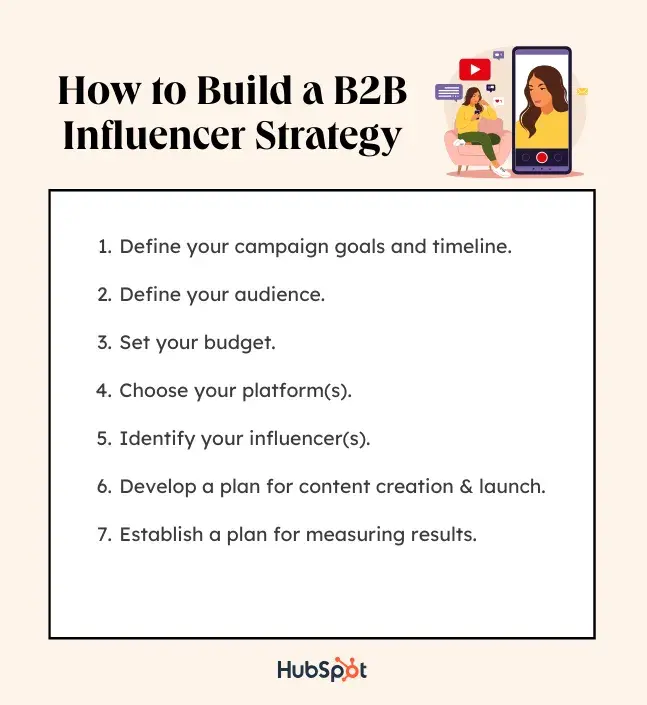
Image from HubSpot
What to Do:
- Select influencer partners based on lived experience and peer trust rather than raw follower counts.
- Invest in 6 to 12-month always-on ambassador programs to build compound credibility.
- Align incentives by combining base production fees with performance-based bonuses tied to measurable pipeline impact.
Put These B2B Trends Into Action With DMP
2026 is the year that will reward companies that best explain who they are and why they are the answer to today’s customers. The future of B2B is shrouded in trust, clarity, and operational alignment, with AI technologies and human expertise working together to maximize digital relevance and long-term growth.
Knowing what to expect in 2026 B2B is only half the equation. At Digital Marketing Philippines (DMP), we turn insights into actionable strategies that drive real results. With over a decade of providing proven digital marketing strategies to brands globally, we are more than ready to help your business adapt to the new B2B landscape, regardless of your industry.
Contact us now to start delivering meaningful campaigns that align with today’s complex buyer journeys.
References:
https://www.solutions.kompass.com/blog/the-future-of-b2b-marketing-2026-martech-salestech-trends/
https://commercetools.com/blog/predictions-shaping-b2b-digital-commerce
https://hubspot-state-of-marketing-2026.replit.app/#foreword
https://newsroom.fedex.com/newsroom/global-english/these-b2b-business-trends-are-defining-2026

Jomer B. Gregorio is a well-rounded expert when it comes digital marketing. Jomer is also known as a semantic SEO evangelist and practitioner. Check out our Digital Marketing Services today and let us help you in achieving positive and profitable results for your business.