
For years, the relationship between social media and search engine optimization (SEO) has sparked debate among digital marketers. Marketers frequently observe a strange phenomenon in which content goes viral on TikTok or LinkedIn, and shortly after, its organic search traffic sometimes increases.
This correlation naturally raises a compelling question: Do search engines use social signals to decide which pages rank among the top 10 results on search engine results pages (SERPs)? The short answer is no, although social activity can still influence search visibility indirectly.
What Are Social Signals?
Social signals refer to the public engagement metrics and interactions that a brand or piece of content generates from social media platforms.
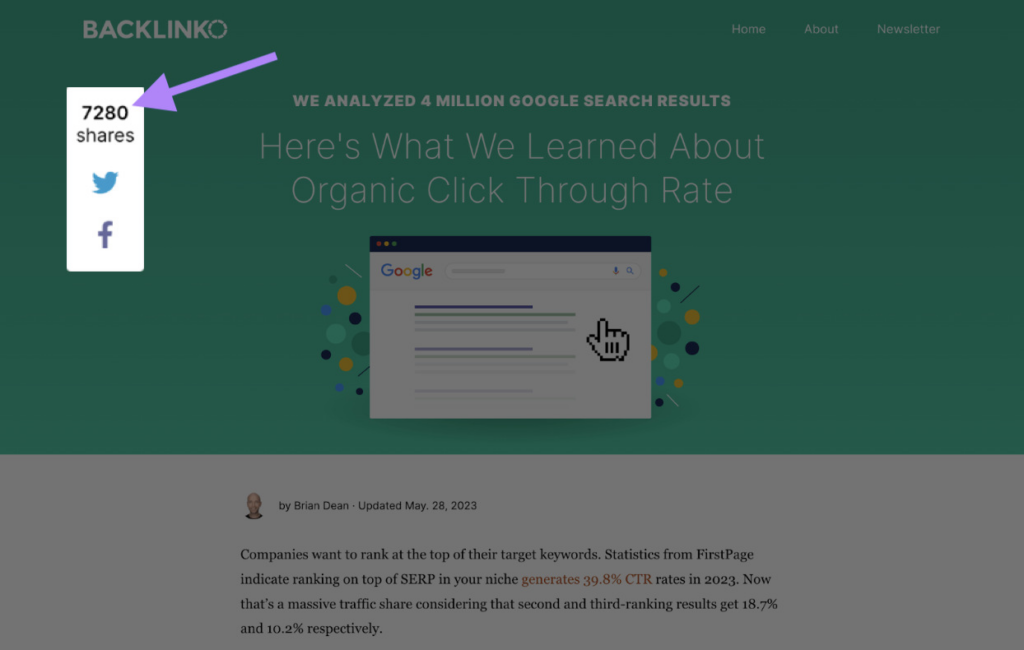
Image from Semrush
They act as digital word-of-mouth indicators, showing how much an audience likes, trusts, and relates to a business. Key types of social signals include:
- Likes and reactions
- Shares and reposts
- Comments and replies
- Brand mentions and tags
- Followers and subscribers
- Click-through rate
3 Major Myths About Social Signals and SEO
The connection between search engines and social media is heavily obscured by misinformation. Despite Google repeatedly confirming that social signals are not a direct ranking factor, many digital marketers still strongly believe there is a real correlation between social media and SEO, even if the causation isn’t.
To build an effective digital visibility strategy, it is vital to separate wishful thinking from technical reality:
Myth 1: Google Treats Every Share as a Backlink
A common social signals SEO myth is that when someone shares a blog post on Facebook or LinkedIn, Google counts that share as a traditional backlink.
In reality, the vast majority of links posted on social media networks are automatically appended with rel=” nofollow” or rel=” ugc” (user-generated content) tags. These link attributes signal search engine crawlers not to pass traditional link equity to the target URL. Even a million shares on Facebook would not pass the same link equity as a single editorial contextual link from an authoritative news site.

Image from Backlinko
Myth 2: The Google Algorithm Counts Retweets and Likes
Many marketers believe Google’s algorithm possesses a counter that tracks the exact number of likes, retweets, or shares a URL receives and uses those figures to evaluate content quality. This claim is false.
Back in 2014, Google’s Matt Cutts famously clarified that Google treats social media pages just like any other standard web page. Google may crawl those pages when possible, but platform engagement metrics are not used as a direct ranking signal. One reason is that relying on automated counts of likes or shares could make ranking systems more vulnerable to manipulation via click farms and bot networks.
Myth 3: High Follower Counts Guarantee Faster Indexing
While having a massive, active social media presence can attract attention, simply possessing a large follower count does not give a website priority in Google’s crawling queue.
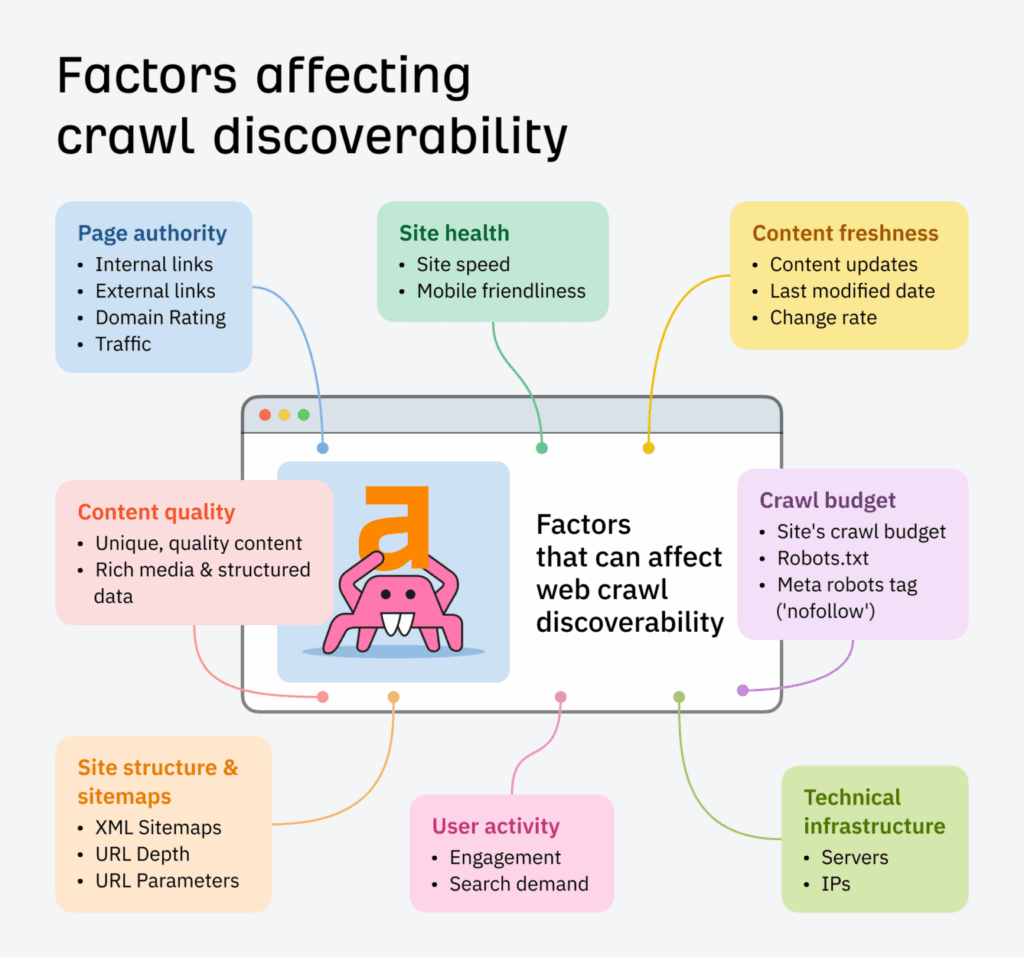
Image from Ahrefs
Google’s crawlers do not prioritize a URL simply because a social account with a million followers tweeted it. How quickly a URL is discovered and indexed depends on factors such as crawl capacity, technical site health, internal linking, and the ways search engines encounter the URL, rather than the follower count of the account that shared it.
Why Social Signals Still Matter
If social signals do not directly influence rankings, why do websites with strong social engagement consistently dominate the search results?
The answer lies in indirect SEO benefits. Social media acts as an amplifier, accelerating the exact outcomes that direct ranking factors reward.
Social Signals as a Link Generation Engine
The single greatest ranking factor in SEO remains a strong backlink profile, particularly when they come from relevant and authoritative websites. Earning backlinks starts with getting content in front of people who may find it useful enough to reference, and social media can expand that initial exposure.
While social share itself does not boost SEO, it serves as a bridge to earning backlinks. When a brand publishes an insightful article and promotes it across social media channels, it is exposed to a broader audience that includes bloggers, journalists, industry influencers, and website owners. If an industry influencer sees a brand’s infographic on LinkedIn and decides to reference it in their upcoming blog, the business just earned a high-quality backlink.
Accelerated Content Indexing
Search engine bots are constantly crawling the web, but discovering new content on a deep website architecture can take time.
Because major social media platforms like Reddit and X (formerly Twitter) are crawled incredibly frequently due to their real-time nature, posting fresh content on these networks increases the likelihood of a search bot discovering the link quickly. While it does not guarantee instant indexation, social distribution reduces the lag time between clicking publish and appearing on Google.
Boosting Brand Authority and E-E-A-T
Google places a massive emphasis on Experience, Expertise, Authoritativeness, and Trustworthiness (E-E-A-T), and brand reputation is the cornerstone of this evaluation.
When a business maintains active social channels, responds to customer queries, and shares thought-leadership content, it can strengthen its online presence and brand recognition. As the brand’s social footprint expands, more users begin searching for it directly on Google, signaling to the algorithm that its website is a trusted authority in that niche.
Maximizing Real Estate on SERPs
SEO used to be about the standard blue links on a search page. The modern SERPs, however, are highly visual and interactive features, with Google now integrating social media elements directly into search results.
For many branded queries, Google will often display a carousel of a company’s recent tweets or showcase their official YouTube videos at the top of the page. Optimizing social signals and profiles enables businesses to control more digital real estate on their branded search results, pushing competitors to the bottom of the SERP.
Generating Immediate, High-Quality Referral Traffic
A competent marketing agency in the Philippines understands the value of social media for generating traffic faster. While SEOs wait weeks or months for a new keyword to rank organically, social media can drive thousands of target users to a site almost instantly. This referral traffic provides businesses with useful behavioral and conversion data, helping them understand how audiences respond to the content.
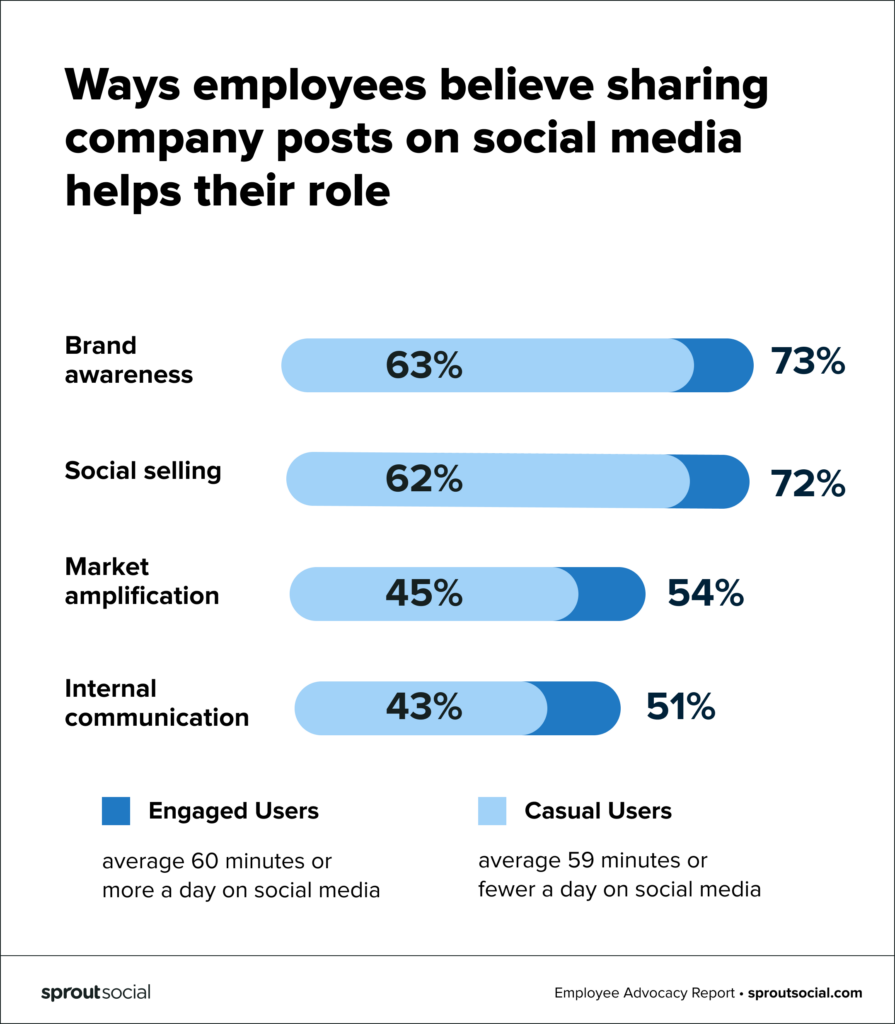
Image from Sprout Social
If those referral visitors stay on the brand’s website, explore multiple pages, interact with tools, and buy products, those positive user-engagement signals confirm that the business site provides a high-quality user experience. These insights can then inform content, UX, and conversion improvements that support broader SEO and marketing goals.
How to Optimize Content to Leverage Social Signals
For businesses comparing social media management pricing packages in the Philippines, SEO should be considered alongside the broader value of social media. A holistic strategy blending traditional search and social media can boost a brand’s reach across multiple touchpoints.
To turn social engagement into tangible SEO gains, brands must design content to be easily shared and discovered using the following strategies:
- Implement Open Graph Tags – Websites must use Open Graph (OG) meta tags to control how page titles, descriptions, and images appear when content is shared across platforms such as Facebook, LinkedIn, X, or Reddit.
- Embed Visual Layouts – Create highly shareable visual assets within articles, such as charts, quotes, and mini-infographics. These assets are easily screenshotted and shared on social networks, driving traffic back to the source.
- Add Visible Share Buttons – Do not make users hunt for a way to share content. Instead, use floating or sticky sharing buttons on blog posts so readers can distribute the content with a single click.
- Build Relationships with Creators – Tag relevant sources referenced in articles, participate in industry threads, and build an audience of creators who are likely to link back to resource pages.
Adapt a Holistic Digital Ecosystem Today With DMP
The debate over whether social signals are a direct ranking factor misses the bigger picture. In modern digital marketing, SEO and social media are interconnected gears within a single organic marketing engine.
Don’t let myths prevent you from the ultimate discovery and link-building catalyst. Digital Marketing Philippines (DMP) can help you build a highly resilient, authoritative online presence that dominates both the feeds and the search results. With over a decade of experience in providing sustainable, data-driven online marketing in the Philippines, our team ensures your brand stays at the top of its game.
Contact us today to grow your business through smarter, more connected SEO and social strategies.
References:
https://ahrefs.com/blog/social-signals
https://www.searchenginejournal.com/matt-cutts-explains-important-social-media-signals-really/87277
https://www.shopify.com/ph/blog/social-signals-seo

Jomer B. Gregorio is a well-rounded expert when it comes digital marketing. Jomer is also known as a semantic SEO evangelist and practitioner. Check out our Digital Marketing Services today and let us help you in achieving positive and profitable results for your business.