
Technical search engine optimization (SEO) was straightforward in its principles: make a website fast, secure, and easy for search engines to index. But now that artificial intelligence (AI) has changed how users search for information online, 2026 technical SEO will shift from simply helping bots crawl to ensuring AI understands and cites content accurately.
How Technical SEO Differs in Traditional and AI Search
Technical SEO used to be about helping bots rank pages; AI SEO is about helping large language models (LLMs) synthesize data. While the fundamentals overlap, the technical focus has changed from lexical matching to semantic extraction:
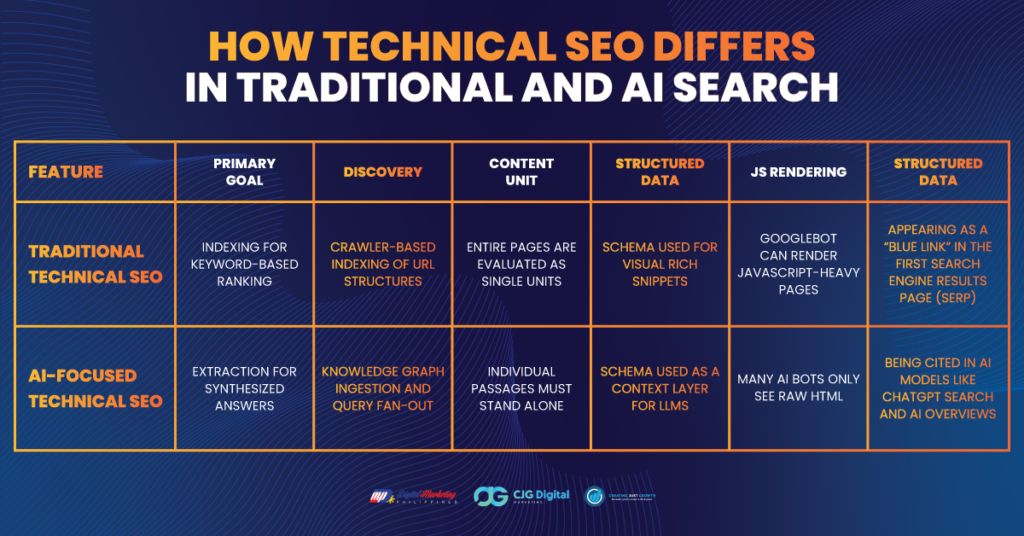
What Should be Included in an AI Technical SEO Checklist
In 2026, technical SEO still relies on the foundational elements of traditional SEO practices. The difference, however, is that it will focus on getting AI models to understand site content, allowing LLMs to cite the page as an answer to user queries.
1. AI-Readiness and Agentic Optimization
The future of SEO is machine-readability. This means sites must be designed to be effectively understood, navigated, and utilized by autonomous AI agents.
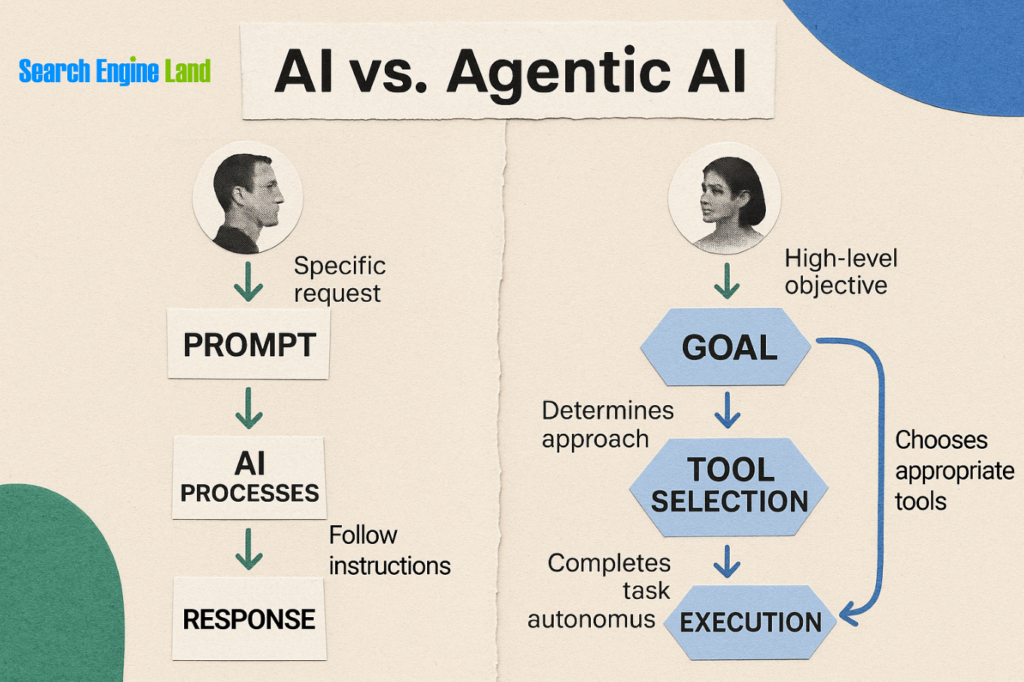
Image from Search Engine Land
With 81% of users leveraging AI assistants to improve their shopping experience, agentic optimization is required to transform websites from static displays into functional data repositories.
- Machine-Readable Structure – Use high-fidelity Schema.org markup, such as Product, Review, and Action, to define what the page is and what an agent can do with it.
- Semantic Chunking – Organize data into concise, logical headers. AI agents ingest data in chunks, and a clear hierarchy helps them reason through information from pages.
- API-First Content – Ensure product metadata is accessible via JSON-LD or public application programming interfaces (APIs) so agents can retrieve real-time pricing and availability without scraping.
- Conversational Logic – Answer specific, multi-step queries to become the primary source for complex decision-making tasks.
2. Core Web Vitals (CWV) and Speed
A site’s technical foundation must be instantaneous to remain competitive in today’s AI-driven search landscape. High-performance sites help AI models retrieve reliable data and deliver a smooth user experience.
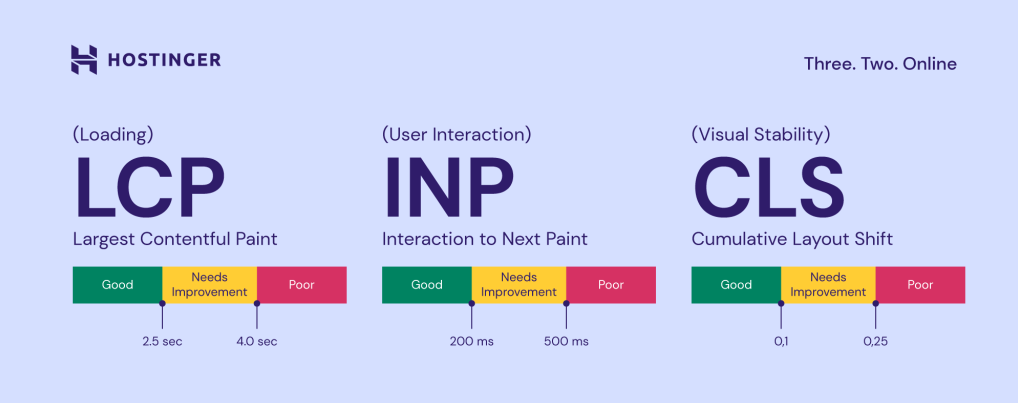
Image from Hostinger
- Largest Contentful Paint (LCP) – Accelerate the hero element by utilizing Fetch Priority hints and preloading critical images. Also, consider transitioning to formats like AVIF to minimize payload without sacrificing quality.
A good LCP score is under 2.5 seconds or less.
- Interaction to Next Paint (INP) Mastery – Since INP replaced First Input Delay (FID), focus on minimizing main-thread blocking. Break long tasks into smaller chunks using scheduler.yield() and offload non-essential JavaScript to Web Workers to keep interactions fast.
A good INP score is under 200 milliseconds or less.
- Cumulative Layout Shift (CLS) – Prevent layout jumps with explicit width and height attributes for all media. Use content-visibility: auto to manage rendering for off-screen elements without shifting the page.
Aim for a CLS score of 0.1 or less.
- Edge Computing Deployment – Move logic closer to the user via Edge Functions. This reduces Time to First Byte (TTFB) and enables real-time, localized content personalization at the network edge.
3. Advanced Crawlability and Indexation
Search engines and AI crawlers operate under strict resource constraints, so every wasted crawl cycle reduces visibility. With nearly 25% of all bot requests coming from AI, optimizing crawlability is critical to ensure content is indexed efficiently.
- Deploy llms.txt and llms-full.txt – Place these Markdown files in the root directory to provide a high-density, text-only roadmap.
- Prioritize Server-Side Rendering (SSR) – Many AI crawlers skip complex JavaScript. Instead, use SSR to deliver fully rendered HTML.
- Crawl Budget Optimization – Eliminate “crawl traps” by fixing redirect chains and 404s. Moreover, use rel=”nofollow” on non-essential faceted navigation to ensure bots spend resources on core knowledge pages.
- Flat Site Architecture – Minimize click depth by implementing a flat hierarchy. This ensures every page is reachable within 3-4 clicks, helping AI agents map the site’s logic without getting lost in directories.
- Strategic Internal Link Structure – Use descriptive, semantic anchor text to build topic clusters. Linking related concepts allows agents to understand context and relationships, reinforcing domain authority.
4. Security and Modern Standards
Site security is a core principle of technical SEO. Since AI-driven search prioritizes Experience, Expertise, Authoritativeness, and Trustworthiness (E-E-A-T), ensuring a safe and reliable website is foundational to AI visibility.
- HTTPS Everywhere – According to Google’s Transparency Report, over 90% of websites use Hypertext Transfer Protocol Secure (HTTPS). Use HTTPS only and enforce HSTS (HTTP Strict Transport Security) to mandate secure connections.
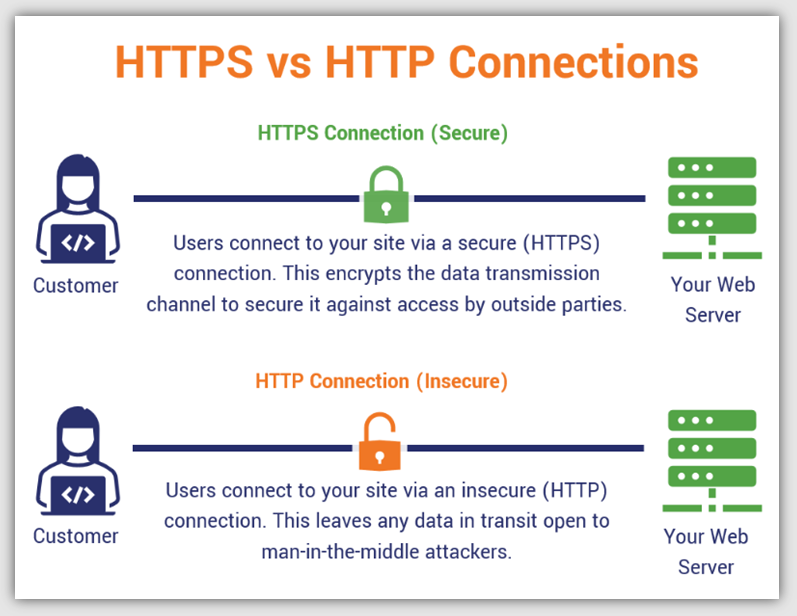
Image from The SSL Store
- Advanced Security Headers – Deploy headers like Content Security Policy (CSP) and X-Content-Type-Options to prevent code injection and MIME-sniffing.
- Adopt IPv6 Support – Ensure the server is future-proofed with IPv6. Many modern crawlers and AI nodes use this to free up space for more efficient, high-scale indexing.
5. Mobile-First and Accessibility
Research by MobiLoud found that mobile traffic accounts for 62–64% of all internet traffic worldwide. Because Google now utilizes mobile-first indexing, a flawless mobile and accessible experience is non-negotiable for high-authority indexing.
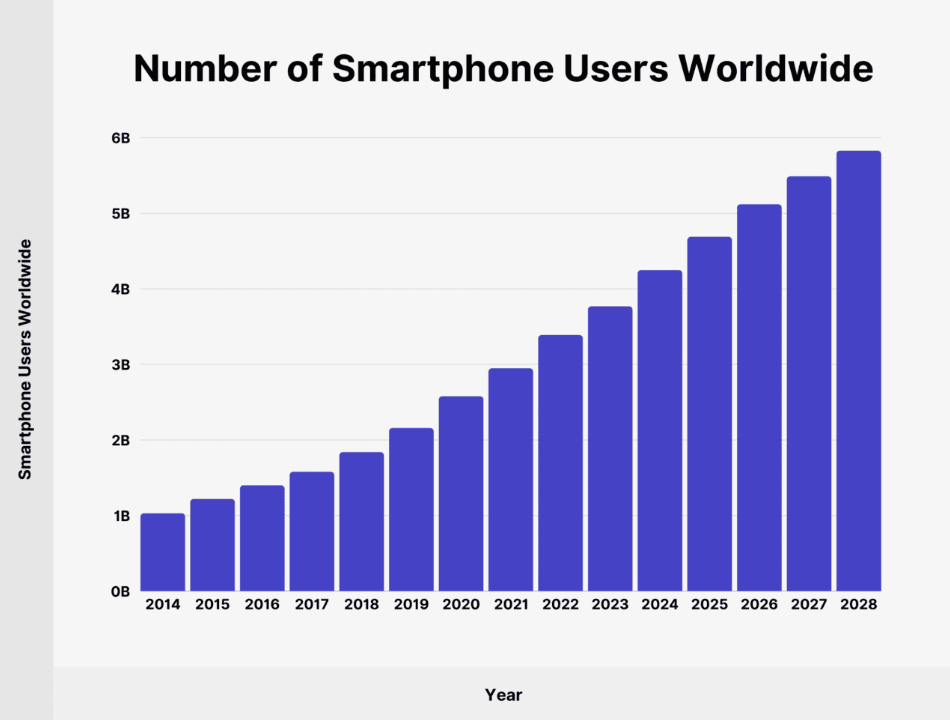
Image from Backlinko
- Prioritize Mobile-First Indexing – One key aspect of a great web design is that the mobile version mirrors the desktop in content and structured data. Testing all elements on mobile first ensures no critical content is hidden or missing.
- Web Content Accessibility Guidelines (WCAG) Compliance – Besides preventing legal consequences, following WCAG is increasingly important for 2026 technical SEO. Missing compliance, such as missing alt text, can cause a site to be ignored by AI, directly affecting visibility.
Ongoing Monitoring and Audits
2026 Technical SEO for AI optimization is not a one-time setup. These practices require continuous validation to ensure AI crawlers and search engines interpret a site correctly. Regular monitoring helps catch issues before they erode visibility.
- Run Monthly Audits – Use tools like Screaming Frog or Sitebulb to detect broken links, redirect chains, and canonical errors.
- Check Google Search Console (GSC) Indexing – Review the Indexing report in GSC to identify “Crawled – currently not indexed” pages and resolve gaps.
- Validate Schema – Test structured data with Google’s Rich Results Test to confirm accuracy and eligibility for enhanced search features.
- Professional Assistance – Working with a reliable technical SEO agency ensures consistent performance monitoring and improvement.
Upgrade Your AI Indexation Strategy With DMP
Despite the revolutionary shifts affecting the search landscape, technical SEO is still considered a critical component of a site’s overall ranking and visibility. A well-established technical SEO acts as a quality control system that reduces risks and protects performance at scale.
Having a checklist is one thing, but knowing how to implement it is another. At Digital Marketing Philippines (DMP), we turn these steps into a real competitive advantage.
With over a decade of providing comprehensive SEO solutions to global brands, we are a leading marketing agency Philippines at the forefront of AI visibility. Our experienced team and proven strategies can push your brand’s name to the top of the list, whether in traditional search engines or AI-powered platforms.
Contact us today to make your site a reliable source that AI engines cannot overlook.
References:
https://dashthis.com/blog/technical-seo-checklist
https://searchengineland.com/ai-search-visibility-seo-predictions-2026-468042
https://medium.com/write-a-catalyst/technical-seo-checklist-for-2026-624975caaf0d
https://www.yotpo.com/blog/full-technical-seo-checklist
https://ahrefs.com/blog/seo-ai-search-checklist

Jomer B. Gregorio is a well-rounded expert when it comes digital marketing. Jomer is also known as a semantic SEO evangelist and practitioner. Check out our Digital Marketing Services today and let us help you in achieving positive and profitable results for your business.