
Local visibility no longer depends on simple directory listings or basic keyword placement. Search behavior now reflects deeper signals such as intent, proximity, and context. Businesses that want sustained traction must align with how search engines interpret local relevance. That shift shapes how client growth in 2026 unfolds across industries.
A structured approach connects businesses with audiences who already show interest. Each step builds a clear path from discovery to conversion.
Understanding How Local Search Has Changed
Local search now works more like an “answer engine.” Instead of directing users to multiple websites, search platforms often present information directly on the results page. This shift contributes to zero-click searches and reduces organic click-through rates by as much as 58%. AI-generated summaries and the Local 3-Pack already display key details such as business hours, reviews, and directions. Because of this, visibility is not limited to website visits. It also relies on the relevance and completeness of business profiles within search results.
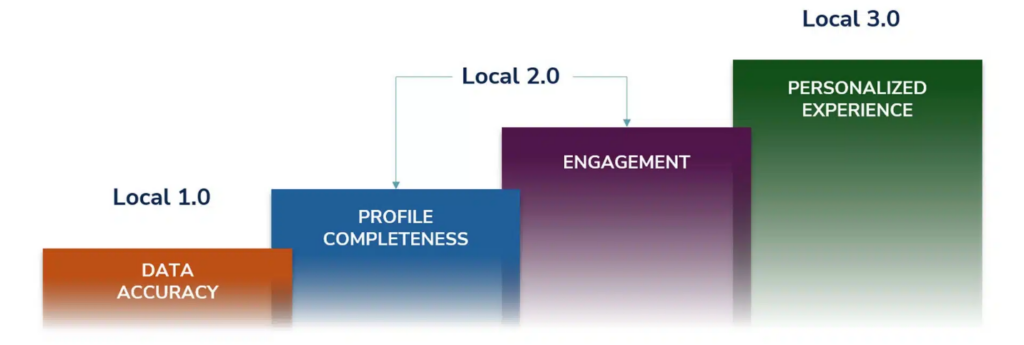
Image from Search Engine Land
Moreover, search doesn’t stay in one place or within Google alone anymore. People now move across different channels depending on their needs. For example, map apps like Apple Maps and Waze influence real-time choices, especially for nearby services. Social platforms such as TikTok and Instagram have become common tools for discovering local businesses, with over 41% of Gen Z users relying on them for search discovery. Then there are AI tools like ChatGPT and Perplexity, which provide direct answers without requiring traditional browsing. With these changes, businesses need consistent and accurate information across all platforms, not just Google.
Another shift comes from how search engines interpret location. More focus is now placed on specific neighborhoods rather than broad city rankings. Visibility within a smaller, highly relevant area often carries more value than ranking across an entire city.
For example, a coffee shop in Makati may attract more customers by appearing in searches like “coffee shop near Ayala Triangle” rather than competing for “coffee shop in Metro Manila.” Searches connected to familiar landmarks often signal immediate intent, especially when users are nearby and ready to visit.
Core Elements of Local SEO Visibility
Local SEO visibility in 2026 is built on a set of core elements that influence how businesses appear in search results. When these are in place, it becomes easier to connect with the right audience.
Accurate and Optimized Business Listings
Accurate business information builds trust with both users and search engines. Name, address, and contact details should be the same wherever people find them online.
Profiles such as Google Business listings should include updated hours, correct categories, and clear descriptions. Adding rich content such as photos, FAQs, and menus helps build credibility and encourages more interaction, which also influences how businesses appear in search, maps, and voice results.
A strong local SEO presence begins with reliable and complete information.
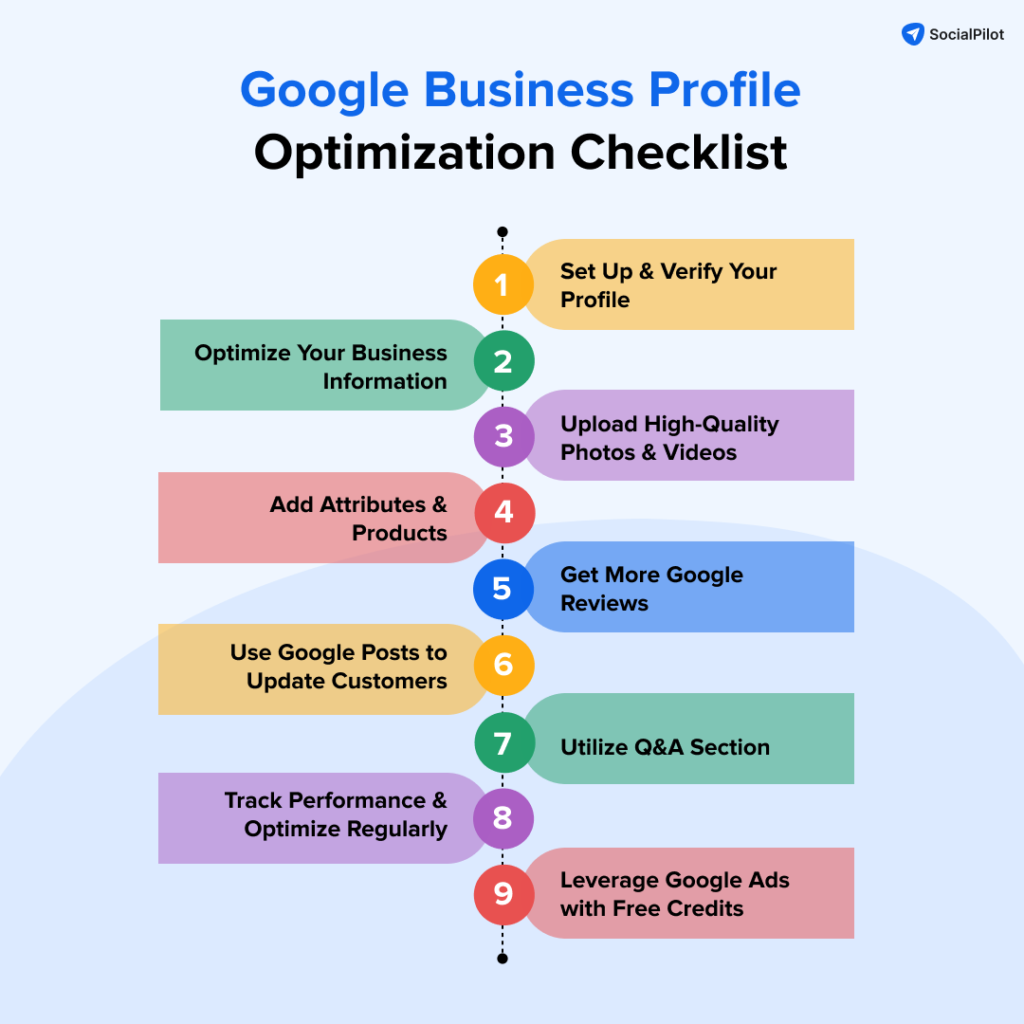
Image from SocialPilot
Geo-Targeted Visibility
Targeting specific areas improves visibility for relevant searches. Businesses can focus on neighborhoods, districts, or service zones. Data shows that 76% of people who search for a nearby business visit within 24 hours, underscoring how powerful location-based intent can be.
SEO geo-targeting connects content with users actively searching within those locations. For smaller companies, small business geo-targeting narrows the audience to those most likely to convert. This approach increases relevance and supports stronger engagement.
Furthermore, each location-based page should offer something unique, as repetitive content can weaken search performance and reduce impact.

Image from Mailchimp
Hyper-Local Content Relevance
Content should address specific concerns within a target area. Generic brand messaging often fails to connect with users who search with clear intent.
Content that highlights nearby streets, districts, or popular spots improves relevance. These details make content more useful and easier to relate to, helping businesses connect with the right audience more effectively.
With a structured local SEO strategy, content stays aligned with what users expect to find.
How Businesses Can Build a Local SEO Strategy for 2026
Local SEO strategies is changing fast, and what worked before may no longer be enough. Businesses need a more focused approach to stay visible and relevant in today’s search landscape. Here are the key strategies to help make that happen:
1. Adopt an AI-First SEO Approach
AI is now shaping how local search results are selected and displayed. With around 26% of search queries already influenced by AI summaries, businesses need to adapt by optimizing their content for conversational and multimodal queries.
Search systems often gather details from platforms like maps, listings, and directories, so accuracy across these sources directly affects visibility. Keeping business information up to date and maintaining a well-managed business profile help ensure the right details are captured and displayed.
At the same time, adding structured data to web pages makes it easier for search engines to understand key information, which can increase the chances of being included in AI-generated answers.
2. Optimize for Local Intent and User Experience
User intent drives every local search. Businesses need to align content with what users expect to find, including direct answers, easy navigation, and relevant information, all of which contribute to a better experience.
Landing pages should deliver direct value, especially for users searching with a specific goal. Content that guides users efficiently helps reduce friction and improves engagement.
Mobile optimization also remains essential since most local searches happen on mobile devices. Fast loading speeds and responsive design contribute to better user experience and stronger ranking signals.
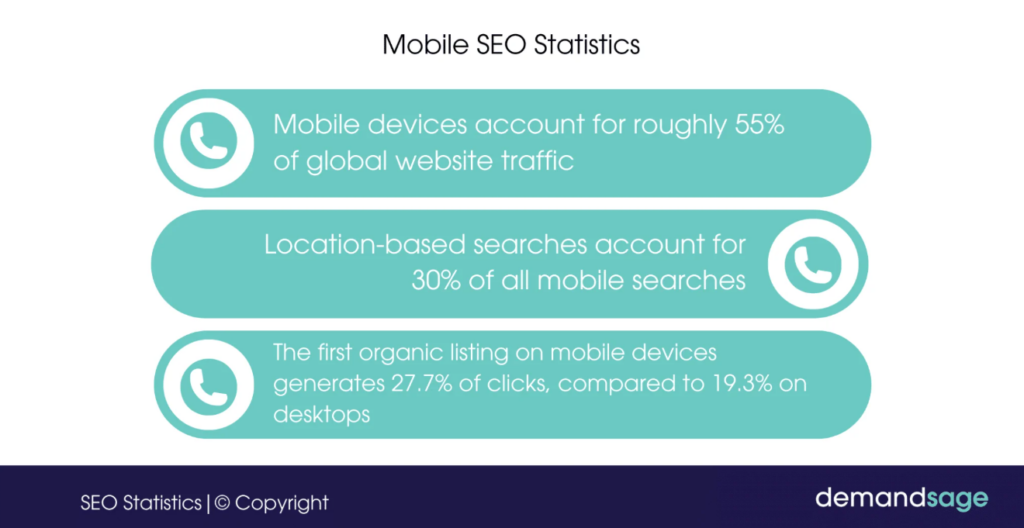
Image from Demandsage
3. Leverage Reviews and Reputation Signals
Reputation has a direct impact on local visibility. Search engines look at both the number and quality of reviews, with positive feedback strengthening trust signals, especially since 32% of customers rely on ratings and reviews when making a purchase.
Businesses should ask satisfied customers to leave reviews. That process must feel natural and genuine, as forced or scripted reviews often come across as inauthentic.
Responding to reviews builds credibility and shows attention to customer experience. Even negative feedback provides an opportunity to demonstrate professionalism.
With consistent engagement, businesses can support long-term growth, strengthen trust, and build stronger connections with their audience.
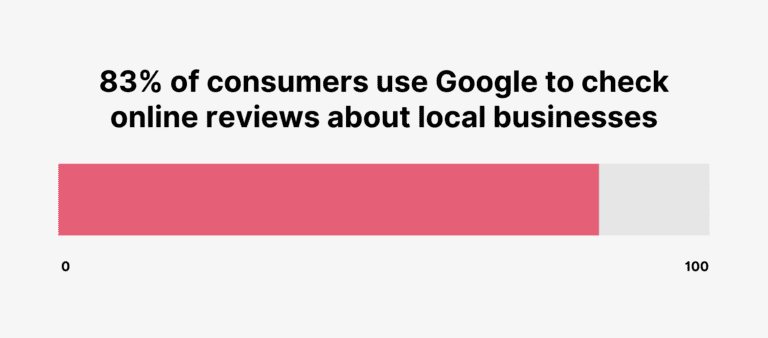
Image from Backlinko
4. Align Local SEO With Broader Marketing Efforts
Local optimization works best when integrated with other strategies. Content marketing, social media, and paid campaigns should support each other to create a more cohesive presence.
A B2B marketing agency often integrates local SEO strategies with targeted outreach, aligning messaging across multiple channels. This approach strengthens brand presence while improving conversion rates.
Cross-channel alignment remains essential. Messaging should stay consistent across platforms, helping build recognition and trust over time.
5. Track Performance and Refine Over Time
Measuring performance helps identify what works and where improvements are needed. Metrics like traffic, engagement, and conversion rates provide a clear view of progress. Regular audits help maintain consistency across listings, content, and technical structure. They highlight areas that need attention and allow for timely adjustments.
As search behavior continues to change, regular updates become essential. Strategies that adapt to these shifts tend to perform better over time.
Continuous refinement strengthens overall performance and supports sustained growth.
Expand Local Reach Effectively With DMP
The way people discover local businesses has changed, and staying visible means meeting customers where they search. By focusing on precise listings, hyper-local content, and smart optimization, businesses can connect with the right audience and turn visibility into results.
Partner with the team at Digital Marketing Philippines (DMP) to create a local SEO strategy designed for real impact. Our experience helping businesses connect with nearby clients and optimize across multiple platforms ensures your brand stays ahead in highly competitive markets.
Contact us today to start driving measurable client growth in 2026.
References:
https://searchengineland.com/ai-local-search-visibility-roi-456272
https://www.semrush.com/blog/how-to-improve-local-seo

Jomer B. Gregorio is a well-rounded expert when it comes digital marketing. Jomer is also known as a semantic SEO evangelist and practitioner. Check out our Digital Marketing Services today and let us help you in achieving positive and profitable results for your business.