
Google’s February 2026 Discover Core update has already made a noticeable impact on how content appears in personalized feeds. Like previous Core updates, this update affects performance across different industries. However, this release goes beyond the usual update and signals a clearer shift in how Google determines which content appears first.
Compared with conventional search updates, Google Discover surfaces content through interest matching rather than keyword matching. The February 2026 Core update changes highlight relevance, clarity, and expertise, signaling a new approach to how articles are recommended and consumed.
How Google Discover Works and Displays Content
At its core, Google Discover functions as a personalized content feed. It shows articles, videos, and updates based on what users have interacted with before. That includes search history, browsing behavior, and even app activity.
Because of this, content doesn’t rank in Discover the same way it does in search results. There are no keywords triggering visibility in real time. Instead, Google anticipates what users may want to read next based on their interests.
Content that performs well in Discover tends to share several key traits:
- Aligns with current interests or trending topics
- Uses strong visuals that capture attention
- Provides clear value without requiring extra effort from the reader
These characteristics have become more important with the recent Google algorithm update. Clicks are no longer enough—Google’s algorithm now looks deeper into how users interact with content, not just whether they clicked on it.
Why Google’s February 2026 Discover Core Update Matters
The February Discover core update changes 2026 introduce a shift in how content reaches users outside traditional search. Discover now prioritizes articles that are relevant, original, and helpful over content that relies on clickbait or sheer volume. This means that content needs to connect with readers on a meaningful level to stay visible in the feed. Sites that produce shallow or sensational content may see drops, while those that consistently publish high-quality content are more likely to see stable engagement.
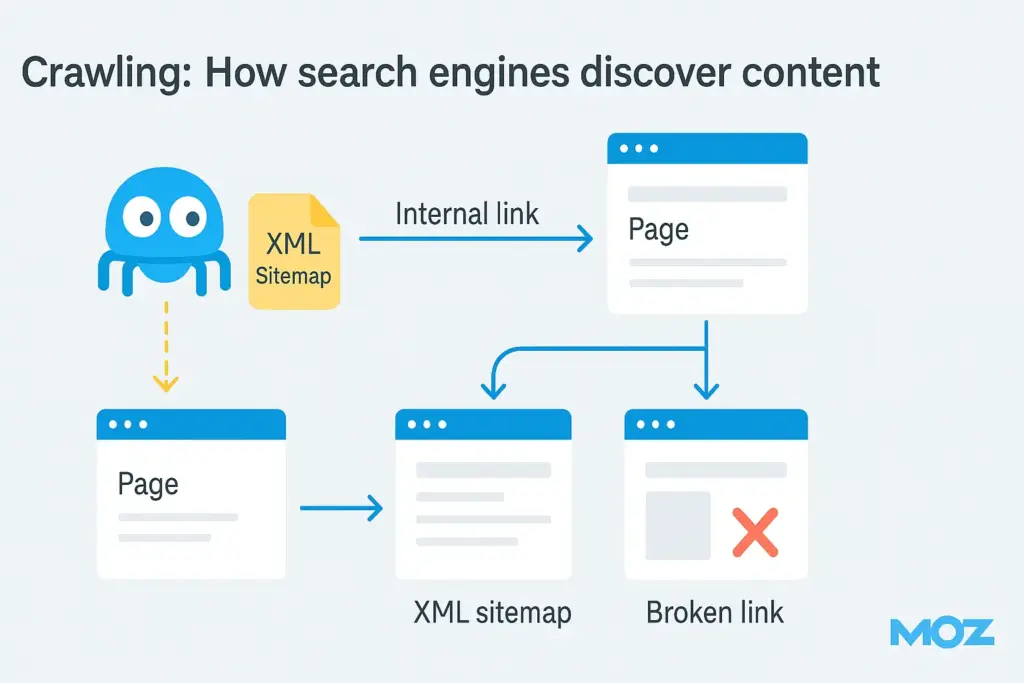
Image from Moz
For businesses and marketers, this update signals a need to rethink content strategy. It’s no longer enough to focus on keywords or short-term traffic spikes. Rather, content should focus on audience interests, maintain a clear topical focus, and provide genuine value. Adapting to these guidelines helps build trust, authority, and long-term visibility in Discover, making it an essential factor in content planning moving forward.
What Changed in Content Evaluation
Google’s latest update for Discover focuses on changes that affect content performance. These changes revolve around three key evaluation points:
1. Stronger Emphasis on Local Relevance
The Core update changes 2026 introduce a more refined focus on location. Discover now surfaces more content from websites based in a user’s country.
This shift does not restrict visibility to local sites. It emphasizes the importance of regional relevance. Content that reflects local context, 2026 trends, or perspectives tends to resonate more with users.
For global brands, this means adapting messaging across different regions. Adding relevant context improves both engagement and visibility.
2. Reduced Visibility for Clickbait Content
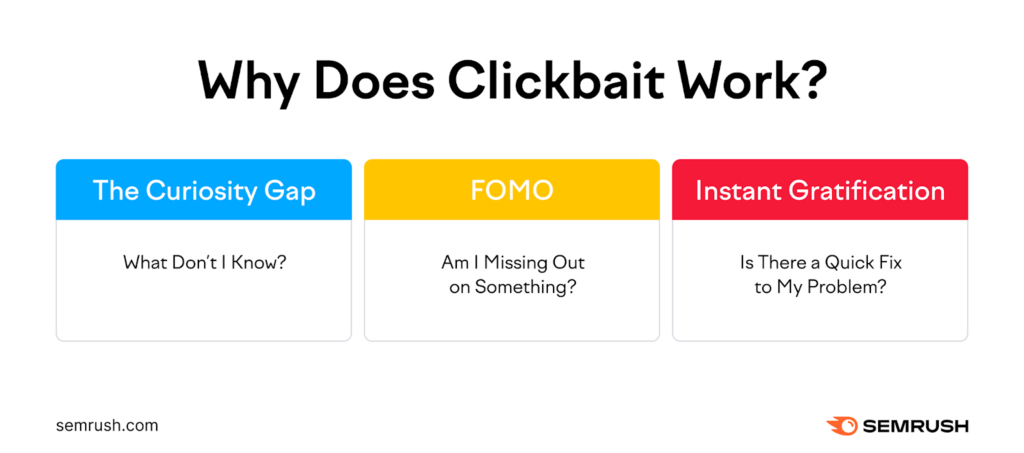
Image from Semrush
Discover has taken a firmer stance against sensational headlines. Content that relies on exaggerated claims without delivering substance tends to lose reach.
Clear and accurate titles now perform better. When content meets expectations, it builds trust and encourages deeper engagement.
Recent Google search updates follow a similar direction. Both Discover and search now reward content that prioritizes clarity over manipulation.
3. Topic-Level Expertise Takes Priority
SEO updates show a shift toward evaluating expertise at the topic level. Instead of assigning authority to an entire site, Discover now looks at how consistently a subject is covered.
A website can demonstrate expertise in multiple areas or focus deeply on one. Both approaches can perform well if supported by timely, consistent, high-quality content.
For instance, a cooking site that regularly publishes detailed guides on plant-based recipes can establish authority in that niche, even if it also shares content on general kitchen tips. In contrast, a general food blog that posts a single plant-based recipe won’t get the same recognition.
These changes encourage maintaining a focused, consistent approach to specific topics, strengthening visibility and authority in Discover.
Building a Strategy That Aligns with Google Discover
Google has always provided guidance on improving visibility in Discover, and the February 2026 core update helps make content more relevant and valuable for readers. Here’s how strategy can adapt to these changes:
Develop In-Depth Content
Google Discover favors articles that provide substantial insight rather than surface-level information. Content that thoroughly covers a topic and demonstrates expertise signals semantic depth, keeping readers engaged and showing value to the platform.
To create in-depth content:
- Incorporate case studies or real-world examples to illustrate points.
- Break down complex topics into clear, organized sections.
- Provide actionable takeaways that readers can use right away
- Present unique perspectives that set the content apart from competitors
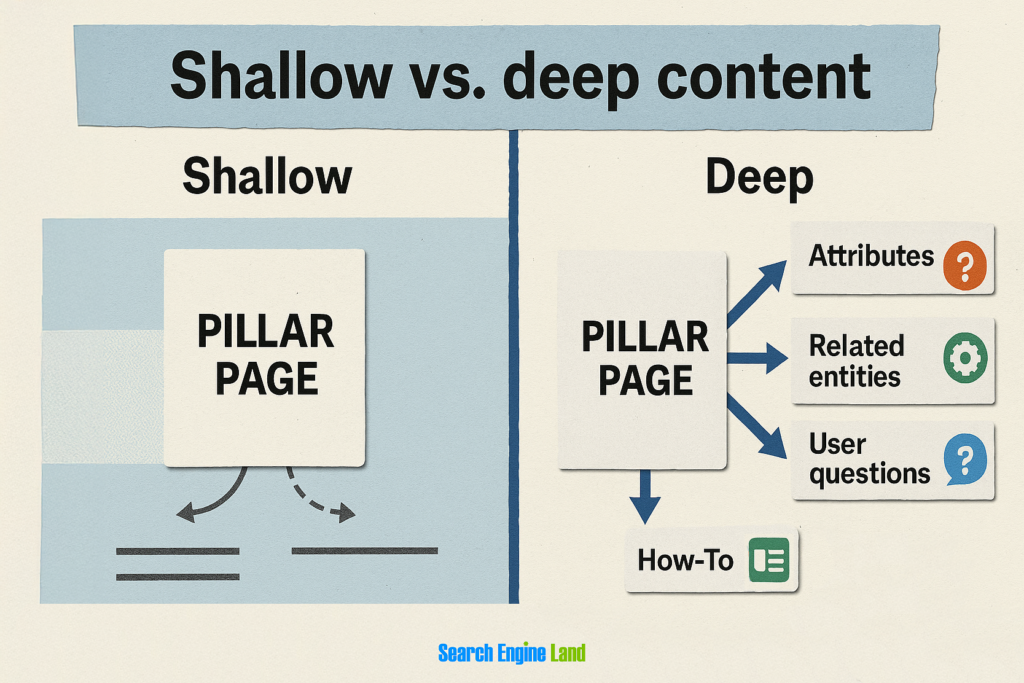
Image from Search Engine Land
Maintain Topic Consistency
Consistent focus within defined topics strengthens a site’s authority in the eyes of Google Discover. Sites that switch between unrelated subjects tend to see weaker performance and reduced visibility.
To maintain topic consistency:
- Stay focused on a niche and publish within those areas consistently.
- Avoid covering unrelated topics in the same article.
- Plan content with a structured calendar to maintain steady coverage.
- Reinforce expertise through recurring series or connected articles.
Add Context That Feels Relevant
Content performs better when it connects to the audience’s environment or interests. Local relevance has become more important, so including references that match the reader’s location or industry can improve engagement and visibility.
Ways to make content feel relevant:
- Reference local trends, examples, or case studies that readers can relate to.
- Adjust language, metrics, or visuals to reflect regional context.
- Show how concepts apply in everyday scenarios specific to the target audience.
- Link to related local content or industry-specific resources
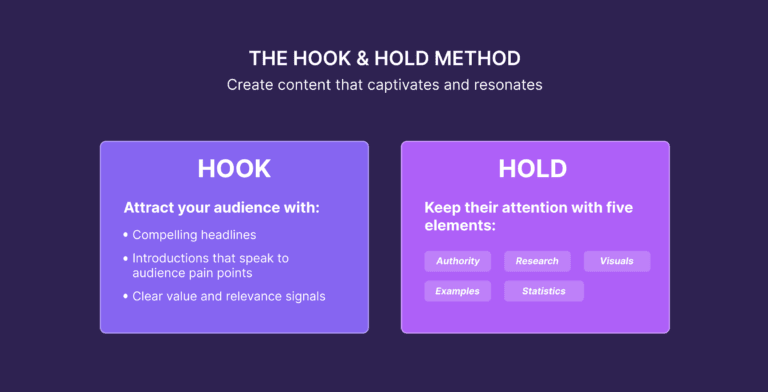
Image from Backlinko
Strengthen E-E-A-T Signals
Experience, Expertise, Authoritativeness, and Trustworthiness (E-E-A-T) guide Discover in identifying reliable content. Strong E-E-A-T signals increase credibility and improve consistent visibility in feeds.
Methods to strengthen E-E-A-T signals include:
- Highlighting author expertise with detailed bios and credentials.
- Including a comprehensive About Us page that communicates credibility.
- Linking author profiles to related content or relevant posts.
- Following consistent editorial standards across all articles.
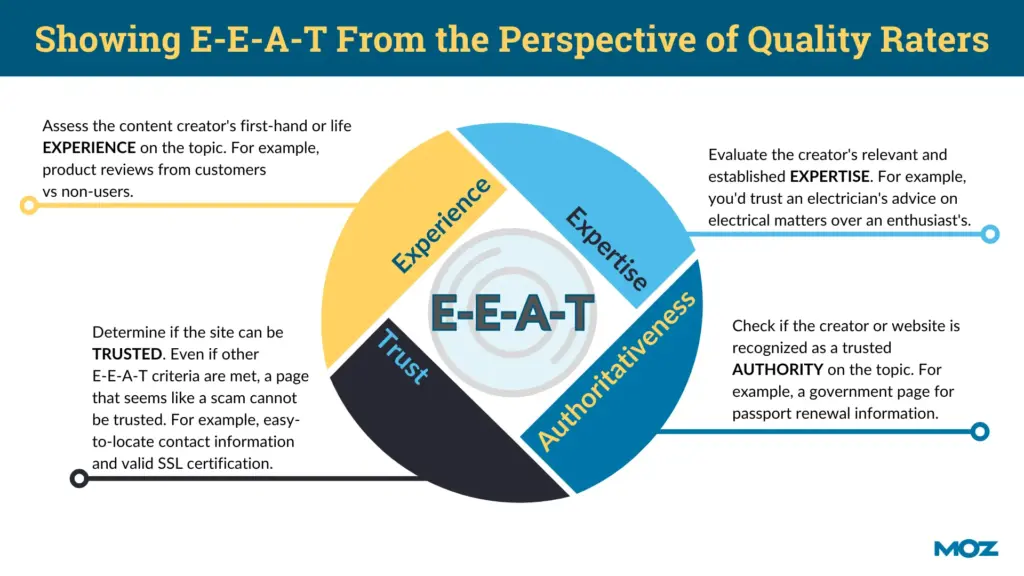
Image from Moz
Track Discover Performance Independently
Discover traffic differs from traditional search traffic, so monitoring performance separately provides more accurate insights. Observing engagement patterns allows for data-driven content refinement and optimization.
Ways to track performance:
- Measure impressions, clicks, and engagement specifically from Discover.
- Analyze scroll behavior and time on page to assess engagement.
- Compare performance across topics and content formats.
- Use insights to guide future content strategy and improve relevance.
Boost Your Discover Visibility With DMP
The February 2026 Discover Core update highlights a shift in how content is prioritized. Google now favors content that is relevant, trustworthy, and engaging, rather than relying solely on search queries. Sites that align with these expectations see stronger, more sustainable visibility.
For businesses and brands, success in Discover requires refining topics, improving content presentation, and maintaining consistency across published work. It’s not about quick fixes; it’s about understanding audience behavior and delivering content that truly resonates.
As a trusted B2B marketing agency, Digital Marketing Philippines (DMP) helps businesses turn these insights into practical strategies. By optimizing content for Discover, brands can connect with the right audience, strengthen credibility, and drive meaningful engagement.
Reach out to us today and start transforming your content into a Discover-ready strategy that delivers measurable results.
References:
https://developers.google.com/search/blog/2026/02/discover-core-update
https://developers.google.com/search/docs/appearance/google-discover#how-content-appears-in-discover
https://developers.google.com/search/docs/fundamentals/creating-helpful-content
https://searchengineland.com/google-february-2026-discover-core-update-is-now-complete-469450

Jomer B. Gregorio is a well-rounded expert when it comes digital marketing. Jomer is also known as a semantic SEO evangelist and practitioner. Check out our Digital Marketing Services today and let us help you in achieving positive and profitable results for your business.