
Publishing on LinkedIn is easy. Getting the right professionals to pause, read, and respond requires a relevant topic, a strong opening, and valuable content that gives them a reason to join the conversation.
LinkedIn now has more than 1.3 billion members, while research from the Content Marketing Institute found that 85% of surveyed B2B marketers considered it the social platform delivering the best value. With such a large professional audience and business interest, brands need to optimize LinkedIn posts for better reach and engagement rather than simply publish more often.
The Business Value of LinkedIn Engagement
LinkedIn engagement helps turn visibility into business opportunities. Buffer’s State of Social Media Engagement 2026 found that posts where the account replied to comments received around 30% higher engagement than posts without replies. This suggests that joining the discussion is associated with stronger post-performance.
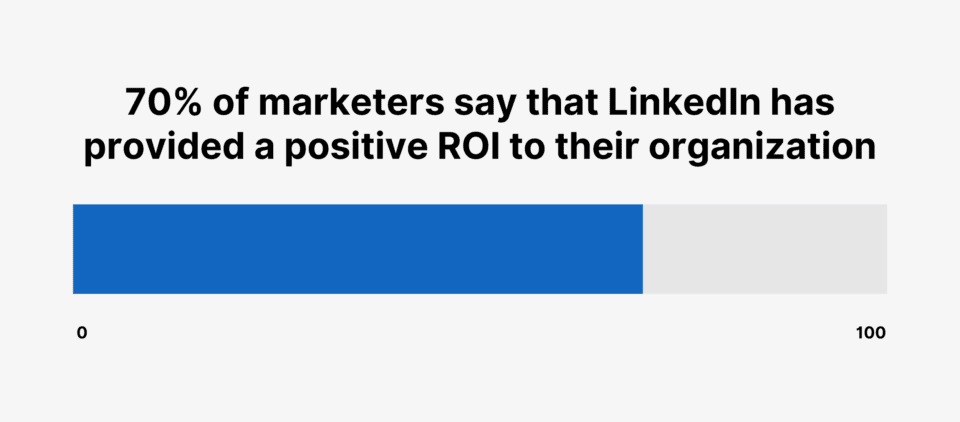
Image from Backlinko
For businesses, the benefits include:
- Wider discovery – Conversations can extend reach beyond current connections.
- Stronger credibility – Useful replies demonstrate expertise and build trust.
- Audience insight – Comments reveal questions, needs, and emerging topics.
- Better connections – Productive exchanges strengthen professional relationships.
- Smarter planning – Engagement trends help guide future content.
These benefits make engagement more valuable than reaction counts alone. Brands that optimize LinkedIn posts need practical content and engagement habits that support stronger reach and interaction.
How to Increase LinkedIn Reach
Successful LinkedIn posts do more than appear in the Feed—they give professionals a reason to stop and engage. Here are practical ways to expand LinkedIn reach and strengthen post performance:
Optimize LinkedIn Posts Around One Clear Audience
LinkedIn’s Feed does not rank posts by recency alone. In fact, relevance can also depend on a member’s activity history, the importance of their relationship with the creator, and the creator’s expertise on the topic.
With those LinkedIn relevance signals in mind, narrow each post down to three decisions:
- Audience – Choose one role, industry, or customer group.
- Topic – Focus on one problem, lesson, result, or observation.
- Outcome – Decide what readers should understand or do next.
Keeping each post focused supports LinkedIn algorithm engagement. Readers can understand the message more quickly, and the content is more likely to feel relevant to the professionals it reaches.
Win Attention in the Opening Lines
Opening lines carry most of the pressure. A broad introduction gives readers time to scroll away, while a specific opening tells them why the post deserves attention.
To optimize LinkedIn posts from the start, lead with:
- A Result – Open with a measurable change or outcome.
- A Problem – Name a challenge your audience already recognizes.
- A Contrast – Show the gap between a common habit and a better approach.
- An Observation – Point out a shift others may have missed.
To stand out, avoid filler such as “In today’s fast-paced world” or “Here are my thoughts.” A stronger opening gets to the value before LinkedIn shortens the post behind “See more.”
Make the Post Easy to Scan
Once the opening earns the pause, the structure needs to keep it. Long blocks of text can bury a useful point, especially when professionals check LinkedIn between meetings or daily tasks.
Good LinkedIn post optimization usually includes:
- Short paragraphs to keep each block focused on one idea
- Clear progression to move from the main point to supporting evidence and the takeaway
- Plain language to replace corporate filler with natural wording
- Purposeful spacing to separate ideas with clear line breaks
- Focused ending to close with a takeaway or relevant prompt
To optimize LinkedIn posts, formatting should support the message rather than decorating it. Too many emojis, hashtags, or capitalized lines can make the post harder to read.
Match the Format to the Idea
Text is not always the best way to explain a process, comparison, or result. The format should make the idea easier to understand, not simply make the post look different.
Choose the format that best supports the message. For instance, use:
- Text posts for opinions, lessons, and concise professional stories
- Images for examples, event moments, results, or simple data
- Documents for checklists, frameworks, and step-by-step content
- Videos for demonstrations, commentary, and first-hand insight
- Polls for focused audience input that can support later content
LinkedIn currently supports text, image, video, document, poll, event, and article content, giving brands several ways to match the format with the message. To optimize LinkedIn Posts, start with the message, then choose the format that communicates it most effectively. A document with no useful structure or a video with no clear point will not rescue weak content.
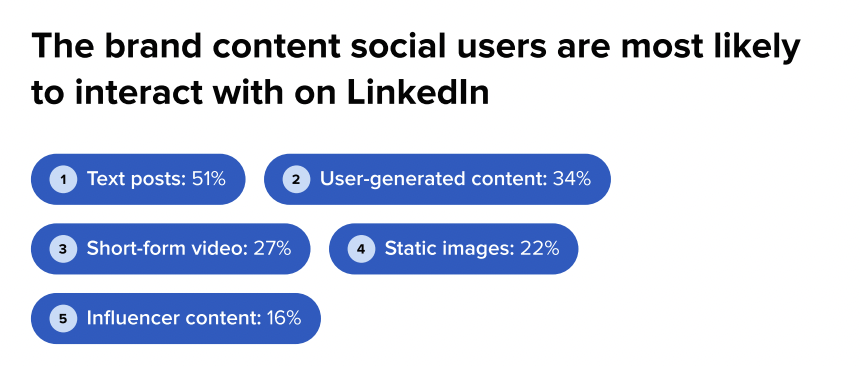
Image from Sprout Social
Turn Comments into Useful Conversation
Publishing is only the start. Comments can add questions, examples, and practical experiences that strengthen the post.
Use focused prompts to invite better responses:
- Ask how others handled a similar challenge.
- Invite examples from a specific role or industry.
- Ask readers to compare two approaches.
- Request one change they would test.
Replies should add context or continue the discussion, not repeat the same thank-you message. LinkedIn also limits inauthentic activity such as engagement pods and automated comments, making genuine exchanges more valuable than inflated reaction counts.
This aligns with UGC discoverability, where audience discussions add context and help ideas travel further. Treat the comment section as part of the content instead of a scorecard.
Build a Workflow the Team Can Maintain
A consistent schedule helps brands learn what their audience values and build recognition over time. LinkedIn reports that Pages that post weekly have over five times more followers and grow seven times faster than those that post monthly.
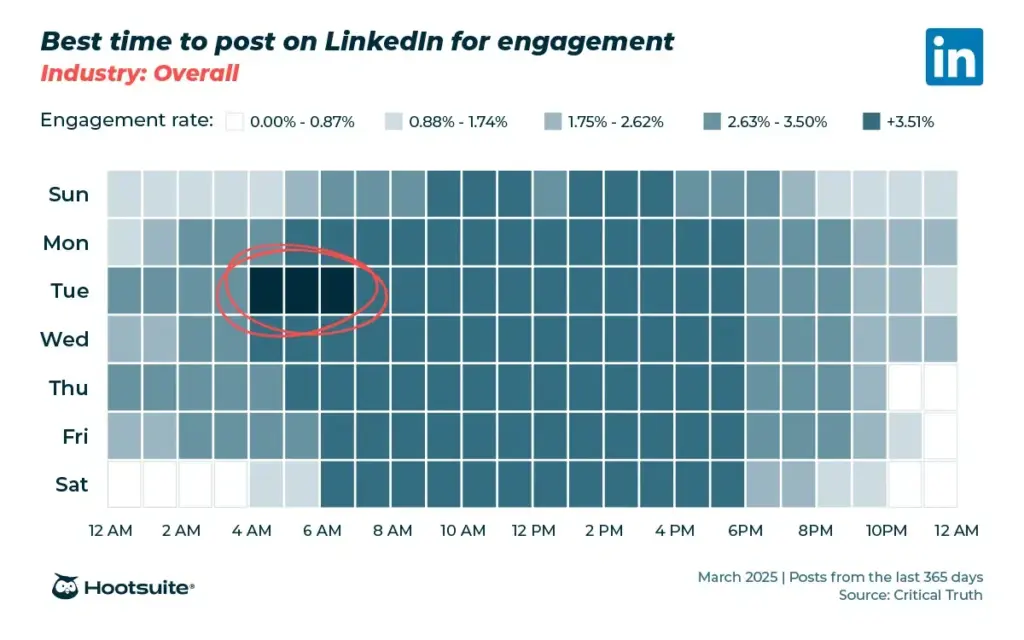
Image from Hootsuite
A practical content mix may include:
- Industry observations to highlight relevant trends or changes
- Process or campaign lessons to share useful experience and results
- Timely updates to respond to current developments
- Employee or customer stories to add credible, human perspectives
For brands managing social media marketing in the Philippines, quality should shape the posting schedule. The strongest way to optimize LinkedIn posts is to publish consistently while keeping every update relevant and useful.
Use Analytics to Improve the Next Post
Not every post will perform the same way, and analytics can help explain why. Brands that optimize LinkedIn posts, along with any marketing agency in the Philippines managing their campaigns, can use past results to identify what caught attention, reached new audiences, and encouraged stronger responses.
Look for patterns such as:
- Audience Fit – Check whether the right roles or industries are engaged.
- Discovery – See if the post reached beyond current followers.
- Deeper Interest – Review saves, sends, follows, and link visits.
- Conversation Quality – Assess whether the comments added useful insight.
- Repeatable Wins – Identify topics, formats, and styles that perform consistently.
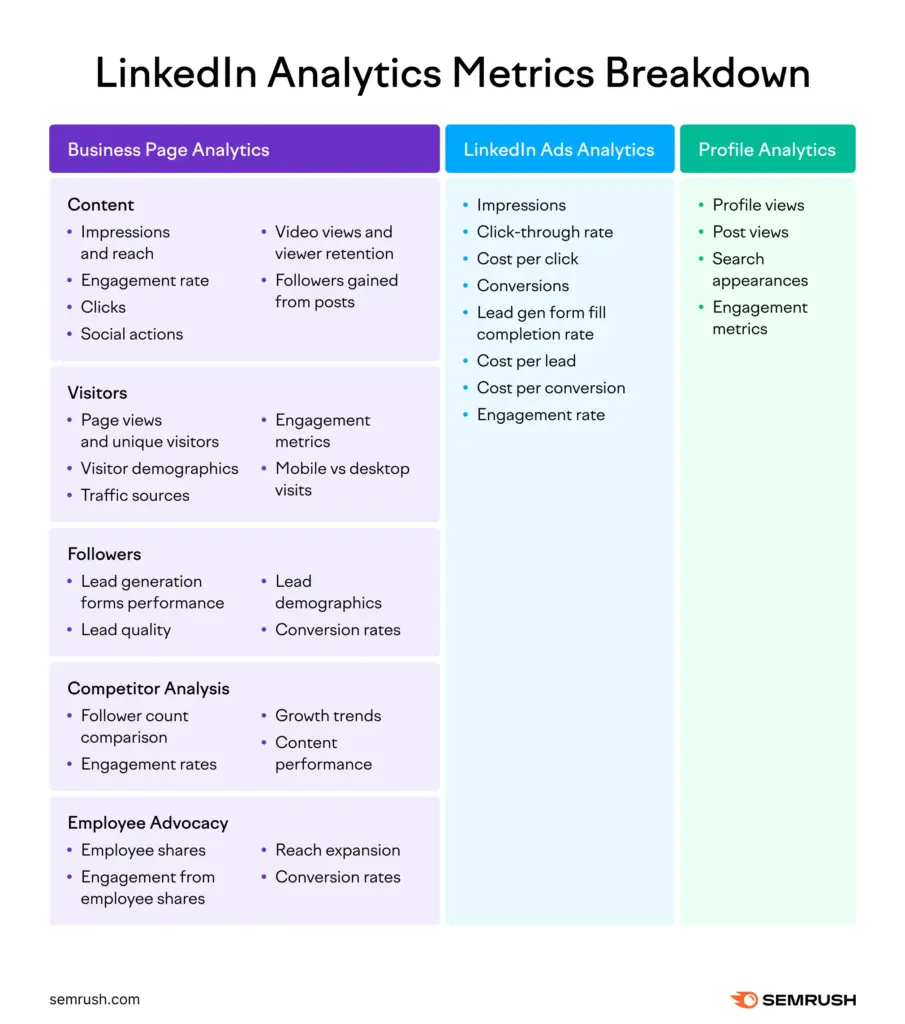
Image from Semrush
LinkedIn notes that reach and impression figures are estimates, so one weak result should not drive a major strategy change. Compare several posts, identify the stronger patterns, and adjust one element at a time.
Convert LinkedIn Visibility into Valuable Connections
More impressions do not always mean better marketing. A smaller post seen by the right buyers, partners, or job candidates can be more valuable than a broad reach with little relevance.
Effective LinkedIn marketing connects audience insights, content, and engagement with clear business goals. Businesses that take this approach are better positioned to achieve measurable results.
At Digital Marketing Philippines (DMP), we support social media strategies focused on stronger visibility, qualified reach, and campaign success. As a social media agency in Cavite, our team helps brands strengthen LinkedIn content as part of a wider digital marketing campaign.
Get in touch with us to turn more effective posts into valuable business connections.
References
https://news.linkedin.com/about-us
https://contentmarketinginstitute.com/b2b-research/b2b-content-marketing-trends-research-2025
https://buffer.com/resources/state-of-social-media-engagement-2026
https://www.businessinsider.com/linkedin-news-feed-showing-old-posts-algorithm-change-2025-7
http://news.linkedin.com/2026/authentic-content-and-conversations
https://www.axiapr.com/blog/how-to-optimize-linkedin-for-the-new-algorithm

Jomer B. Gregorio is a well-rounded expert when it comes digital marketing. Jomer is also known as a semantic SEO evangelist and practitioner. Check out our Digital Marketing Services today and let us help you in achieving positive and profitable results for your business.