
Holiday shoppers no longer rely only on short, typed searches to find gifts and compare products. They can upload an image, point a camera at an item, or describe what they need through a detailed question. As visual and conversational search become part of the shopping journey, businesses need to consider how these methods influence product discovery before shoppers reach their websites.
Businesses can respond by improving product images, structured data, descriptive content, and answers to specific buying questions. These updates can help search platforms interpret holiday pages while giving shoppers the information they need to make purchasing decisions.
Holiday Discovery Is Moving Beyond Typed Searches
Search engine results pages (SERPs) still influence product discovery, but shoppers now have more ways to express what they want. Visual tools can identify products from photos, while conversational platforms can interpret requests involving price, recipient, occasion, features, and availability.
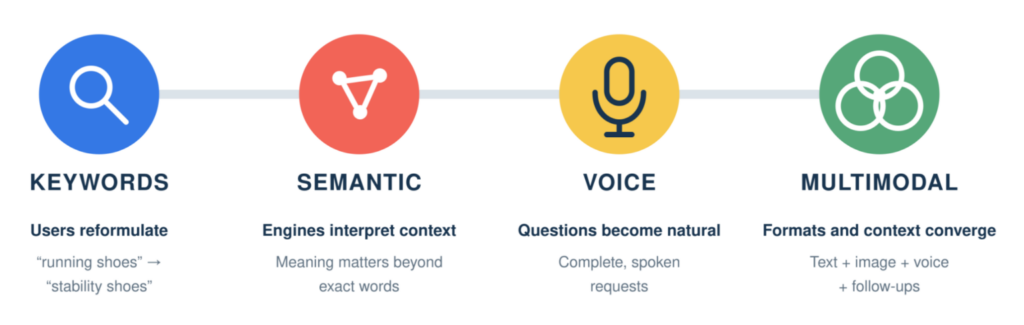
Image from Search Engine Land
Google reported in 2024 that Lens handled nearly 20 billion visual searches each month, with 20% related to shopping. These figures show why product imagery can serve as a search entry point rather than simply support a page’s appearance.
During Cyber Week 2025, Salesforce found that AI and agents influenced 20% of purchases through recommendations and conversational customer service. Together, these findings illustrate why holiday SEO should account for visual and conversational search alongside conventional rankings.
Signals Shaping New Holiday Searches
Although image-based tools and conversational assistants handle different inputs, both depend on accessible and accurate information. Retailers must provide enough detail for search systems to identify products, assess their relevance, and match them with specific shopping needs.
Product Images Become Search Entry Points
A shopper might photograph a handbag in a store and search for a similar style in another color. Another person could upload a picture of a holiday decoration to find matching items online.
Retailers can support this behavior through:
- High-resolution images with clear backgrounds
- Multiple angles and close-up details
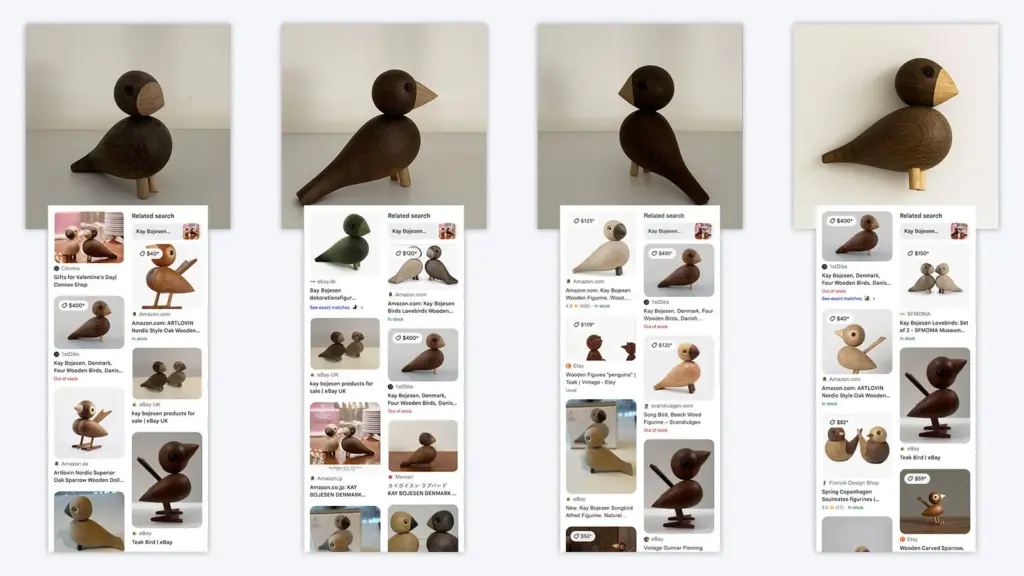
Image from Semrush
- Descriptive filenames
- Accurate alternative text
- Consistent images for colors and product variants
- Photos showing scale or practical use
Alternative text should explain an image’s purpose rather than repeat keywords. Descriptive alternative text helps search engines and assistive technologies interpret images in context, making product information more accessible.
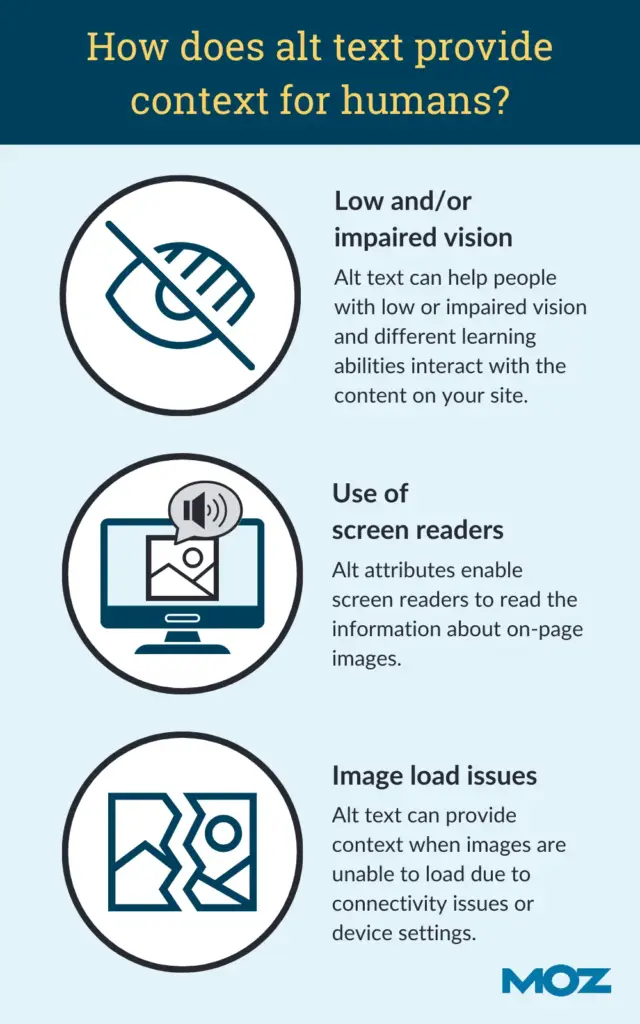
Image from Moz
Original photography can also help products stand apart from competitors using the same manufacturer-provided images. For retailers preparing seasonal campaigns, professional graphic design services can help maintain a consistent visual presentation across promotional banners, product graphics, and other marketing materials.
Conversational Queries Reveal Specific Intent
Traditional keyword research might identify “Christmas gifts for coworkers.” Conversational searches can reveal more specific shopping needs.
Pages can support these detailed searches by covering:
- Suitable recipients or occasions
- Price ranges and package inclusions
- Product dimensions and materials
- Delivery deadlines
- Return and exchange conditions
- Stock or location availability
- Comparisons with related options
Product Data Supports Accurate Matches
Images and descriptions help shoppers evaluate products, but search platforms also need accurate product information. Inconsistent prices, product identifiers, or availability details may prevent a suitable item from appearing for relevant queries.
Retailers should review product names, categories, prices, brands, variants, stock status, and shipping information. Google’s product structured data documentation explains how markup can make product details eligible for richer appearances in search results.
Structured data does not guarantee visibility. However, accurate markup can help Google interpret details such as price, availability, ratings, and product variants.
Seasonal Pages Address Shopping Situations
Holiday searches often begin with a situation rather than a specific product. Someone may need a last-minute gift, a present for a remote employee, or decorations suited to a small apartment.
Retailers can respond with:
- Recipient-based gift guides
- Budget-focused recommendations
- Product comparisons
- Delivery and pickup information
- Holiday bundles
- Seasonal FAQs
This is where visual and conversational search can work together. For example, a gift guide can recommend products based on a recipient’s interests and budget, while its images help shoppers identify the product style they prefer.
How to Optimize Holiday Content for Emerging Search Behavior
Search behavior may be evolving, but retailers still need useful pages that support purchasing decisions. Here are three ways to optimize holiday content for emerging search behavior without replacing established SEO practices:
Update Priority Product Pages
Start with products expected to receive the greatest holiday demand. Check that each page has current prices, availability, descriptions, specifications, delivery information, and accurate images.
Avoid publishing several thin pages that repeat the same recommendations. Each page should serve a clear purpose, such as comparing products or confirming delivery before a holiday deadline.
Answer Buying Questions Naturally
Conversational content should sound like helpful guidance rather than a collection of search phrases. Direct answers, clear headings, short paragraphs, and useful comparisons make information easier for shoppers to navigate and retrieval systems to interpret.
Businesses investing in online marketing in the Philippines should also consider local payment methods, delivery expectations, shopping habits, and the country’s extended holiday season.
Keep Seasonal Information Current
Outdated delivery dates, unavailable bundles, and expired promotions can create poor shopping experiences even when a page ranks well. Assign responsibility for reviewing time-sensitive information throughout the campaign.
If a product sells out, the page can direct shoppers to a close alternative instead of ending their search without another option. These updates help visual and conversational search tools retrieve information that reflects what customers can still purchase.
Build Capacity Before Peak Traffic
Improving product discoverability is only part of holiday preparation. Retailers also need to prepare website for holiday traffic that can handle increased visits and complete transactions reliably when seasonal demand peaks. These include:
Test High-Traffic Scenarios
Teams considering how to prevent website crashing in Black Friday should review traffic forecasts, caching, database performance, third-party scripts, and hosting capacity. Akamai’s analysis of holiday internet traffic also demonstrates how shopping activity can shift across peak days and devices, reinforcing the need for load testing and mobile performance checks before major sales events.
The objective is to keep the website ready for the holiday rush across browsing, cart, payment, and confirmation steps. A stable experience helps shoppers complete purchases even when traffic increases.
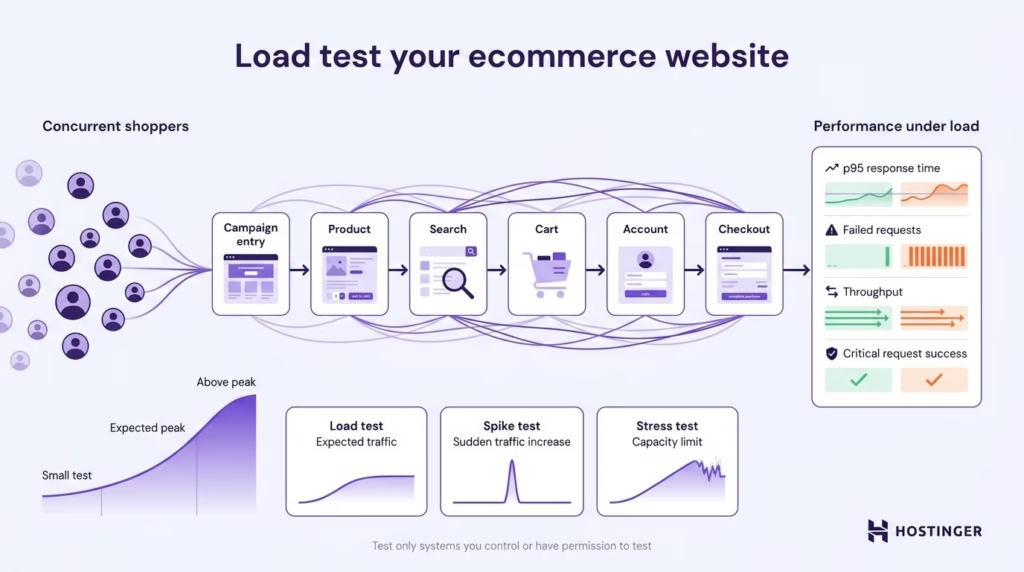
Image from Hostinger
Limit Risky Seasonal Changes
Following e-commerce code freeze best practices can reduce avoidable disruptions near major sale dates. Set a cutoff for nonessential releases, document emergency procedures, and restrict peak-season changes to tested critical fixes.
Businesses without enough internal technical capacity may work with an outsourced web developer in the Philippines to support testing, performance improvements, and maintenance before demand increases.
Start Early for the BER Season
The Philippine holiday season begins well before December. Search interest and gift research can rise throughout the “BER” months, giving businesses more time to publish, test, and refine seasonal content.
Early preparation also gives retailers time to assess emerging discovery channels and adapt their content strategy before demand peaks. Businesses can build on existing strategies for winning the BER season sale.
Adobe reported that traffic from generative AI tools to US retail websites increased 693.4% during the 2025 holiday season. This growth suggests that retailers should monitor emerging discovery channels before the next seasonal peak rather than waiting until traffic is already rising.
Prepare Your Holiday Strategy With DMP
As shoppers adopt new discovery tools, visual and conversational search are becoming increasingly relevant to the holiday customer journey. Combining useful content, strong imagery, reliable product data, and technical readiness can make seasonal offers easier to find and purchase.
Digital Marketing Philippines (DMP) supports SEO, content, graphic design, and website projects for seasonal campaigns. If you are ready to strengthen your holiday visibility and website performance, contact us to discuss your digital marketing needs.
References:
- https://blog.google/products/ads-commerce/google-lens-ai-overviews-ads-marketers/
- https://investor.salesforce.com/news/news-details/2025/Salesforce-Data-AI-and-Agents-Propel-Cyber-Week-to-Record-336-6B-in-Global-Spend/
- https://news.adobe.com/news/2026/01/adobe-holiday-shopping-season
- https://www.akamai.com/blog/edge/how-holiday-season-traditions-affect-internet-traffic-trends
- https://developer.mozilla.org/docs/Web/HTML/Guides/Responsive_images
- https://developers.google.com/search/docs/appearance/structured-data/product

Jomer B. Gregorio is a well-rounded expert when it comes digital marketing. Jomer is also known as a semantic SEO evangelist and practitioner. Check out our Digital Marketing Services today and let us help you in achieving positive and profitable results for your business.