
Search, Scroll, Ask, Buy: The New Holiday Customer Journey
For decades, online marketing in the Philippines followed a predictable, linear path to purchase: awareness, consideration, intent, and decision. During the holidays, this meant running television ads in October, sending catalogs in November, and waiting for foot traffic or desktop clicks on Black Friday.
Consumers today don’t wait for a specific day or rely on a single storefront. Instead, they operate in a continuous state of passive and active discovery across different platforms. The contemporary holiday customer journey now spans multiple channels and revolves around four distinct behaviors: search, scroll, ask, and buy.
1. Search: Intent-Driven Starting Line
While the modern holiday customer journey is no longer a straight line, it still frequently begins with a spark of intent. However, the definition of “search” has radically expanded.
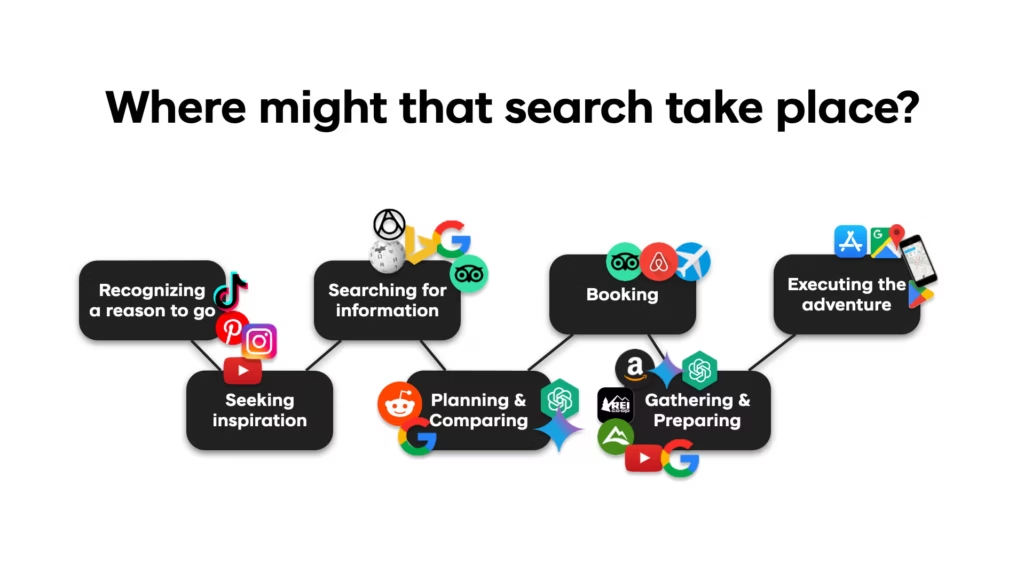
Image from AdExchanger
Customers no longer rely solely on traditional queries like “best holiday gifts for tech lovers” into Google anymore. Instead, their search behavior is fragmented across multiple specialized ecosystems:
- Retail Marketplace – Rather than open-web search engines, a significant portion of product searches start directly on major e-commerce websites, with 56% of consumers beginning their product search on Amazon.
- Visual Queries – Shoppers frequently upload screenshots or use their smartphone cameras to find exact matches or similar styles of products they encounter offline.
- “Near Me” Phrases – “Near me” local search intent spikes as shipping deadlines approach, as shoppers look for products they can pick up from nearby stores.
How Generative AI Search Transformed User Behavior
The modern shopper’s preference for instant visual results can be attributed to the rise of AI-driven search.
Holiday shoppers use complex, natural language prompts like “Find me a sustainable, water-resistant winter coat under $150 for someone who loves hiking but prefers a minimalist style.” AI-powered search engines and conversational assistants parse these hyper-specific constraints instantly, serving up tailored recommendations alongside real-time inventory data.
2. Scroll: Social Commerce Discovery Engine
While search represents active intent, scroll represents passive discovery. Globally, people spend an average of about 2 hours and 40 minutes scrolling through feeds on platforms like TikTok, Instagram, YouTube, and Facebook for inspiration and ideas. They may not be looking to buy when they open these apps, but the algorithm knows what they want before they do.
The Power of Personalized Content
The scroll phase is where brand awareness can develop into product interest, while personalized content can encourage users to consider a purchase.
Social platforms use signals such as past engagement and watch history to personalize the content users see. That can include short-form video content that showcases products in action. For example, if a user scrolls through holiday recipes, they may encounter a creator demonstrating a high-end air fryer, turning a search for inspiration into interest in a specific product. In fact, 69% of shoppers are satisfied with the personalized content they receive online.
Frictionless Social Commerce
The boundary between entertainment and e-commerce is quickly disappearing. Modern consumers can now use features like native digital storefronts and shoppable tags to discover products and view their details without ever leaving the app. This creates micro-moments of high impulse, turning passive entertainment into active revenue.
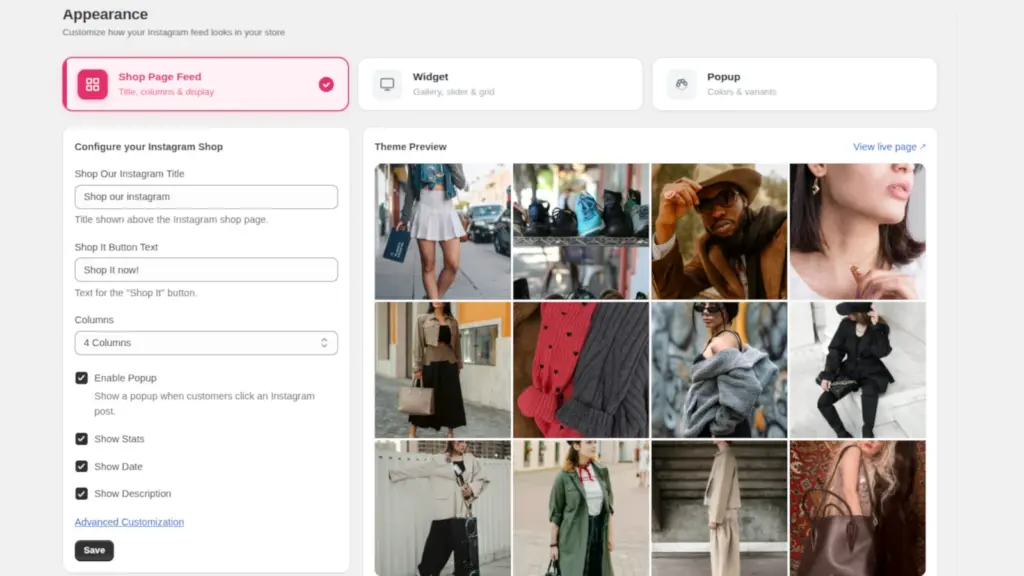
Image from Shopify
Balance the Intent Gap
Search and scroll increasingly influence each other throughout the holiday customer journey. This makes it crucial for brands to understand the interplay between AI search vs. social discovery in retail.
While AI search captures high-intent shoppers looking for specific solutions, social discovery introduces products to users who may not have been actively looking to buy. Winning the holiday season requires balancing being visible when they search and being unforgettable when they scroll.
3. Ask: Validation and AI Consultation Phase
Consumers are often bombarded with hundreds of options in the days leading up to the holidays. According to Accenture, 76% of shoppers feel overwhelmed by the number of choices available to them.
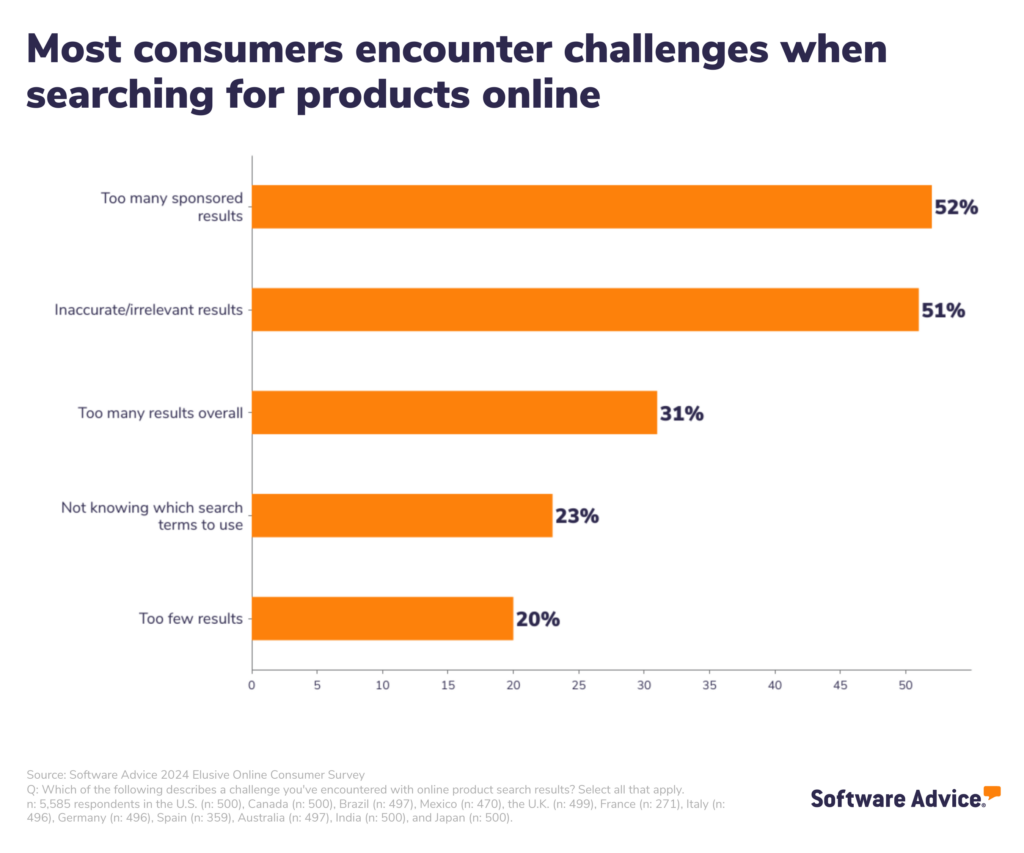
Image from Software Advice
Rising decision fatigue has amplified the ask phase, which refers to a collaborative, community-driven validation process where shoppers seek authenticity before committing their hard-earned money.
What Validation Looks Like Now
Historically, the ask phase meant reading third-party review sites or texting a friend. Those habits remain, but consumers can now also use AI assistants as personalized shopping concierges to compare products, weigh trade-offs, and narrow down their options.
- Conversational Queries – Shoppers ask AI tools complex questions such as, “What are the best durable noise-canceling headphones for a frequent traveler under $200?”
- Community Consensus – Users crowd-source opinions on forums and community platforms to hear firsthand experiences before committing to a purchase.
- Micro-Influencers – Consumers engage with trusted content creators, asking specific questions during holiday live streams or within comment sections.
- Direct Merchant Interaction – Shoppers leverage onsite chat tools to ask specific questions about shipping deadlines, return policies, and sizing fits.
4. Buy: Frictionless Conversion
Every piece of content, search optimization, and conversational interaction builds toward the actual purchase. However, the modern buy phase demands a simple, low-friction checkout experience.
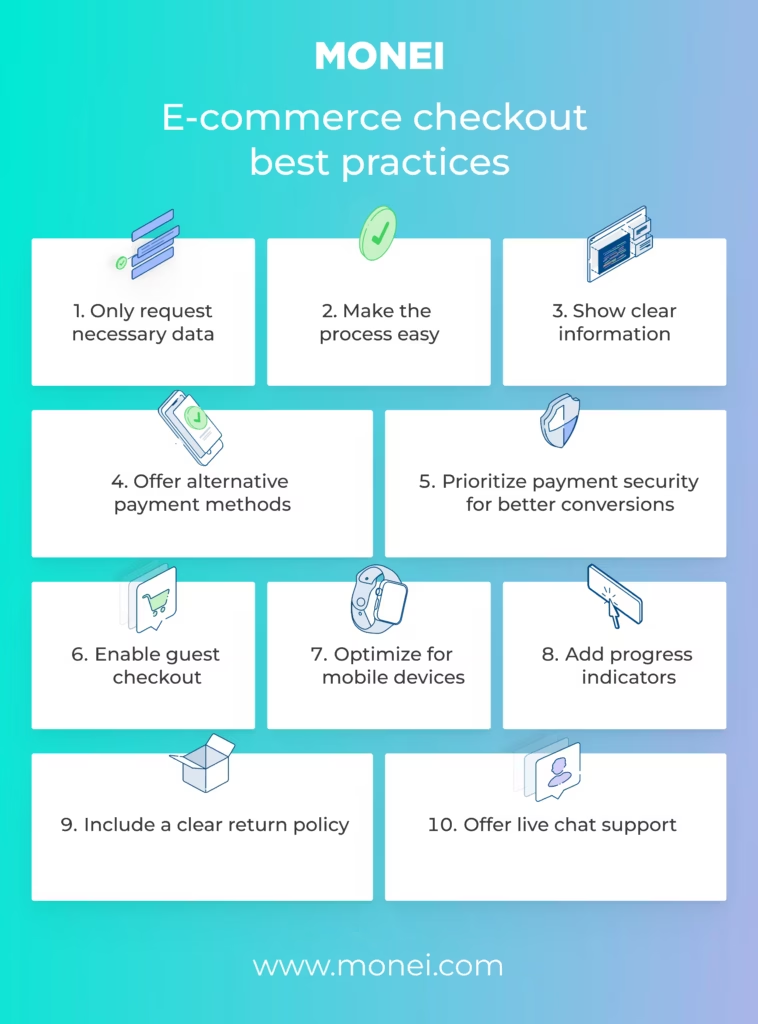
Image from Monei
By the time a holiday shopper reaches the checkout, they might be exhausted from browsing products. If they encounter unexpected costs, a mandatory lengthy registration form, a lack of preferred payment methods, or any other kind of friction, they might abandon their cart.
Elements of a Seamless Purchase
What makes the buy phase frictionless? Successful brands ensure these three aspects are present in their online checkout pages:
- Flexible Payment Options – Shoppers expect a variety of digital wallets, one-click options, and Buy Now, Pay Later (BNPL) services to manage their holiday budgets.
- Absolute Transparency – Unexpected shipping fees or vague delivery dates at checkout are the leading causes of cart abandonment.
- Cross-Channel Flexibility – Offering options like Buy Online, Pick Up In-Store (BOPIS) can be especially useful for last-minute holiday shoppers who cannot risk shipping delays.
Actionable Strategies for Brands This Holiday Season
To win across this updated ecosystem, businesses must hire an SEO expert from the Philippines and actively adapt their marketing playbooks with these essential holiday customer journey techniques:
Optimize for Semantic and AI Search
Modern search engine optimization (SEO) has since evolved from traditional keyword stuffing. Instead of focusing only on keywords, consider matching user intent by writing detailed product descriptions, frequently asked questions (FAQs), and blog content in a natural, conversational tone that answers highly specific, long-tail questions by AI search tools.
Produce Entertainment-First Content
Posting photos does not capture customer attention just as effectively as other formats. To increase engagement, consider leaning heavily into short-form video, product demonstrations, and behind-the-scenes content that feels organic to a user’s social feed.
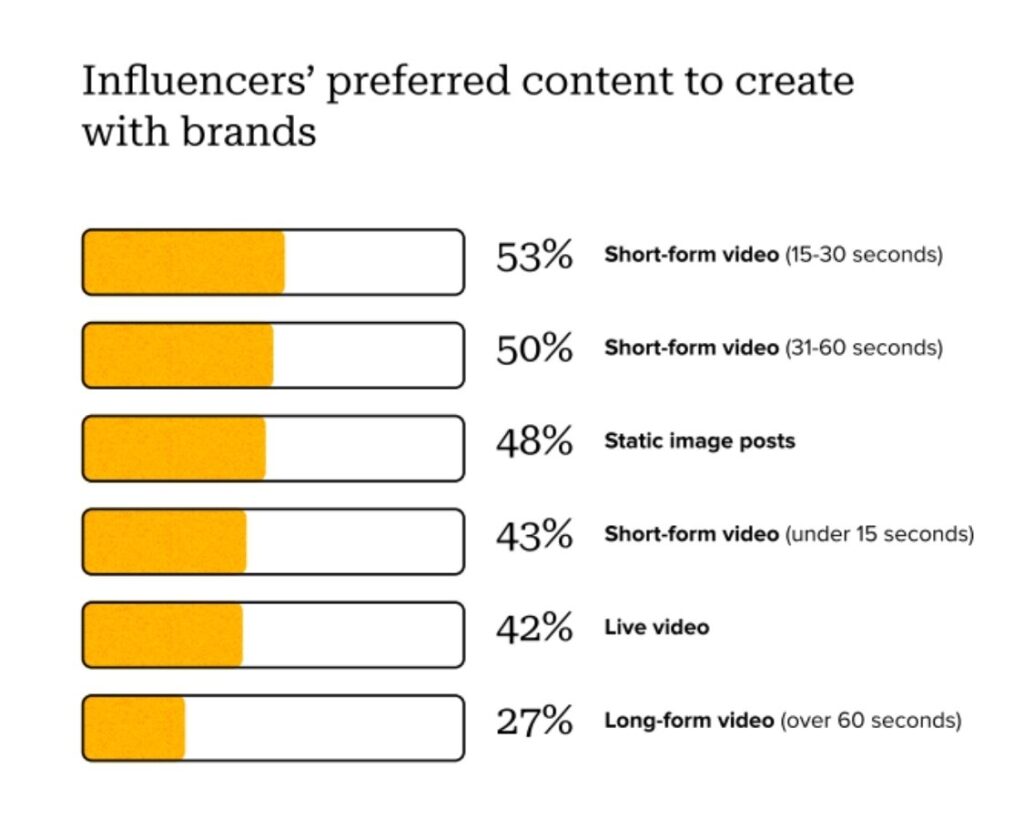
Image from Sprout Social
Foster and Highlight Community Proof
Modern consumers are increasingly skeptical of generic marketing claims. To earn their trust, brands must actively encourage user-generated content (UGC). This involves launching early holiday inspiration via discovery posts, seeding micro-influencers with early product packages, and building shoppable UGC galleries.
Additionally, consider using local SEO techniques like monitoring forums, responding transparently to negative feedback, and making honest customer reviews easily accessible on product pages.
Eliminate Checkout Bottlenecks
A streamlined mobile checkout user interface is the ultimate holiday e-commerce conversion strategy. Brands must ensure that their payment gateways support one-click options and clearly display shipping deadlines or local store pickup availability upfront.
Unwrap More Traffic This Holiday Season With DMP
The modern holiday shopper is smarter, faster, and more connected than ever before. They switch seamlessly from asking an AI assistant for advice, to scrolling a curated social feed, to validating product quality via community forums, to buying with a single thumbprint scan.
The key to festive growth is to align your digital strategy with the modern search, scroll, ask, buy framework. At Digital Marketing Philippines (DMP), we ensure that your brand meets consumers exactly where they are. Leveraging SEO, social media, and AI-powered digital marketing techniques, we can turn your brand into a holiday shopping center for eager customers.
Contact us today to start transforming chaotic holiday browsing into predictable, sustainable growth.
References:
https://www.salesforce.com/blog/how-ai-search-is-changing-holiday-seo
https://www.salesforce.com/blog/holiday-retail-predictions-2026
https://www.searchenginejournal.com/how-ai-is-reshaping-search-intent-what-2-studies-reveal/587491

Jomer B. Gregorio is a well-rounded expert when it comes digital marketing. Jomer is also known as a semantic SEO evangelist and practitioner. Check out our Digital Marketing Services today and let us help you in achieving positive and profitable results for your business.